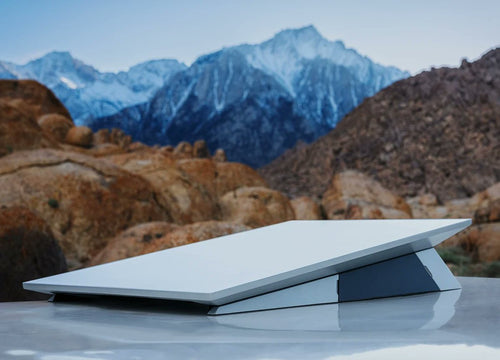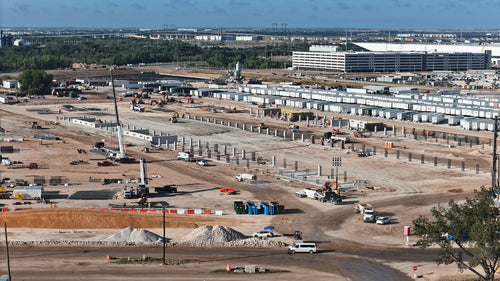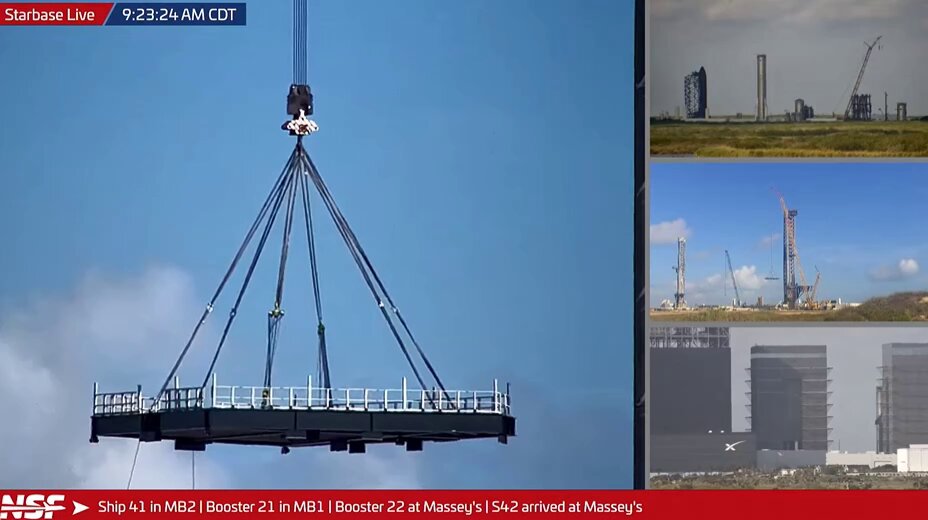
SpaceX crews at Starbase are lifting a protective roof onto the Mechazilla launch tower at Pad 1 — a structure designed to shield the tower from the raw exhaust plume of returning Starship vehicles during catch operations. NASASpaceflight captured the lift in progress on September 9, 2026, confirming the installation mirrors the configuration already in place at Pad 2.

Starbase Pad 1 Roof: 4 Details That Matter
1. The Roof Exists Because Starship's Plume Is Violent Enough to Wreck Infrastructure
When a Starship booster descends for a catch, the Raptor engines are firing close to the tower — not away from it. Without protection, that exhaust plume would subject the Mechazilla structure to sustained thermal and pressure loads it was never designed to handle repeatedly. The roof acts as a blast shield, deflecting the worst of the plume away from the tower's critical mechanical components. This is an engineering necessity, not an aesthetic upgrade.
2. Pad 2 Already Has One — Pad 1 Is Catching Up
According to NASASpaceflight, Pad 2's roof has been in place for some time, and Pad 1 is now receiving an identical configuration. That parallel design is deliberate. SpaceX's broader infrastructure strategy at Starbase is to standardize both pads so that hardware, maintenance procedures, and operational protocols are interchangeable. If one pad goes down for service, the other can absorb the cadence without a redesign of support workflows.
3. This Is Part of a Larger Pad 1 Modernization Effort
The roof installation isn't happening in isolation. According to background reporting, Pad 1 is undergoing a broader overhaul that includes dismantling outdated Mechazilla tower components and replacing them with newer, standardized hardware. The goal is to bring Pad 1 fully in line with current Starbase operational standards — the same standards Pad 2 was built to from the start. The roof is one piece of that larger rebuild.
4. Standardized Pads Are Central to SpaceX's Reliability Push
SpaceX has been explicit that increasing flight cadence requires infrastructure that doesn't become a bottleneck. Two pads running identical hardware means maintenance teams can work across both without retraining, spare parts are interchangeable, and anomalies on one pad can be diagnosed using data from the other. The Pad 1 roof installation is a small but concrete step toward a Starbase that can support the kind of rapid reuse Starship's business case depends on.
With the lift underway as of today, the completion timeline for Pad 1's full modernization remains unconfirmed — but the visual progress suggests SpaceX is moving through the checklist. For our broader SpaceX coverage, follow the tag.
🚀 Following the Starship program? See every test flight, official outcome and the next launch window in our SpaceX Starship Tracker.
Sources & reporting notes
The links below identify the material source records used for this report.
- @NASASpaceflight on X (2026-09-09T14:25:53.000Z) — Direct source
Source links are preserved as published or accessed. See our editorial standards and corrections policy.
The BASENOR Editorial Desk covers Tesla, SpaceX, and related technology, curating reporting from primary sources — official accounts, regulatory filings, and software release data. Every article passes source-record and fact-checking review before publication. About the newsroom.
This report was curated by the BASENOR Editorial Desk from the sources listed above. Read our editorial standards or email editorial@basenor.com to report an error.