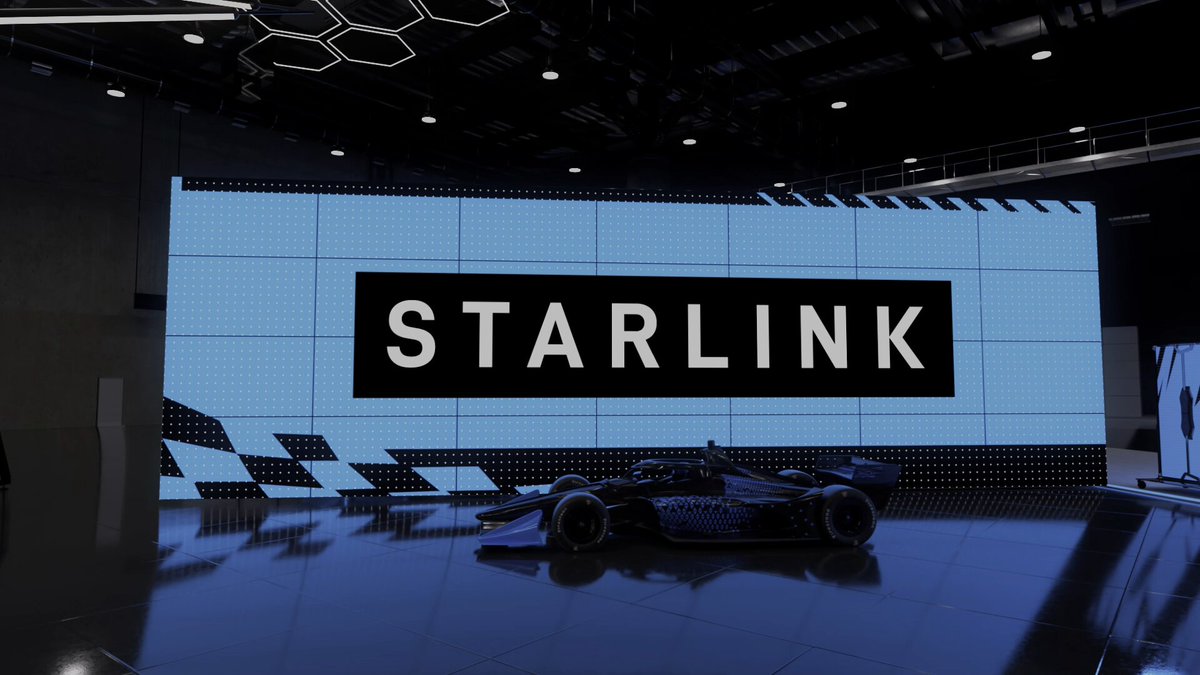
Starlink announced on August 23, 2026, that it's enabling reliable, high-speed internet connectivity at IndyCar races across the country — starting with a first-time sponsorship of the Freedom 250 Grand Prix in Washington, D.C. It's a high-profile real-world stress test for SpaceX's satellite internet service, and it tells us something meaningful about where Starlink's mobility business is headed.

1. This Is Starlink's First IndyCar Sponsorship
According to reporting from the Freedom 250 Grand Prix press conference on August 20, Bud Denker — chair of the race and president of Penske Corp. — confirmed Starlink as a new sponsor. That makes this Starlink's first official involvement with an IndyCar event. The Freedom 250 Grand Prix ran on Sunday, August 23, in Washington, D.C., with practice and qualifying held the day before. It's a meaningful step: Starlink isn't just selling internet to fans in the stands — it's attaching its brand to one of the most demanding connectivity environments in motorsport.
2. Race Venues Are a Genuine Stress Test for Satellite Internet
IndyCar venues are not forgiving environments for connectivity. Dense crowds, temporary infrastructure, and the need for real-time data across timing systems, broadcast feeds, and team communications all create serious demand spikes. Fixed terrestrial infrastructure at street circuits like Washington, D.C. is often limited or nonexistent. Starlink's low-earth-orbit constellation — which routes signals with far less latency than traditional geostationary satellites — is better positioned than legacy satellite services to handle these conditions. Pulling it off consistently across multiple race venues would be a credible proof of concept.
3. The Hardware Behind the Deployment Is Already Commercially Available
Starlink's Gen 3 Antenna, marketed for race trucks, chase trucks, and RVs, is the kind of hardware likely underpinning this deployment. According to Starlink's own product pages, the Gen 3 dish measures 23.75" x 15" and weighs just over 10 lbs including its bracket. Power draw is manageable — around 42 watts once connected. Paired with a Roam service plan, which offers speeds of up to 300+ Mbps, it's a practical solution for temporary venue setups that can be broken down and redeployed race to race. The Starlink Mini adds another portable option for smaller installations.
4. Roam Pricing Makes the Economics Work for Event Operators
Starlink's Roam — Unlimited plan runs $175 per month, with no long-term contract required. For an event operator standing up temporary connectivity at a race venue, that's a dramatically different cost structure than leasing dedicated fiber or deploying a private cellular network. The ability to activate service for a weekend, pack up the hardware, and redeploy it at the next venue on the calendar is a genuine operational advantage. It also means smaller race series and regional events — not just marquee IndyCar rounds — could realistically adopt the same approach.
5. Elon Musk Has Signaled a Much Bigger Automotive Ambition
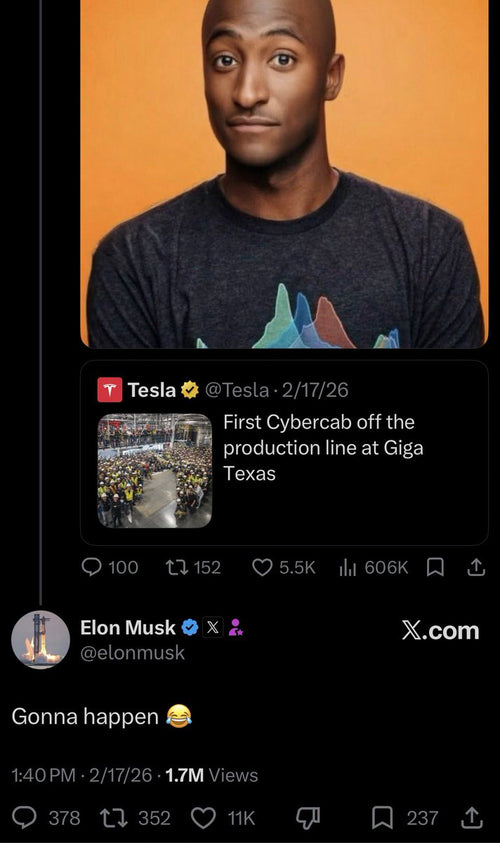
The IndyCar partnership is one data point in a broader strategic picture. Musk has stated publicly that "all cars will have Starlink in the future" to deliver "super high bandwidth to billions of vehicles." That vision encompasses consumer passenger cars, not just race trucks and event infrastructure. Tesla vehicles already support a Wi-Fi connection mode, and Starlink integration into production vehicles — whether Tesla's or others' — remains a logical extension of the mobility connectivity roadmap SpaceX is building out. The IndyCar deal adds another credible, high-visibility reference deployment to that case. For more on SpaceX's connectivity and launch progress, see our SpaceX coverage.
Sources & reporting notes
The links below identify the material source records used for this report.
- @Starlink on X (2026-08-23T18:39:51.000Z) — Direct source
Source links are preserved as published or accessed. See our editorial standards and corrections policy.
The BASENOR Editorial Desk covers Tesla, SpaceX, and related technology, curating reporting from primary sources — official accounts, regulatory filings, and software release data. Every article passes source-record and fact-checking review before publication. About the newsroom.
This report was curated by the BASENOR Editorial Desk from the sources listed above. Read our editorial standards or email editorial@basenor.com to report an error.