30-Second Brief
The News: Starlink is actively promoting its emergency connectivity capabilities, urging households and first responders to treat satellite internet as a critical preparedness tool when traditional infrastructure fails.
Why It Matters: With over 4.4 million people already connected through Starlink during emergencies — and new direct-to-device capabilities rolling out — this is no longer a niche backup plan. It's becoming the standard for disaster resilience.
Source: @Starlink on X
When the Grid Goes Down, Starlink Stays Up
Starlink's official account pushed a direct message to its growing user base this week: be prepared. The tweet isn't just marketing — it's a reminder that satellite internet has quietly become one of the most reliable emergency communication tools available to everyday households and professional first responders alike.

The timing matters. Just days before this post, SpaceX unveiled Starlink Mobile at MWC26 in Barcelona — a rebranded and significantly upgraded direct-to-device (D2D) service built specifically to fill connectivity gaps when terrestrial networks collapse. This isn't a future promise. The infrastructure is being deployed right now.
📊 What's Actually Changed
| Capability | Before | Now |
|---|---|---|
| D2D Service | Gen 1 satellites, limited throughput | Starlink Mobile (V2 satellites), up to 150 Mb/s |
| Link Performance | Gen 1 baseline | 20× improvement over Gen 1 |
| Emergency Alerts | Not supported via satellite | WEA, CMAS, ETWS via MediaTek partnership |
| DTC Satellites Deployed | Limited constellation | 650+ since January 2024 |
| Active Customers | ~4M (2025) | 10M+ as of February 2026 |
The Numbers That Tell the Real Story
📊 Starlink Emergency Connectivity — Key Figures
| Metric | Figure | Context |
|---|---|---|
| Emergency connections (US, Canada, Japan) | 4.4M+ | WEA-enabled regions |
| Alerts delivered — LA wildfires (Jan 2025) | 150+ | Via satellite when cell towers failed |
| Starlink Mobile max speed | 150 Mb/s | 20× Gen 1 performance |
| DTC satellites deployed | 650+ | Since January 2024 |
| Total active customers | 10M+ | As of February 2026 |
| Projected DTC users by end of 2026 | 25M+ | Company projection |
During the January 2025 Los Angeles wildfires, traditional cell infrastructure was overwhelmed or destroyed in affected zones. Starlink delivered over 150 emergency alerts to users via satellite — alerts that would otherwise never have arrived. That's not a hypothetical benefit. That's documented, real-world performance when it counted most.
What Starlink Mobile Adds for Emergency Use
The newly launched Starlink Mobile service — announced at MWC26 on March 4, 2026 — is the most significant upgrade to Starlink's emergency capabilities yet. Powered by second-generation V2 satellites, it delivers speeds up to 150 Mb/s with 20× the link performance of the original constellation.
Critically, Starlink now supports government-grade emergency alert systems through a partnership with MediaTek, announced March 3, 2026. This includes:
- WEA — Wireless Emergency Alerts (the alerts your phone receives for severe weather, AMBER alerts, etc.)
- CMAS — Commercial Mobile Alert System
- ETWS — Earthquake and Tsunami Warning System
These alerts now work via satellite on compatible devices — meaning even if every cell tower in your area is offline, your phone can still receive life-saving warnings.
🚦 Owner's Action Plan
Verdict: RECOMMENDED — Especially for owners in wildfire, hurricane, or severe weather zones
Step 1 — Assess your current backup connectivity. If a major storm or wildfire knocked out your local cell towers tomorrow, how would you communicate? If the answer is "I'm not sure," read on.
Step 2 — Check if Starlink residential service covers your area. Visit starlink.com and enter your address. Coverage has expanded significantly — even rural and suburban areas that were waitlisted in 2023 are now serviceable.
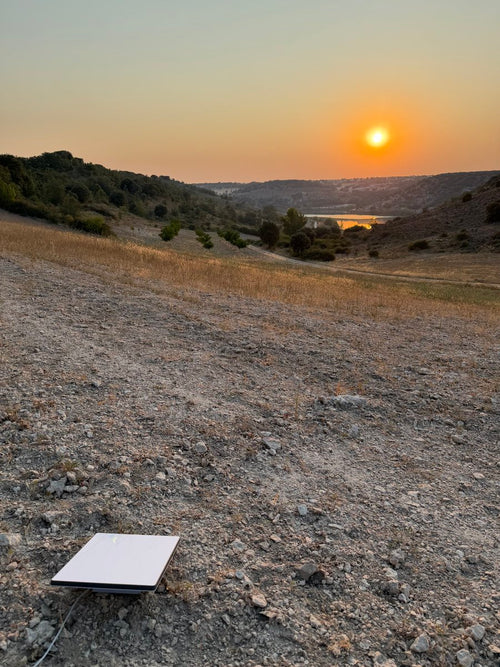
Step 3 — Consider a Starlink kit as a household emergency tool. Starlink's approach to disaster response includes proactive service credits for customers in affected areas and hardware donations to vetted emergency response organizations. Having the hardware already installed means zero setup time when a crisis hits.
Step 4 — Verify your device is MediaTek-compatible for emergency alerts. The WEA/CMAS/ETWS satellite alert system requires compatible chipsets. Check your device manufacturer's support page for Starlink Mobile compatibility — this is rolling out now.
Step 5 — If you're a Tesla owner, remember your car is a power source. Starlink's portable hardware can run off your Tesla's power export capabilities (available on Cybertruck and, with appropriate adapters, other models). Your vehicle becomes a mobile command center during extended outages.
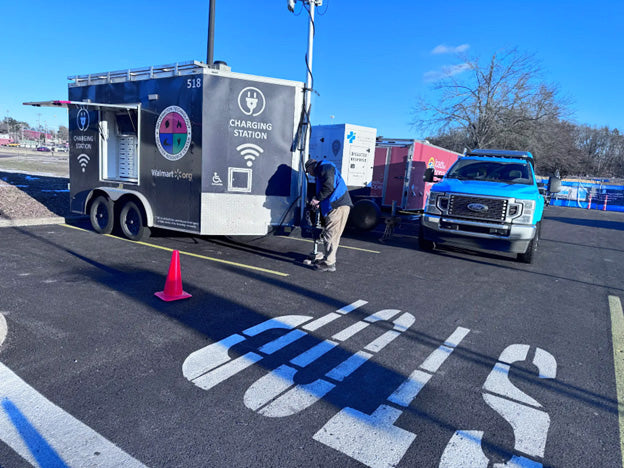
Step 6 — First responders and community organizations: Starlink actively donates hardware to vetted emergency response groups. If your organization qualifies, contact Starlink directly through their emergency response program.
📰 Deep Dive
What's notable about Starlink's messaging this week is the shift from capability-marketing to preparedness-urgency. This isn't "here's a cool feature" — it's "you should have this before you need it." That's a meaningful change in how the company is positioning satellite internet, and it reflects the real-world validation the network has earned through actual disaster deployments.
The MediaTek partnership is particularly significant because it integrates Starlink into the existing emergency alert infrastructure that governments and agencies already rely on. Rather than building a parallel system, Starlink is becoming a resilient backbone for the systems that already exist — WEA, CMAS, ETWS. When the terrestrial network fails, the satellite layer takes over seamlessly. For the 4.4 million people who've already experienced this during actual emergencies, it's not theoretical.
The projection of 25 million direct-to-cell users by end of 2026 is ambitious but grounded in the deployment pace. With 650+ DTC satellites already in orbit and V2 performance delivering 20× the throughput of the original constellation, the infrastructure is ahead of the adoption curve. The bottleneck is now awareness — which is exactly what this week's messaging push is designed to address.
For Tesla owners specifically, the convergence of vehicle-as-power-source and satellite connectivity represents a genuinely compelling emergency preparedness stack. A fully charged Tesla paired with a Starlink kit provides days of communication capability independent of any local infrastructure. That's not a marketing pitch — it's a practical reality that more owners should be planning around before they find themselves in the middle of a disaster without either. For more on the broader SpaceX connectivity ecosystem, see our SpaceX coverage.
Related Gear
Gear up your Tesla with tested, custom-fit BASENOR accessories — shop Tesla accessories →
Sources & reporting notes
The links below identify the material source records used for this report.
- @Starlink on X (2026-03-06T00:08:27.000Z) — Direct source
Source links are preserved as published or accessed. See our editorial standards and corrections policy.
The BASENOR Editorial Desk covers Tesla, SpaceX, and related technology, curating reporting from primary sources — official accounts, regulatory filings, and software release data. Every article passes source-record and fact-checking review before publication. About the newsroom.
This report was curated by the BASENOR Editorial Desk from the sources listed above. Read our editorial standards or email editorial@basenor.com to report an error.