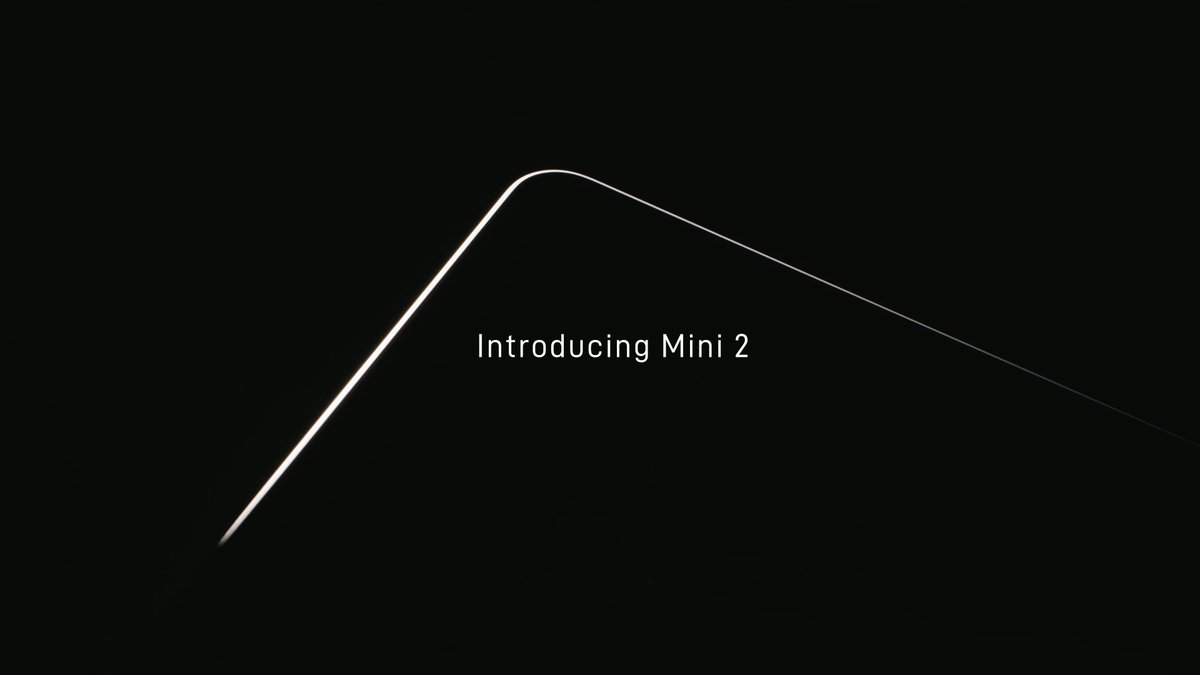
SpaceX has officially unveiled the Starlink Mini 2, a next-generation portable terminal that adds a quick-swap battery, USB-C charging, and integrated Wi-Fi to the smallest dish in the Starlink lineup. The company opened preorders Monday at $999, a price that bundles one year of internet service — valued by SpaceX at $2,100 — into the hardware purchase.
For Tesla owners who have come to rely on the original Mini for road trips, remote charging stops, and off-grid camping, the Mini 2 closes the single biggest gap in the product: power. The new unit can run for up to 4.5 hours without being plugged into anything, which effectively turns Starlink into a backpack-ready connectivity device for the first time.

What's New in the Mini 2
The headline change is the built-in quick-swap battery. Where the original Starlink Mini required a wall outlet, a power bank, or a vehicle 12V tap, the Mini 2 ships with its own internal cell that delivers up to 4.5 hours of connectivity on a single charge. When the battery runs low, owners can either hot-swap in a fresh pack or keep the dish online via USB-C Power Delivery.
The device also keeps the Mini's signature form factor — roughly the size of a laptop — while coming in at 3.53 lbs (1.6 kg) including the battery, according to specs shared by Sawyer Merritt. Integrated Wi-Fi is still part of the package, meaning the only setup requirement remains a clear view of the sky. SpaceX claims a 60-second cold-start-to-online time.

Key Figures
| Spec | Mini 2 |
|---|---|
| Preorder price | $999 (includes 1 year of service) |
| Service value included | $2,100 |
| Battery runtime | Up to 4.5 hours per charge |
| Weight (with battery) | 3.53 lbs / 1.6 kg |
| Charging | USB-C Power Delivery |
| Wi-Fi | Integrated |
| Setup time | ~60 seconds (per Starlink) |
The Price Story
At face value, $999 is a steep jump from the original Mini's hardware-only pricing. But the bundled service year changes the math considerably. SpaceX is effectively selling the Mini 2 at the price of 12 months of Roam service and throwing in the hardware — or selling the hardware at a premium and discounting the service, depending on how you want to read it. Either way, owners who planned to run Starlink year-round are paying for a subscription they would have purchased anyway.
The invite-based rollout confirms early signals. Content creator Dirty Tesla posted screenshots of an order invitation shortly after the announcement, noting the $999 price and the included year of service. That matches the pattern SpaceX has used for previous hardware launches: capacity-controlled preorders before a wider retail release.

How We Got Here
The Mini 2 did not arrive out of nowhere. According to dishytech.com and other outlets tracking Starlink's firmware and API changes, references to a second-generation Mini with a four-cell lithium battery and USB-C Power Delivery input (11–24V) surfaced in July 2026. Beta kit pricing and a separate beta battery accessory were spotted in Starlink's website API, though those figures were tied to a beta program and did not represent final retail pricing.
In June 2026, Elon Musk also previewed two slimmer Starlink terminals on stage, one of which was widely believed to be the Mini 2. Today's launch confirms both the hardware direction and the long-rumored integrated battery — though the final $999 bundle pricing is higher than the beta-stage figures that leaked earlier this year, reflecting the included service.
One caveat worth flagging: firmware analysis from dishytech.com suggested the Mini 2's transmit duty cycle could be meaningfully lower than the original Mini's, which may translate to slower upload speeds in real-world use. SpaceX has not published upload/download benchmarks for the Mini 2, and independent testing will be the first real look at whether that tradeoff shows up in practice.
Why Tesla Owners Should Care
The original Starlink Mini quickly became an unofficial accessory for Tesla road-trippers — especially those who camp in their vehicles, work remotely from Supercharger stops, or spend time in areas where LTE coverage drops off. The two persistent pain points have always been: you need to run the car's accessory power or an external battery, and setup still involved cables.
The Mini 2 eliminates both. A 4.5-hour internal battery means you can throw the dish on the roof of a Model Y at a trailhead, work for a full afternoon, and not drain the main pack running Camp Mode just to keep connectivity alive. USB-C Power Delivery also means the same chargers owners already carry for laptops and phones can keep the Mini 2 topped up indefinitely.
For Cybertruck owners in particular — a cohort heavily overlapping with overlanding and remote-use cases — a self-powered Starlink terminal addresses a frequently requested capability without any aftermarket wiring.
What to Watch Next
A few open questions remain. SpaceX has not published Mini 2 throughput specs, so the firmware-level hints about reduced transmit duty cycle will need to be validated against real performance tests. The company also has not confirmed when preorders will convert into wider retail availability, or whether the $999 service-inclusive bundle will become the standard retail price or shift once the invite phase closes. Finally, pricing and availability outside the US have not been disclosed.
For now, the Mini 2 lands as the most practical portable satellite internet terminal SpaceX has shipped — and the first one designed, from the ground up, to run without being tethered to anything but the sky.
Related Gear
Gear up your Tesla with tested, custom-fit BASENOR accessories — shop Tesla accessories →
Sources & reporting notes
The links below identify the material source records used for this report.
- @Starlink on X (2026-11-10T17:28:05.000Z) — Direct source
- @SawyerMerritt on X (2026-11-10T17:34:45.000Z) — Direct source
- @DirtyTesLa on X (2026-11-10T17:37:01.000Z) — Direct source
- @DirtyTesLa on X (2026-11-10T17:39:30.000Z) — Direct source
- @SawyerMerritt on X (2026-11-10T17:40:49.000Z) — Direct source
Source links are preserved as published or accessed. See our editorial standards and corrections policy.
The BASENOR Editorial Desk covers Tesla, SpaceX, and related technology, curating reporting from primary sources — official accounts, regulatory filings, and software release data. Every article passes source-record and fact-checking review before publication. About the newsroom.
This report was curated by the BASENOR Editorial Desk from the sources listed above. Read our editorial standards or email editorial@basenor.com to report an error.