Starlink's satellite internet service went live on Lufthansa aircraft on August 19, 2026 — the first step in a rollout that will eventually cover roughly 850 planes across the entire Lufthansa Group. If you fly Lufthansa or any of its partner airlines, here's everything you need to know before you board.

What exactly launched today?
Starlink's high-speed satellite internet became operational on Lufthansa-operated aircraft starting August 19, 2026. The first equipped plane is an Airbus A320neo (registration D-AINM). Lufthansa is branding the service "Lufthansa Group Wi-Fi," though the underlying technology is SpaceX's Starlink constellation. This is a phased rollout — not every Lufthansa aircraft has the hardware yet, so availability will vary by flight.
How fast is it, really?
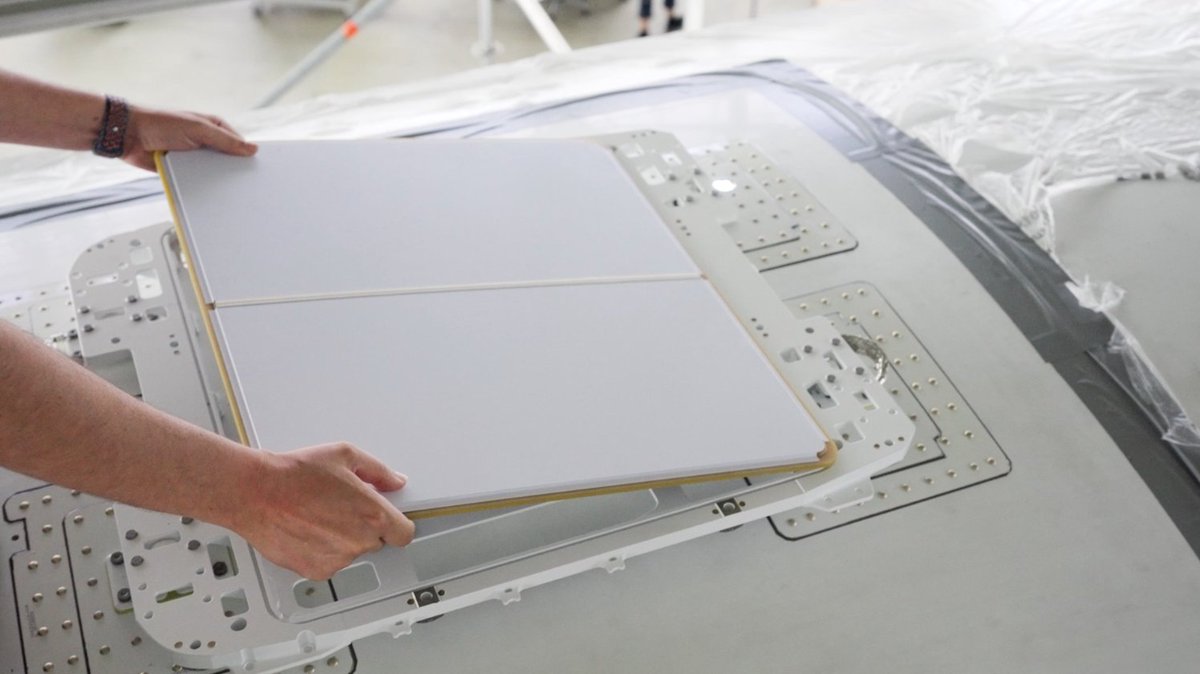
Fast enough to matter. Starlink's Aero Terminal — the antenna hardware installed on the aircraft — supports up to 1 Gbps of data throughput per antenna. According to Lufthansa Group, the service is capable of streaming video, cloud-based work, gaming, and general browsing at speeds that can exceed typical home or office internet. The key differentiator over legacy in-flight Wi-Fi is low latency, which makes video calls and real-time applications actually usable rather than frustrating.
Does it cost anything?
For most Lufthansa frequent flyers, no. The service is provided free of charge to all Miles & More members and Lufthansa Travel ID holders, regardless of travel class — economy included. Passengers who don't already have one of those accounts can sign up for a free Travel ID onboard to access the service. There's no indication of a paid tier for non-members at this stage, though Lufthansa hasn't ruled out future pricing tiers as the rollout matures.
Which airlines in the Lufthansa Group will get it?
The full rollout covers the entire Lufthansa Group portfolio. According to the company, Starlink will be installed across Lufthansa, SWISS, Austrian Airlines, Brussels Airlines, ITA Airways, Edelweiss, Discover Airlines, Air Dolomiti, Lufthansa City Airlines, and Eurowings. The target is approximately 850 aircraft equipped by 2029. The phased installation began in the second half of 2026, so expect gradual expansion rather than an overnight fleet-wide switch.
Are there any restrictions on how you can use it?
A few. Lufthansa requires passengers to use headphones for any audio or video content. Voice calls, video calls, and live streaming are not permitted onboard. These are standard cabin etiquette rules rather than technical limitations — the bandwidth could support them, but the airline has chosen to keep the cabin environment manageable. Everything else — streaming, browsing, working in the cloud, gaming — is fair game.
How do I know if my specific flight has Starlink?
That's the practical catch right now. Since the rollout is aircraft-by-aircraft rather than fleet-wide, not every Lufthansa flight will have Starlink connectivity today. The safest approach is to check your specific flight's aircraft type and registration closer to departure — Lufthansa's app and some third-party flight trackers show this information. As more planes are retrofitted through 2027 and 2028, the guesswork will diminish. By 2029, the expectation is near-universal coverage across the Group's fleet.

For Starlink, Lufthansa represents one of the highest-profile aviation partnerships to date — a major international carrier with a multi-airline group behind it. The 850-aircraft commitment is a meaningful contract, and the free-to-frequent-flyers pricing model removes the friction that has historically kept passengers from actually using in-flight Wi-Fi. Whether the service lives up to the low-latency promise at 35,000 feet across a full cabin load will become clear as more routes come online through the rest of 2026.
Sources & reporting notes
The links below identify the material source records used for this report.
- @Starlink on X (2026-08-19T13:27:37.000Z) — Direct source
Source links are preserved as published or accessed. See our editorial standards and corrections policy.
The BASENOR Editorial Desk covers Tesla, SpaceX, and related technology, curating reporting from primary sources — official accounts, regulatory filings, and software release data. Every article passes source-record and fact-checking review before publication. About the newsroom.
This report was curated by the BASENOR Editorial Desk from the sources listed above. Read our editorial standards or email editorial@basenor.com to report an error.