30-Second Brief
The News: Tesla's Austin Robotaxi fleet now includes 10 unsupervised Model Y vehicles — the highest confirmed count yet for the driverless service.
Why It Matters: Each incremental increase in the unsupervised fleet signals that Tesla's confidence in FSD reliability is growing, moving the program closer to a meaningful public rollout across seven additional U.S. cities.
Source: @TeslaNewswire on X
Tesla's Austin Robotaxi Fleet Reaches 10 Unsupervised Model Y Vehicles
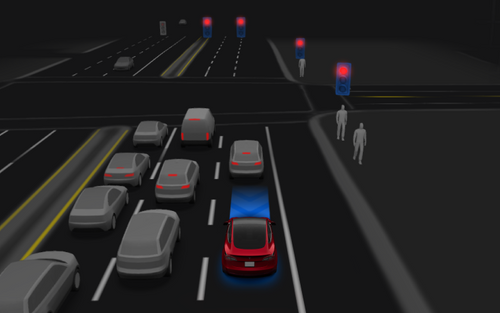
Tesla's driverless Robotaxi program in Austin, Texas has quietly crossed a new threshold: the fleet now includes 10 unsupervised Model Y vehicles operating without a human safety monitor inside the cabin. It's a modest number on paper, but it represents the highest confirmed unsupervised count for the program — and a meaningful step in Tesla's methodical ramp toward a true autonomous ride-hailing service.

📊 Where the Austin Fleet Stands Right Now
Context matters here. The Austin Robotaxi program has been running since June 2025 — initially with human safety monitors on board. Tesla transitioned to fully unsupervised public rides in January 2026, but the unsupervised count has been volatile. Tracking data from late March 2026 showed the number fluctuating between 4 and 9 vehicles at any given time, with one report from March 13 suggesting the count had dipped to as few as four active unsupervised units.
The confirmation of 10 unsupervised vehicles is therefore notable — it suggests Tesla has stabilized and grown that number rather than retreating. The total Austin fleet is estimated at roughly 37–44 vehicles, meaning unsupervised units now represent approximately 23–27% of all active cars in the market.
Austin Robotaxi Fleet Snapshot — April 2026
| Metric | Value | Context |
|---|---|---|
| Unsupervised Model Y units | 10 | Highest confirmed count |
| Total Austin fleet (est.) | 37–44 | As of late March 2026 |
| Service area | ~245 sq mi | Up from 20 sq mi at launch |
| Paid miles logged (cumulative) | ~700,000 | Since June 2025 launch |
| Unsupervised ops began | January 2026 | Following monitored pilot |
What 'Unsupervised' Actually Means
Tesla's terminology is precise here and worth understanding. An unsupervised Robotaxi has no human safety monitor seated inside the vehicle. However, the car is not operating in a complete vacuum — Tesla's remote assistance operators can monitor rides and temporarily take control of the vehicle if the automated system encounters a situation it cannot resolve independently. Think of it as unsupervised in the cabin, but not unmonitored by the company.
This distinction matters for riders: you're genuinely alone in the car, but Tesla has a safety net in place at the infrastructure level.
🚦 Owner's Action Plan
Verdict: Informational — No immediate action required for most Tesla owners. But if you're in Austin or planning to be, here's what to know.
- Check your Tesla app for Robotaxi availability. The service is invite-based and has limited availability (reported at roughly 19% of operating hours as of February 2026). If you're in Austin and haven't received an invite, keep an eye on your app notifications.
- Understand the service area. The Austin Robotaxi geofence has expanded significantly — from 20 square miles at launch to approximately 245 square miles as of March 31, 2026. If earlier attempts to request a ride fell outside the zone, it may now be available in your area.
- Watch for city expansion announcements. Tesla has confirmed plans to expand the Robotaxi program to Dallas, Houston, Phoenix, Miami, Orlando, Tampa, and Las Vegas in the first half of 2026. If you're in one of those cities, registering interest early is advisable.
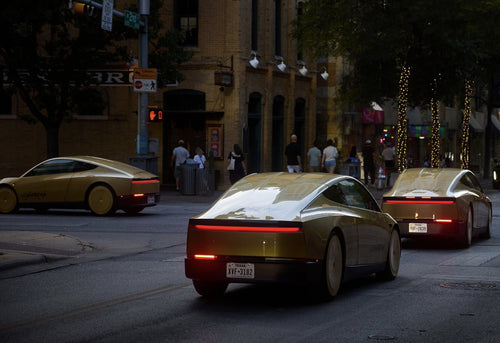
- Cybercab production is imminent. Tesla's purpose-built Robotaxi, the Cybercab, is expected to begin production in April 2026. The current Model Y fleet is effectively the proving ground — what Tesla learns here directly shapes the Cybercab rollout.
📰 Deep Dive
The jump to 10 unsupervised vehicles is best understood as a confidence signal rather than a capacity milestone. Tesla has been deliberately methodical with this ramp — the fleet count has moved up and down over the past several months as the company adjusts based on real-world performance data. The fact that it has now reached a new high suggests the system is meeting internal reliability thresholds that justify expanding the unsupervised footprint.
The timing is also significant. With Cybercab production expected to begin this month, Tesla needs the Model Y Robotaxi program to be generating clean, high-volume operational data right now. Every unsupervised mile logged in Austin is training data, edge-case resolution, and regulatory credibility — all things Tesla will need when it files for expanded autonomous vehicle permits in the seven cities it has targeted for H1 2026 expansion.
The service availability figure — just 19% of operating hours as of February — remains the most honest indicator of where the program actually stands. A fleet of 10 unsupervised vehicles covering 245 square miles in a city the size of Austin is still a controlled experiment, not a commercial service. But the trajectory is clearly upward, and the combination of a growing unsupervised count, an expanding geofence, and imminent Cybercab production suggests Tesla is building toward a genuine inflection point in the coming months. For owners and prospective riders, the Austin program is the clearest window into what autonomous Tesla rides will look like at scale — and right now, that window is opening a little wider.
🚕 Following the Robotaxi rollout? See every operating city, launch date and announced market in our Tesla Robotaxi Tracker.
Related Gear
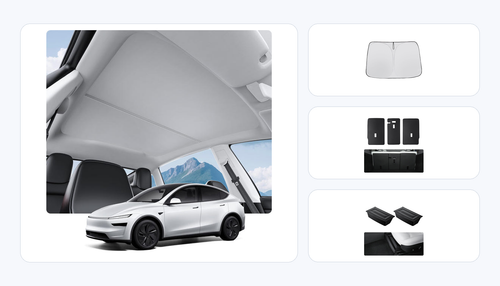
Gear up your Model Y with tested, custom-fit BASENOR accessories — shop Model Y accessories →
Sources & reporting notes
The links below identify the material source records used for this report.
- @TeslaNewswire on X (2026-04-08T05:21:31.000Z) — Direct source
Source links are preserved as published or accessed. See our editorial standards and corrections policy.
The BASENOR Editorial Desk covers Tesla, SpaceX, and related technology, curating reporting from primary sources — official accounts, regulatory filings, and software release data. Every article passes source-record and fact-checking review before publication. About the newsroom.
This report was curated by the BASENOR Editorial Desk from the sources listed above. Read our editorial standards or email editorial@basenor.com to report an error.