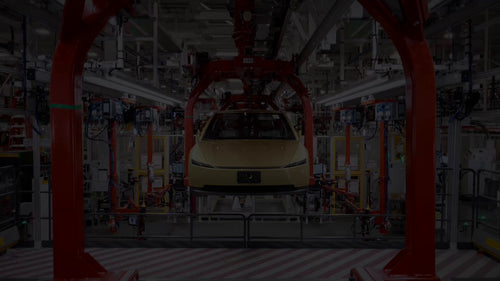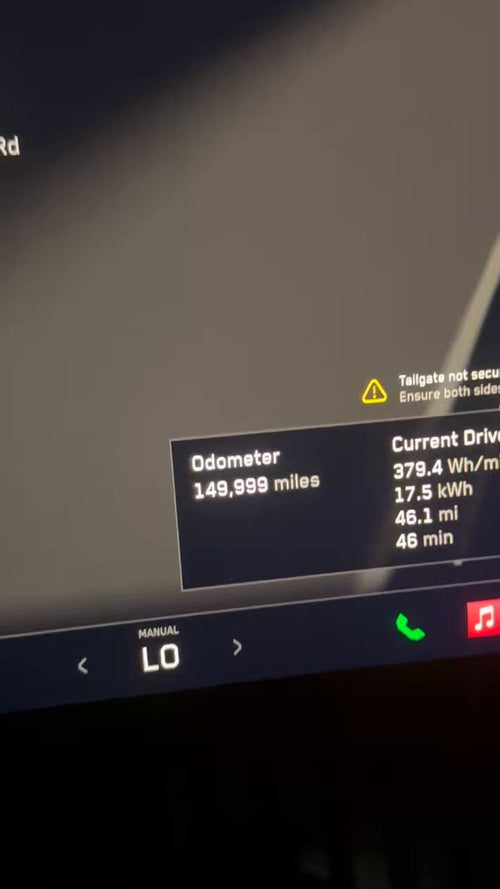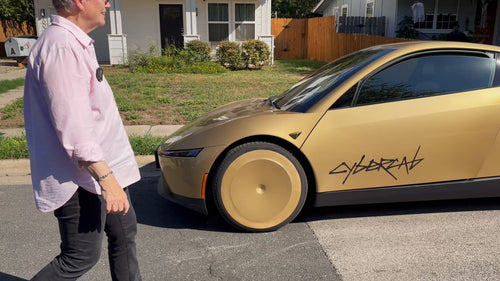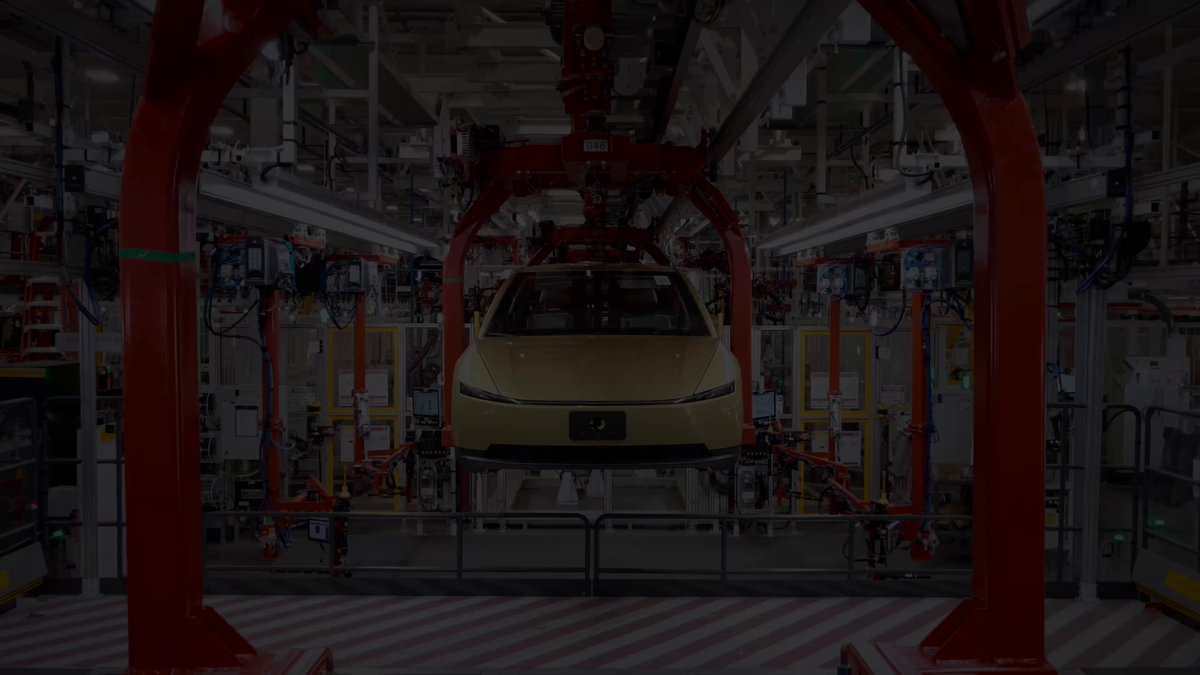
Tesla's autonomous Cybercab service is heading to Dallas. On October 10 — exactly two years after the original WeRobot reveal event — Tesla AI VP Ashok Elluswamy confirmed the expansion publicly, and the ground-level data backs it up: hundreds of Cybercabs have already been spotted staging at a Dallas hub. Here's everything worth knowing before the service goes live.

Who confirmed the Dallas launch, and how official is this?
Ashok Elluswamy, Tesla's VP of AI, posted the confirmation on October 10, 2026 — the two-year anniversary of the WeRobot Cybercab reveal. His exact words: "the cabs are everywhere in Austin now. Dallas soon." That's about as direct as executive confirmation gets outside a formal press release. Sawyer Merritt, who closely tracks Tesla announcements, followed within minutes calling it an official announcement of public Cybercab rides launching next in Dallas.
Is Dallas already seeing Cybercab activity on the ground?
Yes, and the numbers are significant. According to background research, approximately 300 Cybercabs had been spotted at a Dallas Robotaxi hub as of October 5 — nearly double previous counts — suggesting final pre-launch fleet positioning was already underway before the public confirmation. Fully driverless tests without occupants were also reportedly conducted in Dallas as of October 4. The Texas DMV data tells the same story: 319 Cybercabs were registered in Texas as of October 9, after a record 150 new registrations were filed in a single overnight batch.
Can you already get a robotaxi ride in Dallas right now?
You can, but not in a Cybercab yet. Dallas currently has an active Robotaxi service that uses Model Y vehicles running an early build of FSD v15. That service area expanded by roughly 50 percent in late August 2026, growing from about 78 to 120 square kilometers. The Cybercab deployment will be additive to that existing footprint — though Tesla hasn't confirmed whether the Cybercab service zone will match or exceed the current Model Y coverage area at launch.
What exactly is the Cybercab, for anyone who hasn't ridden one in Austin?
The Cybercab is a purpose-built two-seat autonomous vehicle with no steering wheel and no pedals. It runs on FSD v15 in unsupervised mode, meaning there is no human safety driver present. Tesla's commercial Cybercab service launched in Austin on September 3, 2026, with paid public rides beginning the following day. The Austin rollout serves as the operational template Dallas will follow.
Is there anything that could delay or complicate the Dallas launch?
One regulatory factor worth watching: NHTSA is currently conducting an audit into how Tesla certified the Cybercab's compliance with federal safety standards. Tesla has been required to provide sworn answers by October 30, 2026. That deadline falls very close to what appears to be an imminent Dallas launch window. It's unclear whether the audit's outcome could affect the expansion timeline, but it's a variable that wasn't present when Austin launched in September.
When exactly will Dallas Cybercab rides be available to the public?
Tesla hasn't announced a specific launch date. Elluswamy's "Dallas soon" language mirrors the kind of pre-launch signals that preceded Austin's September debut. Given that fleet staging is already well advanced and driverless testing has been underway for over a week, the window is likely measured in weeks rather than months — but a firm date hasn't been committed to publicly as of this writing.
🚕 Following the Robotaxi rollout? See every operating city, launch date and announced market in our Tesla Robotaxi Tracker.
Related Gear
Gear up your Tesla with tested, custom-fit BASENOR accessories — shop Tesla accessories →
Sources & reporting notes
The links below identify the material source records used for this report.
- @aelluswamy on X (2026-10-10T18:24:04.000Z) — Direct source
- @SawyerMerritt on X (2026-10-10T18:25:45.000Z) — Direct source
Source links are preserved as published or accessed. See our editorial standards and corrections policy.
The BASENOR Editorial Desk covers Tesla, SpaceX, and related technology, curating reporting from primary sources — official accounts, regulatory filings, and software release data. Every article passes source-record and fact-checking review before publication. About the newsroom.
This report was curated by the BASENOR Editorial Desk from the sources listed above. Read our editorial standards or email editorial@basenor.com to report an error.