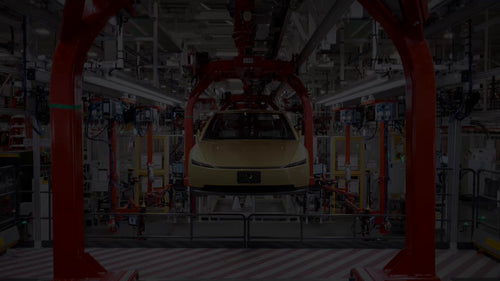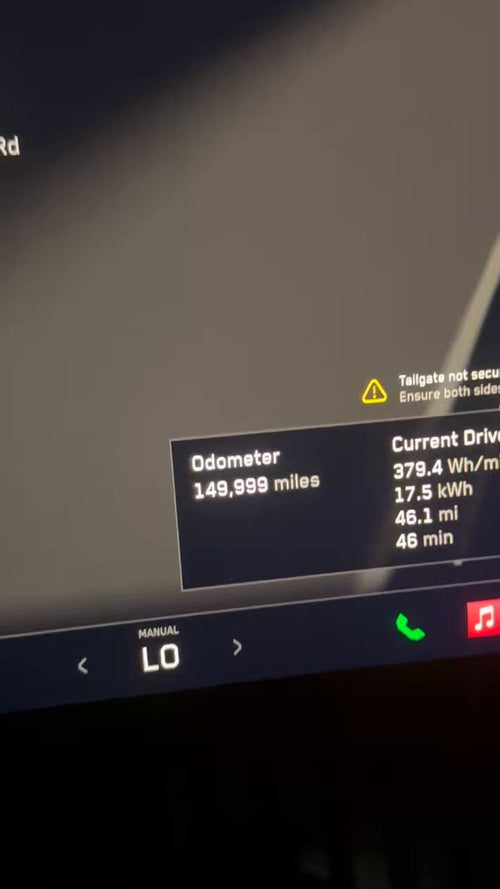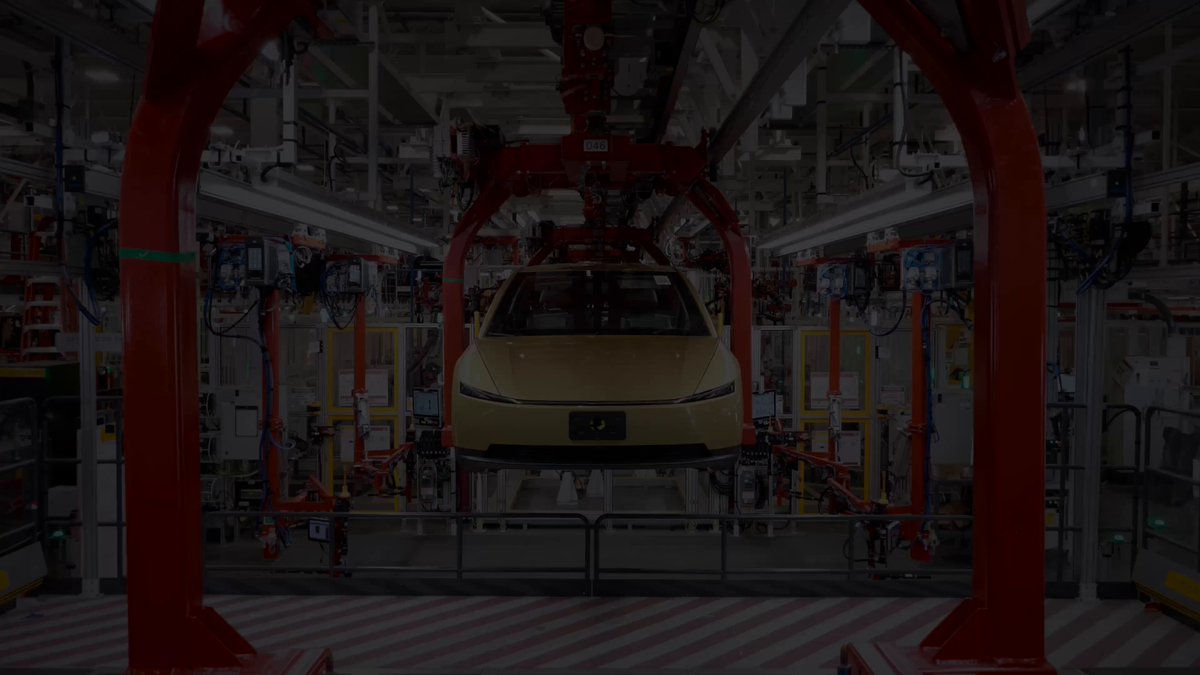
Tesla has, for the first time, publicly confirmed the size of its active Cybercab fleet: more than 300 vehicles are now operating as paid robotaxis in Austin, Texas. The disclosure landed on October 10, 2026 — exactly two years to the day since Tesla unveiled the Cybercab at its 'We, Robot' event in Hollywood. Ashok Elluswamy, Tesla's Director of AI, framed the milestone bluntly: 'Announced that the Cybercab will be here in two years exactly two years ago this day. We are learning to be on time.'
The number represents an 8x increase in the active fleet over the past 30 days, according to Tesla's own figures shared through investor-aligned accounts on X. Texas Department of Motor Vehicles registration data corroborates the pace: 319 Cybercabs were on the state registry as of October 8–9, up from 169 on October 2, following 150 new registrations in roughly a week.

Why the 300 Number Matters
Until this week, Tesla had never officially stated how many Cybercabs were on public roads. Analysts and watchdogs had been triangulating from Texas DMV filings, insurance records, and street sightings — but the company itself declined to confirm fleet size. The 300+ disclosure changes that posture. It's an explicit scale claim Tesla is now willing to be measured against, which matters for regulators, insurers, and anyone benchmarking Tesla's autonomy program against Waymo's roughly 1,500-vehicle operational fleet.
According to Texas DMV data cited by The Tesla Newswire, Cybercabs now make up roughly 43% of Tesla's total autonomous vehicle fleet registered in Texas (739 vehicles). The balance is primarily Model Y units operating under the same Robotaxi service umbrella that launched paid rides in Austin earlier this year.
Key Figures
| Metric | Value | Source |
|---|---|---|
| Active Cybercab fleet (Austin) | 300+ | Tesla, Oct 10, 2026 |
| Cybercabs registered in Texas | 319 | TX DMV, Oct 8–9 |
| Cybercabs registered 8 days earlier | 169 | TX DMV, Oct 2 |
| Growth in 30 days | 8x | Tesla |
| Total Tesla AV fleet in Texas | 739 | TX DMV, Oct 8 |
| Cybercab share of Tesla AV fleet | ~43% | Derived |
How Tesla Got Here
The Cybercab was revealed on October 10, 2024, at Warner Bros. Discovery Studios in Hollywood. Elon Musk told the audience the two-door, steering-wheel-free vehicle would reach production by 2026. That timeline was greeted with heavy skepticism at the time — Tesla had missed multiple previous autonomy deadlines, including the original 2020 'million robotaxis' projection.
Paid Robotaxi service in Austin launched earlier in 2026 using modified Model Y vehicles while Cybercab production ramped at Gigafactory Texas. The transition from a Model Y–dominated fleet to a Cybercab-majority fleet has happened faster than most outside analysts expected. Elluswamy's follow-up post made the geographic ambition clear: 'Two years since the 10/10 Cybercab We, Robot event, the cabs are everywhere in Austin now. Dallas soon.'
What Owners and Watchers Should Track Next
The 300-vehicle disclosure is a scale marker, not an endgame. Several specific signals will tell us whether this ramp is sustainable or whether Austin is a showcase deployment that will be hard to replicate.
- Dallas launch timing. Elluswamy named Dallas as the next city but gave no date. Watch for Texas DMV registrations shifting to Dallas-area addresses and for geofence expansions in the Robotaxi app.
- Weekly registration cadence. The jump from 169 to 319 in one week — 150 new registrations — is the real tempo metric. If that pace holds, Austin crosses 1,000 Cybercabs before year-end.
- Safety and incident disclosures. NHTSA has an open investigation into Tesla's Robotaxi service that began earlier this year. More vehicles mean more miles, which means more data points for regulators.
- Price per ride. Tesla launched the service with promotional pricing. The economics of a 300+ vehicle fleet depend on what Tesla charges once that promotional window closes.
- Non-Texas expansion. Cybercab is currently a Texas-only vehicle due to state regulatory flexibility. California, Nevada, and Arizona are the plausible next states — each with different permitting hurdles.
What It Means for Tesla Owners
If you own a Model 3, Y, S, X, or Cybertruck, the Cybercab ramp doesn't directly change your vehicle — but it accelerates the FSD stack that does. Every Cybercab mile in Austin is training data fed back into the same neural networks that power supervised FSD on consumer vehicles. Tesla has repeatedly framed its consumer fleet and its Robotaxi fleet as a single learning loop; a 300+ vehicle commercial deployment generating paid-ride data in a dense urban environment is the kind of input the broader FSD rollout has been waiting on.
Owners in Austin and, soon, Dallas may also start seeing the service appear in their Tesla app as a transportation option — Tesla has previously said the Robotaxi network will be available to any Tesla account holder in supported cities, not just locals.
Quick FAQ
How many Cybercabs are actually on the road right now?
Tesla says more than 300 are in active service in Austin as of October 10, 2026. Texas DMV data shows 319 registered as of October 8–9. The two figures are consistent — DMV counts total registrations, while Tesla's number refers to vehicles actively dispatching rides.
Did Tesla actually hit its two-year timeline?
Yes, by its own measure. The Cybercab was unveiled on October 10, 2024, with a promise of volume deployment within two years. On October 10, 2026, Tesla confirmed 300+ active vehicles. Elluswamy acknowledged the on-time delivery himself, calling it a case of 'learning to be on time.'
Where is the Cybercab going next?
Elluswamy named Dallas as the next deployment city. No specific launch date has been shared publicly. Expansion beyond Texas has not been officially announced.
Can I buy a Cybercab?
Not yet. The vehicles currently on the road are operated by Tesla as part of its Robotaxi service. A consumer purchase option was discussed at the 2024 reveal but has not been formally opened for orders.
How does this compare to Waymo?
Waymo's operational fleet is in the roughly 1,500-vehicle range across multiple US cities. Tesla's Austin fleet of 300+ is smaller but growing roughly 8x per month at its current pace. Tesla's bet is that a purpose-built, lower-cost vehicle plus a camera-only autonomy stack will scale faster per dollar than Waymo's lidar-equipped Jaguar I-PACE fleet.
The next data point to watch is simple: Dallas. When that geofence opens, we'll know whether 300 was a milestone or a starting line.
🚕 Following the Robotaxi rollout? See every operating city, launch date and announced market in our Tesla Robotaxi Tracker.
Related Gear
Gear up your Tesla with tested, custom-fit BASENOR accessories — shop Tesla accessories →
Sources & reporting notes
The links below identify the material source records used for this report.
- @SawyerMerritt on X (2026-10-10T18:08:16.000Z) — Direct source
- @SawyerMerritt on X (2026-10-10T18:09:38.000Z) — Direct source
- @aelluswamy on X (2026-10-10T18:15:50.000Z) — Direct source
- @TeslaNewswire on X (2026-10-10T18:16:19.000Z) — Direct source
- @aelluswamy on X (2026-10-10T18:24:04.000Z) — Direct source
Source links are preserved as published or accessed. See our editorial standards and corrections policy.
The BASENOR Editorial Desk covers Tesla, SpaceX, and related technology, curating reporting from primary sources — official accounts, regulatory filings, and software release data. Every article passes source-record and fact-checking review before publication. About the newsroom.
This report was curated by the BASENOR Editorial Desk from the sources listed above. Read our editorial standards or email editorial@basenor.com to report an error.