Three separate signals dropped on September 7 that together paint a clearer picture of what the Tesla Cybercab actually is — and why it was designed the way it was. A data-backed argument for the two-seat layout, a new look at the manufacturing process, and a real-world rain test from Tesla's own Director of AI all surfaced within the same hour. Here's what each one tells us.
Why is the Cybercab only a two-seater?
Because that's what the data supports. According to commentary from Tesla observer Sawyer Merritt, 85% of all car rides in America involve just one or two people. Building a larger vehicle to serve the majority of trips would add cost, weight, and complexity without meaningful benefit. The Cybercab is optimized for the use case that actually dominates — not the edge case. For the remaining 15% of trips that need more room, Tesla's existing lineup steps in: Model Y, Model Y L, and Cybertruck cover group travel, cargo runs, and family trips.
What is the Unboxed Process, and how does it apply to the Cybercab?
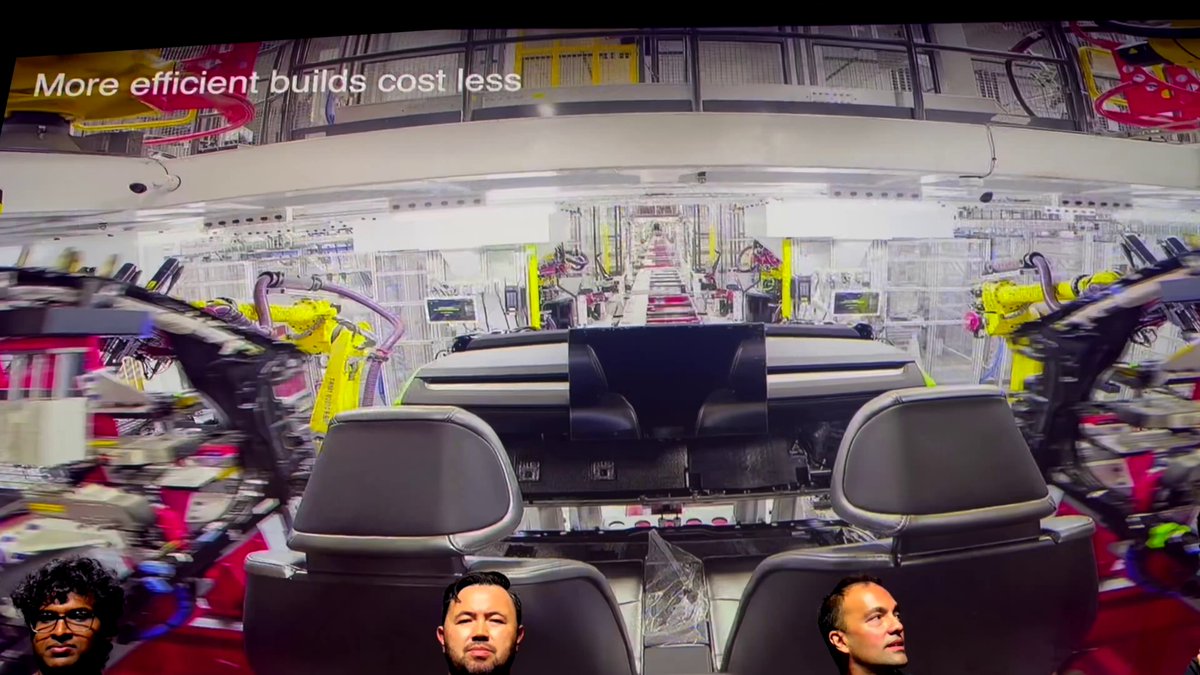
Tesla's Unboxed Process is a manufacturing approach that assembles large sub-sections of a vehicle simultaneously — rather than sequentially on a traditional moving line — then joins them together. A new video shared by The Tesla Newswire shows this process applied specifically to the Cybercab. The method is designed to reduce factory floor space, cut production time, and lower the cost per vehicle. For a robotaxi that needs to be produced at scale to make the economics work, the Unboxed Process is less of a design curiosity and more of a commercial necessity.

Does the Cybercab work in bad weather?
Yes — and Tesla's Director of AI, Ashok Elluswamy, made a point of showing it. He posted video on September 7 of a Cybercab robotaxi operating in rainy conditions, captioning it simply: "Tesla Robotaxis work equally well in the rain." It's a deliberate signal. One of the most persistent concerns about camera-only autonomous systems is degraded performance in precipitation, reduced visibility, and wet road surfaces. Elluswamy's post doesn't go into technical detail, but the fact that a senior AI leader is publicly demonstrating wet-weather operation suggests Tesla is confident enough in the system's robustness to put it on record.

What does the Cybercab look like inside, and what's missing compared to a regular car?
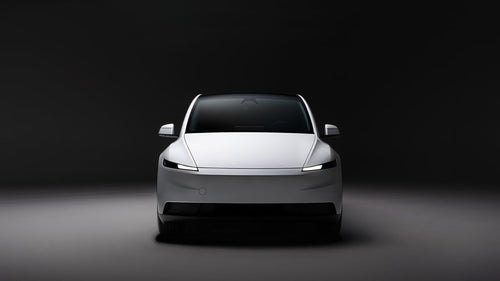
Quite a lot is missing — intentionally. According to verified specifications, the Cybercab has no steering wheel, no pedals, no side mirrors, and no rear window. It's built from the ground up for autonomous operation only; there's no provision for a human driver to take over. Entry is through butterfly doors that open automatically, with no traditional door handles on the exterior. The interior is stripped to the essentials for two passengers. That level of simplification isn't just aesthetic — removing driver controls reduces cost and weight, and the butterfly door design is part of what makes the Unboxed manufacturing approach viable at scale.
How does the Cybercab fit into Tesla's broader vehicle lineup?
Think of it as a purpose-built tool for a specific job, not a replacement for anything. The Cybercab handles the high-frequency, low-occupancy trips that make up the bulk of urban mobility. Model Y and Model Y L absorb the family and group travel segment. Cybertruck covers utility and cargo. Tesla isn't asking the Cybercab to do everything — it's asking it to do one thing extremely well, at the lowest possible cost per mile, for the largest possible share of real-world trips. The 85% statistic isn't marketing; it's the engineering brief.
What remains to be seen is how Tesla's autonomous system handles the full range of real-world conditions beyond rain — snow, construction zones, complex urban intersections — and at what scale the Cybercab fleet will operate before those answers become public. Elluswamy's post is a data point, not a full weather report.
🚕 Following the Robotaxi rollout? See every operating city, launch date and announced market in our Tesla Robotaxi Tracker.
Related Gear
Gear up your Tesla with tested, custom-fit BASENOR accessories — shop Tesla accessories →
Sources & reporting notes
The links below identify the material source records used for this report.
- @SawyerMerritt on X (2026-09-07T17:00:10.000Z) — Direct source
- @TeslaNewswire on X (2026-09-07T17:08:28.000Z) — Direct source
- @aelluswamy on X (2026-09-07T17:53:58.000Z) — Direct source
Source links are preserved as published or accessed. See our editorial standards and corrections policy.
The BASENOR Editorial Desk covers Tesla, SpaceX, and related technology, curating reporting from primary sources — official accounts, regulatory filings, and software release data. Every article passes source-record and fact-checking review before publication. About the newsroom.
This report was curated by the BASENOR Editorial Desk from the sources listed above. Read our editorial standards or email editorial@basenor.com to report an error.