Tesla is setting its sights on Washington D.C. as the next frontier for its Cybercab robotaxi program, with reports indicating the company is preparing to bring a significant number of the purpose-built autonomous vehicles to the nation's capital. It's an ambitious move that would place Tesla's driverless hardware directly in one of the most politically and symbolically visible cities in the country — but the path from testing to full deployment still has meaningful hurdles to clear.

Where the Cybercab Program Stands Right Now
Tesla's robotaxi service is currently operating in Austin, Dallas, and Houston, Texas — but those rides are handled by Model Y vehicles, not the purpose-built Cybercab. The Cybercab itself only entered production in February 2026 at Gigafactory Texas, with volume production targeting a ramp through the spring. According to EPA filings, Tesla listed May 29, 2026 as the Cybercab's official "Introduction into Commerce Date" — a regulatory milestone confirming the vehicle has entered the commercial supply chain, though not necessarily that passengers are riding in them yet.
The EPA also issued the Cybercab a Certificate of Conformity for the 2026 model year on May 26, 2026, clearing it for legal operation across the United States from an emissions standpoint. That's a critical box checked. On the federal safety side, NHTSA proposed on June 25 — just one day before this D.C. report surfaced — to update Federal Motor Vehicle Safety Standards to remove the requirement for manual brake pedals in fully autonomous vehicles. That rule change, currently open for 30 days of public comment, would directly benefit the Cybercab, which is designed without a steering wheel or pedals.
D.C. Testing Has Already Begun
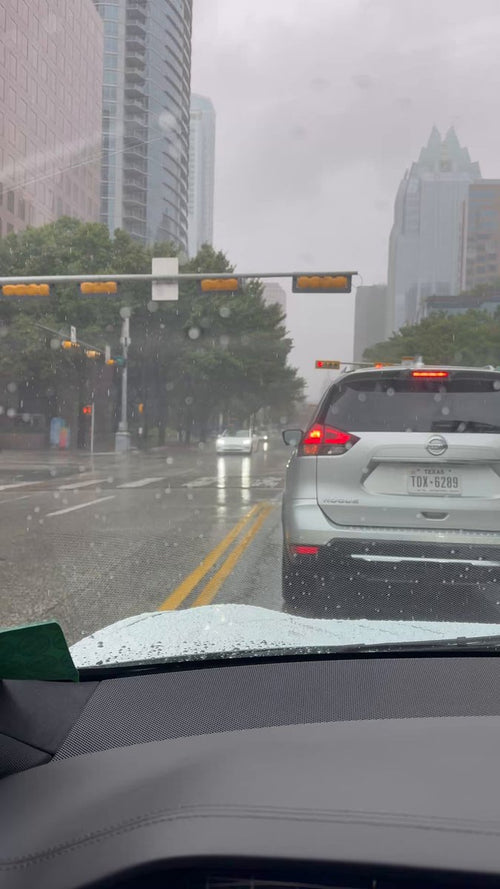
Washington D.C. isn't a cold start for Tesla. Cybercab units were spotted testing on public roads in the capital as far back as March 2026, suggesting the company has been quietly building operational familiarity with the city's road network well ahead of any commercial launch. A D.C. Council member also introduced legislation in April 2026 to authorize robotaxi operations in the district — though the city has faced delays in completing a required safety study that would underpin those regulations.
That regulatory gap is the most significant variable. Tesla can have vehicles ready and federally certified, but operating a commercial driverless service in D.C. requires local authorization that isn't yet in place. The timing of any large-scale deployment will ultimately depend on how quickly the district moves to finalize its robotaxi framework.

The Vehicle Itself: Key Specs
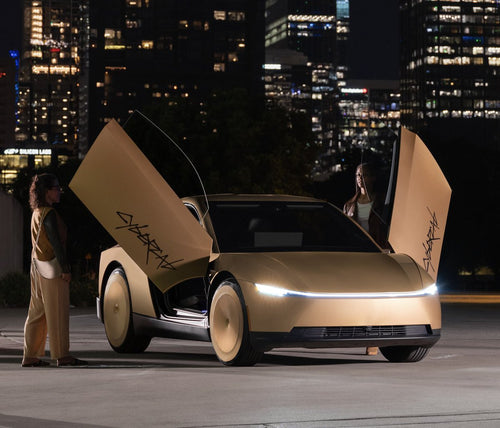
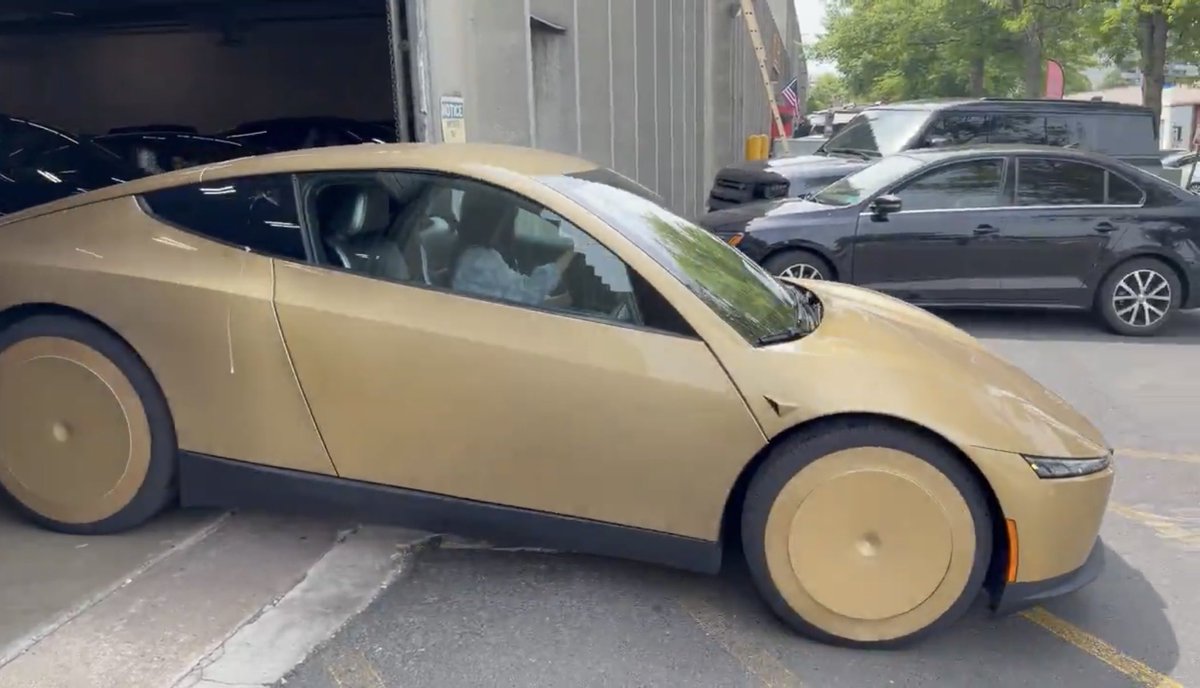
For those less familiar with the hardware, the Cybercab is a two-seater designed from the ground up for fully autonomous operation. Based on EPA filing data, it carries a roughly 47.6 kWh lithium-ion battery pack, a 163 kW (219 hp) front-wheel-drive motor, and an estimated range of approximately 293 miles on the EPA combined cycle. Curb weight comes in at 3,113 pounds. Tesla's target production cost is approximately $30,000 — a figure that, if achieved at scale, would make it one of the most cost-competitive autonomous platforms in the industry.
The absence of a steering wheel and pedals isn't just a design choice — it's a regulatory statement. The vehicle is built to operate exclusively under an automated driving system, which is precisely why the NHTSA rule proposal announced this week matters so much to Tesla's broader deployment timeline.
What This Means for the Expansion Roadmap
A D.C. deployment would be a strategically loaded choice beyond just market size. Operating in the shadow of federal regulators and policymakers sends a message — and given the current administration's apparent openness to updating autonomous vehicle safety standards, the timing appears deliberate. Tesla has long telegraphed ambitions to scale the Cybercab to millions of units annually across multiple factories; getting the vehicle established in a high-visibility market like D.C. accelerates both public familiarity and the regulatory normalization that makes broader national expansion possible.
No official launch date or confirmed vehicle count for D.C. has been announced by Tesla. What's clear is that the groundwork — testing, federal certifications, production ramp, and favorable regulatory winds at the federal level — is further along than most people realize. The local regulatory piece in D.C. remains the critical unknown, and that's the number to watch.
🚕 Following the Robotaxi rollout? See every operating city, launch date and announced market in our Tesla Robotaxi Tracker.
Related Gear
Gear up your Tesla with tested, custom-fit BASENOR accessories — shop Tesla accessories →
Sources & reporting notes
The links below identify the material source records used for this report.
- @TeslaNewswire on X (2026-06-26T18:12:05.000Z) — Direct source
- @TeslaNewswire on X (2026-06-26T18:23:56.000Z) — Direct source
Source links are preserved as published or accessed. See our editorial standards and corrections policy.
The BASENOR Editorial Desk covers Tesla, SpaceX, and related technology, curating reporting from primary sources — official accounts, regulatory filings, and software release data. Every article passes source-record and fact-checking review before publication. About the newsroom.
This report was curated by the BASENOR Editorial Desk from the sources listed above. Read our editorial standards or email editorial@basenor.com to report an error.