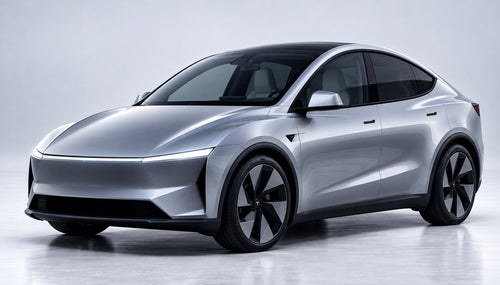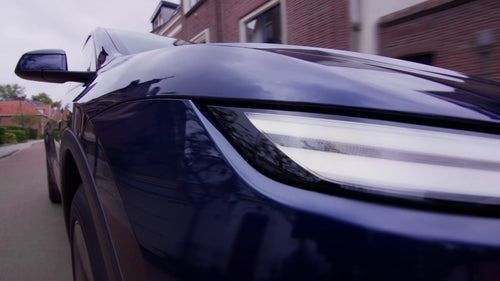

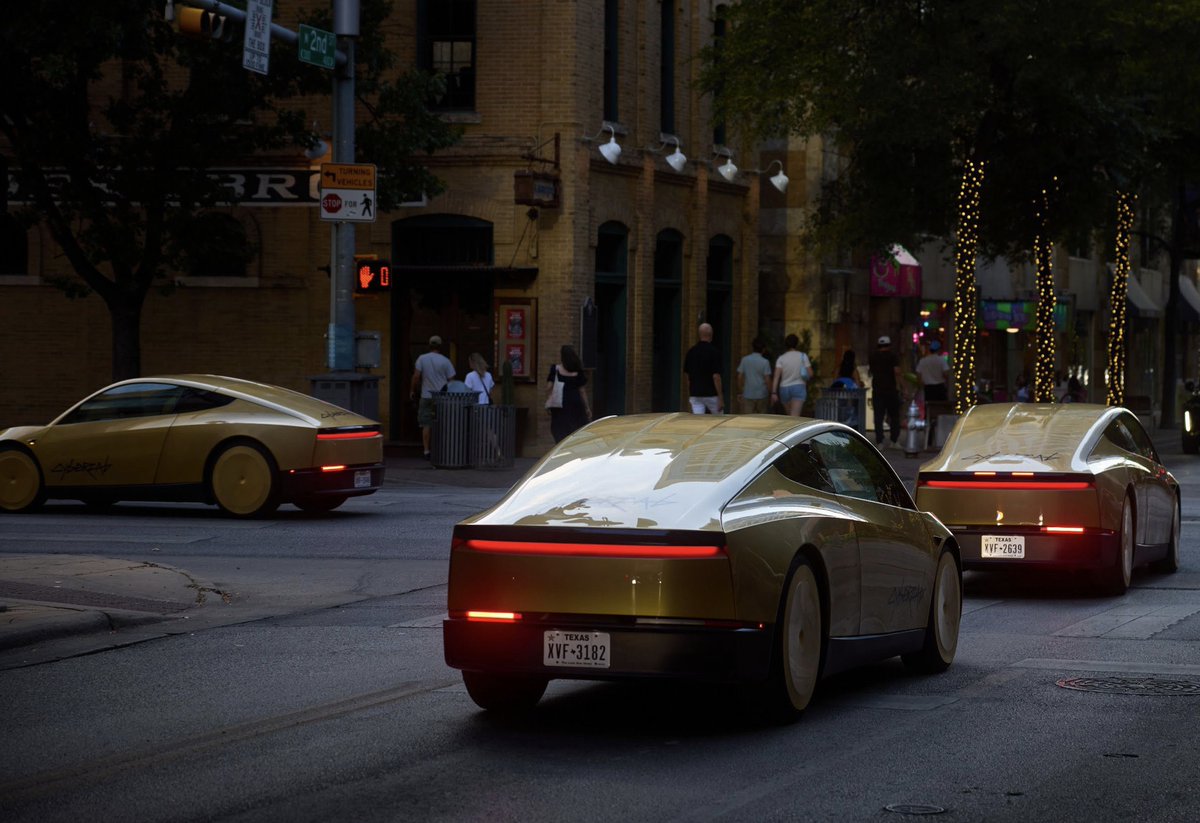
Tesla's Cybercab Robotaxi fleet in Texas just crossed another milestone. According to Texas DMV records, Tesla has registered an additional 11 Cybercabs, bringing the total to 433 vehicles — and observers tracking the rollout say the pace in Austin is already reshaping the local vehicle mix in a way few expected this quickly.

1. The fleet just hit 433 registered Cybercabs in Texas
Texas DMV records confirm Tesla registered another 11 Cybercabs on October 24, pushing the cumulative total to 433. That's the official, on-the-record number — not an estimate or a projection. Registration data is one of the cleaner ways to track fleet growth because it's a public government record, not a company press release. Each new batch of registrations signals Tesla is actively receiving, processing, and deploying additional units into its Texas operation.
2. Tesla briefly paused at 420 before pushing through
Whole Mars Catalog noted that registrations appeared to stall at 420 before this latest batch arrived. Whether that pause was logistical — vehicle processing, software validation, regulatory coordination — or simply a coincidence is unknown. What it does confirm is that the ramp isn't a single continuous upload of vehicles; it's happening in discrete batches, which is consistent with how Tesla has historically staged large-scale deployments. The pause-and-push pattern is worth watching as the fleet continues to grow.
3. In Austin specifically, Cybercabs may already outnumber Model Ys on the road
This is the most striking data point in the current discussion. Whole Mars Catalog reported that autonomous Cybercabs in Austin are already approaching — or have already surpassed — the number of Model Y vehicles operating in the city. Statewide, the crossover point is described as imminent. For context, the Model Y has been one of the best-selling vehicles in the United States for multiple years running. The idea that a purpose-built robotaxi is becoming the numerically dominant Tesla variant in a major U.S. city speaks to the concentration of the Austin deployment.
4. The Texas DMV is the authoritative tracking source — not Tesla
Tesla has not issued any official fleet-size announcements for its Cybercab Robotaxi program. All confirmed numbers are coming from state vehicle registration data, which independent trackers and journalists are monitoring in near real-time. That makes Texas DMV filings the most reliable public signal available for fleet size. It also means the registered count is a floor, not a ceiling — vehicles that are registered but not yet deployed, or vehicles undergoing maintenance, are all counted in the same pool as actively operating units.
5. The ramp pace suggests Tesla is treating Texas as its primary Cybercab proving ground
Going from zero to 433 registered Cybercabs in a single state, with the concentration heavy enough in one city to rival the Model Y count, is not a pilot program — it's a scaled deployment. Texas has been the operational home of Tesla's autonomous vehicle testing and commercial rollout, and the registration data reinforces that the company is using the state as the primary environment to stress-test both the vehicles and the underlying logistics of running a robotaxi fleet at scale. How quickly the fleet crosses 500, and whether registrations begin appearing in other states, will be the next indicators worth watching.
The 433 figure is a snapshot, not a ceiling. With registrations arriving in batches and Austin already showing Cybercab density that rivals the Model Y, the operational story in Texas is moving faster than most timelines anticipated even six months ago.
🚕 Following the Robotaxi rollout? See every operating city, launch date and announced market in our Tesla Robotaxi Tracker.
Related Gear
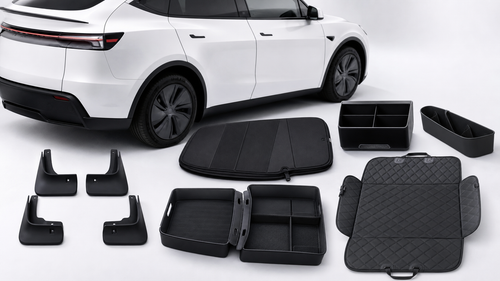
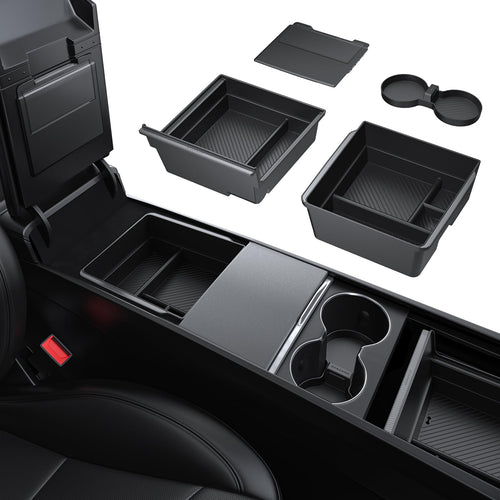
Gear up your Tesla with tested, custom-fit BASENOR accessories — shop Tesla accessories →
Sources & reporting notes
The links below identify the material source records used for this report.
- @wholemars on X (2026-10-24T21:10:39.000Z) — Direct source
- @SawyerMerritt on X (2026-10-24T21:12:06.000Z) — Direct source
- @wholemars on X (2026-10-24T21:14:31.000Z) — Direct source
Source links are preserved as published or accessed. See our editorial standards and corrections policy.
The BASENOR Editorial Desk covers Tesla, SpaceX, and related technology, curating reporting from primary sources — official accounts, regulatory filings, and software release data. Every article passes source-record and fact-checking review before publication. About the newsroom.
This report was curated by the BASENOR Editorial Desk from the sources listed above. Read our editorial standards or email editorial@basenor.com to report an error.