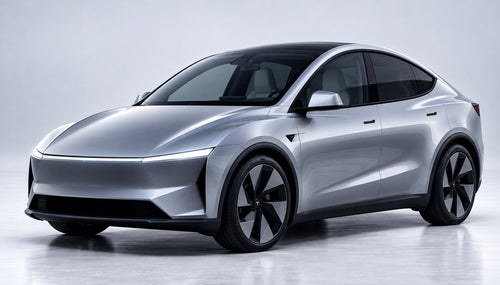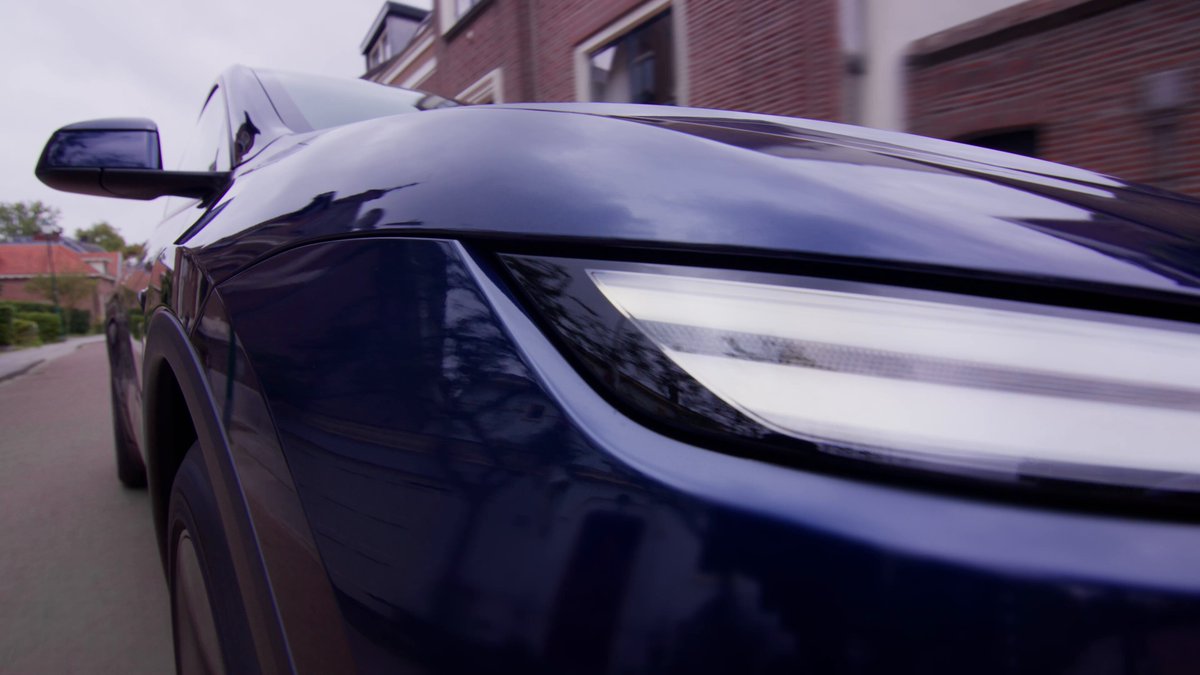
Tesla Europe recently highlighted a story from the Netherlands that puts driver-assistance technology in a starkly human context. Wilco, a Dutch Tesla owner, suffered an undiagnosed seizure while driving with his family — his youngest child just two months old. His foot stayed pinned to the accelerator, the car crashed, and he lost his license for a full year. The story, shared by Tesla Europe, frames FSD (Supervised) as part of what eventually gave him confidence to drive again.

It's a compelling story — and a useful prompt for any Tesla owner to think through what driver-assistance features actually do when a human can no longer control the car.
What FSD (Supervised) Can Do in a Medical Emergency
FSD (Supervised) is not an autonomous system. The Dutch vehicle authority (RDW), which granted national type approval for the technology on April 10, 2026 — making the Netherlands the first EU country to authorize it — classifies it as a driver-controlled assistance system. The driver remains legally responsible and must stay attentive at all times.
That said, the system does include behaviors that could matter in an incapacitation scenario:
- Automatic Emergency Braking (AEB): Tesla's fleet data from the Netherlands showed FSD (Supervised) triggered 14.9 times fewer AEB events than manual driving — meaning the system is actively managing speed and distance in ways that reduce the need for emergency intervention.
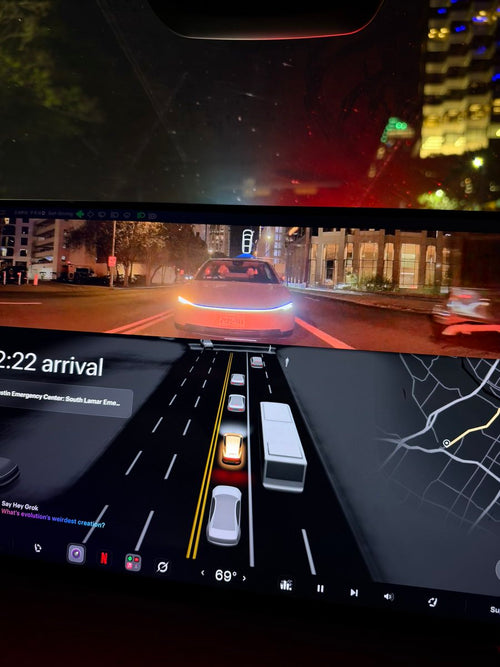
- Driver Monitoring: Tesla vehicles monitor driver attentiveness. Prolonged inattention — including no steering wheel torque — triggers escalating warnings and, eventually, a controlled slowdown and hazard light activation.
- Lane Keeping and Speed Management: While engaged, FSD maintains lane position and manages speed. A foot pressed hard on the accelerator by an incapacitated driver is a scenario where the system's behavior would depend on the specific situation and software version.
According to Tesla's own safety data covering April 10 through early June 2026, FSD (Supervised) recorded 3.5 times fewer collisions overall than manual driving in the Netherlands, with zero total collisions across 16.6 million kilometers of highway driving. The version running during that period was v14.2.2.5, delivered via software update 2026.3.6. Independent researchers and Reuters have raised methodological questions about how Tesla presents these comparisons, and the RDW has stated it conducts its own independent research rather than relying on Tesla's marketing claims.
What to Check on Your Tesla Right Now
Wilco's story is a reminder that driver-assistance features are only useful if they're properly configured. Here's what to verify on your car today:
1. Confirm Driver Monitoring Is Active
Go to Controls → Autopilot and verify that driver monitoring prompts are enabled. If you've adjusted sensitivity settings, consider resetting them to default. The system needs to detect inattentiveness to trigger a safety response.
2. Check Your Emergency Braking Settings
Navigate to Controls → Autopilot → Forward Collision Warning and set it to Early if it isn't already. Also confirm Automatic Emergency Braking is toggled on — it should be on by default, but it's worth a look.
3. Set Up Your Medical ID (iPhone) or Emergency Information (Android)
This isn't a Tesla setting, but it matters. First responders are trained to check a phone's lock screen for medical information. If you have a condition that could cause sudden incapacitation, make sure this information is accessible. Your Tesla's emergency call feature (eCall) activates automatically in a detected collision in supported regions — but your phone's medical ID gives responders critical context faster.
4. Add an Emergency Contact in the Tesla App
Under your Tesla app profile, ensure your emergency contact information is current. In a serious collision, Tesla's system can contact emergency services and share your location.
5. Know the Limits Before Engaging FSD
FSD (Supervised) requires your hands near the wheel and your eyes on the road. It is not a system designed to take over if you become unconscious — it is a system designed to assist an attentive driver. Treat it as a capable co-pilot, not a safety net for medical emergencies.
The Broader Picture for European Owners
Wilco's story is one data point in a larger regulatory moment. The Netherlands approval in April 2026 was a significant milestone — 18 months of RDW testing, over 1.6 million kilometers of European road validation — and Tesla Europe is clearly using real-owner narratives to build public understanding of what the technology does. That's a legitimate communications strategy, but it also means owners should read these stories critically: they illustrate possibilities, not guarantees.
If you're a Tesla owner in Europe with a medical condition that could affect your driving, the most important step isn't a software setting — it's a conversation with your physician and your local licensing authority about what driver-assistance technology can and cannot do for your specific situation. FSD gave Wilco confidence. Understanding its actual capabilities is what makes that confidence well-founded.
Related Gear
Gear up your Tesla with tested, custom-fit BASENOR accessories — shop Tesla accessories →
Sources & reporting notes
The links below identify the material source records used for this report.
- @TeslaNewswire on X (2026-10-24T16:45:49.000Z) — Direct source
Source links are preserved as published or accessed. See our editorial standards and corrections policy.
The BASENOR Editorial Desk covers Tesla, SpaceX, and related technology, curating reporting from primary sources — official accounts, regulatory filings, and software release data. Every article passes source-record and fact-checking review before publication. About the newsroom.
This report was curated by the BASENOR Editorial Desk from the sources listed above. Read our editorial standards or email editorial@basenor.com to report an error.