Tesla Japan has announced a new CHAdeMO fast-charging adapter capable of up to 130 kW — a dramatic upgrade over the 50 kW unit that was quietly discontinued around 2024. For Tesla owners in Japan who rely on the country's extensive CHAdeMO network, this is a significant development. Here's everything you need to know.

What exactly is the new CHAdeMO adapter and what does it do?
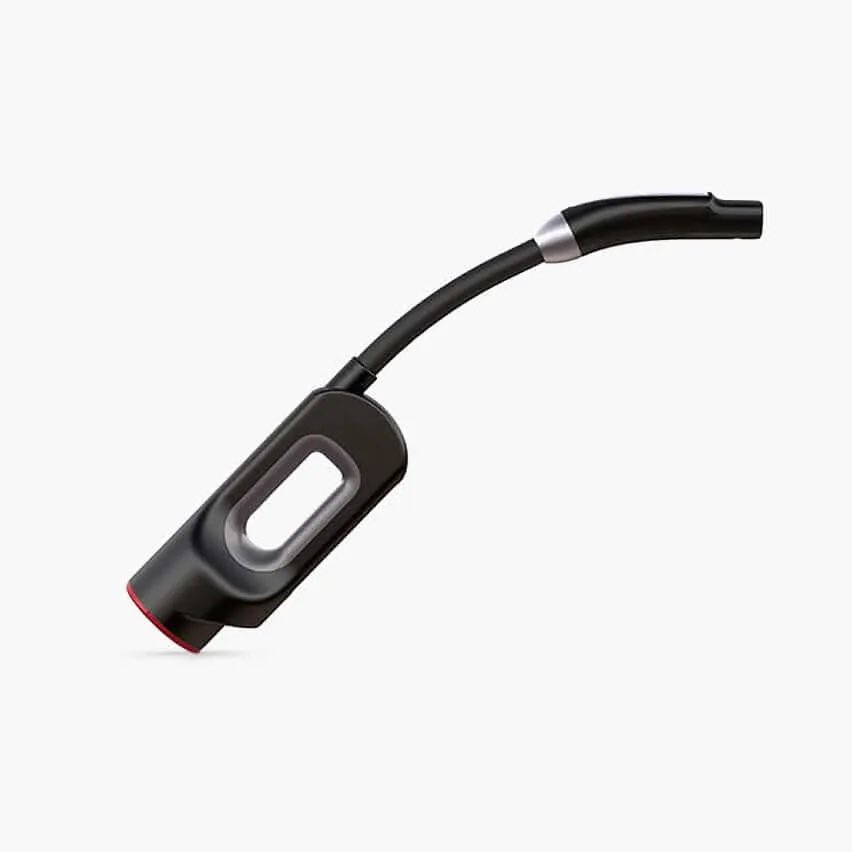
The new adapter — officially called the "Fast Charging Adapter (CHAdeMO)" — connects a Tesla's charge port to Japan's CHAdeMO rapid-charging infrastructure. The key upgrade is peak charging speed: the new unit supports up to 130 kW, compared to 50 kW on the previous generation. That's a 2.6x improvement, meaning a session that previously took an hour could now take roughly 23 minutes for the same amount of energy delivered, assuming the charger itself supports the higher output.
How many chargers in Japan actually support this?
According to Tesla's announcement, the adapter is compatible with approximately 14,000 CHAdeMO rapid chargers across Japan. CHAdeMO remains the dominant DC fast-charging standard in Japan, with a dense network spanning highways, convenience stores, and dealerships. Not every CHAdeMO unit will deliver the full 130 kW — older stations are typically rated at 50 kW or below — but the adapter is backward compatible, so it will work at any CHAdeMO charger regardless of its rated output.
When does it go on sale and how much does it cost?
According to reporting from teslanorth.com, the adapter goes on sale in January 2027 through the Tesla Shop. The price is set at ¥95,900, which works out to approximately $610 USD at current exchange rates. That's a meaningful investment, but for owners who regularly use CHAdeMO infrastructure — particularly on long-distance routes where Supercharger coverage may be thinner — the speed gain could justify the cost quickly.

What happened to the old CHAdeMO adapter?
Tesla stopped selling the original 50 kW CHAdeMO adapter around 2024, and it had been out of stock for an extended period before being formally discontinued. Owners who needed CHAdeMO access during that gap had limited options. The new 130 kW unit effectively ends that drought — and at more than double the previous adapter's speed ceiling, it's not just a replacement but a genuine generational upgrade.
Which Tesla models does it work with?
The adapter works with Tesla vehicles sold in Japan that feature the Tesla charge port. This covers Model 3 and Model Y, which are the primary models currently on sale in Japan. The actual charging speed an owner sees will depend on the vehicle's onboard DC charging capability as well as the CHAdeMO station's rated output — the 130 kW figure represents the adapter's maximum throughput, not a guaranteed minimum at every station.
Should owners pre-order or wait?
Given that the previous adapter was discontinued and sat out of stock for the better part of two years, there's a reasonable case for ordering early once the January 2027 window opens. Tesla has not announced whether supply will be limited, but the history of the previous adapter suggests demand could outpace availability. If CHAdeMO chargers are part of your regular charging routine, waiting to see if a cheaper third-party option emerges is a gamble — Tesla's official adapters are the only units with full compatibility guarantees for this standard in Japan.
Related Gear
Gear up your Tesla with tested, custom-fit BASENOR accessories — shop Tesla accessories →
Sources & reporting notes
The links below identify the material source records used for this report.
- @TeslaNewswire on X (2026-10-24T16:01:26.000Z) — Direct source
Source links are preserved as published or accessed. See our editorial standards and corrections policy.
The BASENOR Editorial Desk covers Tesla, SpaceX, and related technology, curating reporting from primary sources — official accounts, regulatory filings, and software release data. Every article passes source-record and fact-checking review before publication. About the newsroom.
This report was curated by the BASENOR Editorial Desk from the sources listed above. Read our editorial standards or email editorial@basenor.com to report an error.