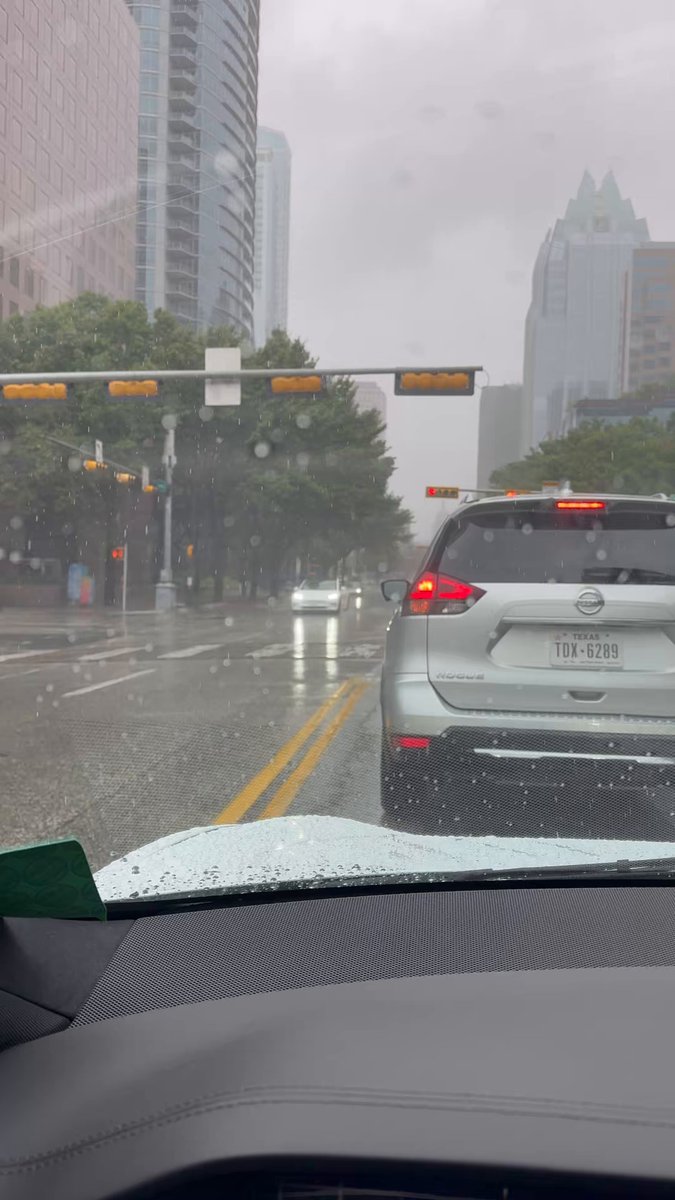
A new video clip circulating on X shows a Tesla Cybercab navigating wet roads in heavy rain — no driver, no hesitation. It's a brief moment, but it carries real weight for a robotaxi service that needs to work every day of the year, not just on sunny afternoons in Austin.

Why All-Weather Capability Is a Make-or-Break Issue
Autonomous vehicles have long faced a credibility gap around adverse weather. Rain degrades camera visibility, creates unpredictable road surfaces, and introduces edge cases that trip up perception systems trained primarily on dry-road data. For a robotaxi service operating commercially across multiple U.S. cities, the ability to stay online during a downpour isn't a bonus feature — it's a baseline requirement.
Tesla's approach is camera-first, relying on its AI4 hardware suite rather than lidar. That makes rain performance a sharper test of the underlying vision stack than it would be for sensor-fusion competitors. Footage of a Cybercab moving confidently through heavy precipitation is, in that context, a meaningful data point.
A Pattern of Wet-Weather Validation
This isn't the first time Tesla has put rain-readiness on display. According to background reporting, Tesla's Director of AI Ashok Elluswamy shared video of a Cybercab operating in rainy conditions back on September 7, 2026, captioning it plainly: "Tesla Robotaxis work equally well in the rain." Before that, two Cybercabs were observed undergoing heavy-rain testing in Austin, Texas, as early as February 2026 — months before the commercial service launched.
Austin's first responders also completed Tesla-provided training as recently as October 1, 2026, with a specific focus on severe weather scenarios and potential street flooding. That detail matters: it signals Tesla is coordinating not just the vehicle's capability but the emergency-response infrastructure around it.
Taken together, the pattern looks deliberate. Tesla has been systematically documenting and publicizing wet-weather performance since well before the September 3 commercial launch — a clear signal that all-weather reliability is a core part of the service's public narrative, not an afterthought.
The Service Today
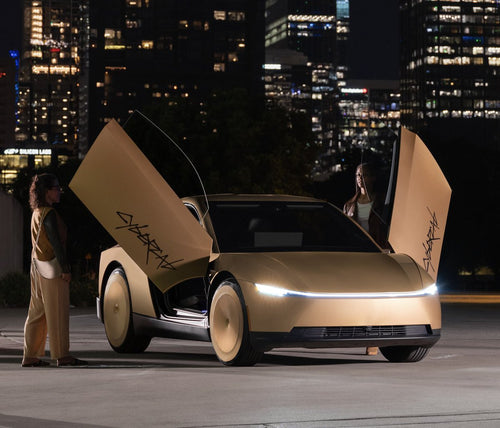
The Cybercab robotaxi service launched commercially in Austin in September 2026 and has since expanded to Dallas, Houston, Miami, Orlando, and Tampa. Rides are available seven days a week from 6 AM to 10 PM. The vehicle itself is a two-seat, fully autonomous platform — no steering wheel, no pedals — built on Tesla's AI4 hardware and powered by a single 163 kW motor with an EPA-estimated range of 418 miles on a 48 kWh battery pack. Tesla has set a target operating cost of under $0.30 per mile.
For a service now running in six cities — several of which sit squarely in hurricane-adjacent weather corridors — consistent performance in rain isn't just a technical milestone. It's a commercial necessity. Every hour a robotaxi fleet stays parked during a storm is revenue lost and trust eroded.
What Comes Next
The harder weather tests are still ahead. Rain is one thing; sustained heavy thunderstorms, standing water, and the kind of tropical downpours common to Miami and Tampa are another tier entirely. Tesla hasn't published formal weather-envelope specifications for the Cybercab's autonomous operation, and it's unclear at what precipitation threshold — if any — the service suspends rides.
That's the question this footage raises more than it answers. Seeing a Cybercab move through rain is encouraging. Knowing exactly what conditions will cause the service to pause, and how riders are notified when it does, would be the fuller picture. As the fleet grows and the service matures, that level of transparency will likely become a competitive differentiator in its own right.
🚕 Following the Robotaxi rollout? See every operating city, launch date and announced market in our Tesla Robotaxi Tracker.
Related Gear
Gear up your Tesla with tested, custom-fit BASENOR accessories — shop Tesla accessories →
Sources & reporting notes
The links below identify the material source records used for this report.
- @TeslaNewswire on X (2026-10-03T07:06:42.000Z) — Direct source
Source links are preserved as published or accessed. See our editorial standards and corrections policy.
The BASENOR Editorial Desk covers Tesla, SpaceX, and related technology, curating reporting from primary sources — official accounts, regulatory filings, and software release data. Every article passes source-record and fact-checking review before publication. About the newsroom.
This report was curated by the BASENOR Editorial Desk from the sources listed above. Read our editorial standards or email editorial@basenor.com to report an error.