📌 UPDATE — April 29, 2026
New aerial footage from Giga Texas captured this morning reveals deeper detail on the Cybercab production ramp. The video shows a dedicated Cybercab drive motor assembly line now visible inside the factory, alongside Cybertruck production robots running at full capacity. Notably, a large number of structural battery packs were spotted on the floor, suggesting accelerating output for both vehicles. The footage provides the clearest on-the-ground confirmation yet that Cybercab manufacturing is moving beyond early-stage production into a more substantial ramp phase.

📸 @JoeTegtmeyer via aerial flyover, April 29, 2026 — Cybercab drive motor assembly line, Cybertruck robots, and structural battery packs visible at Giga Texas.
📌 UPDATE — April 27, 2026
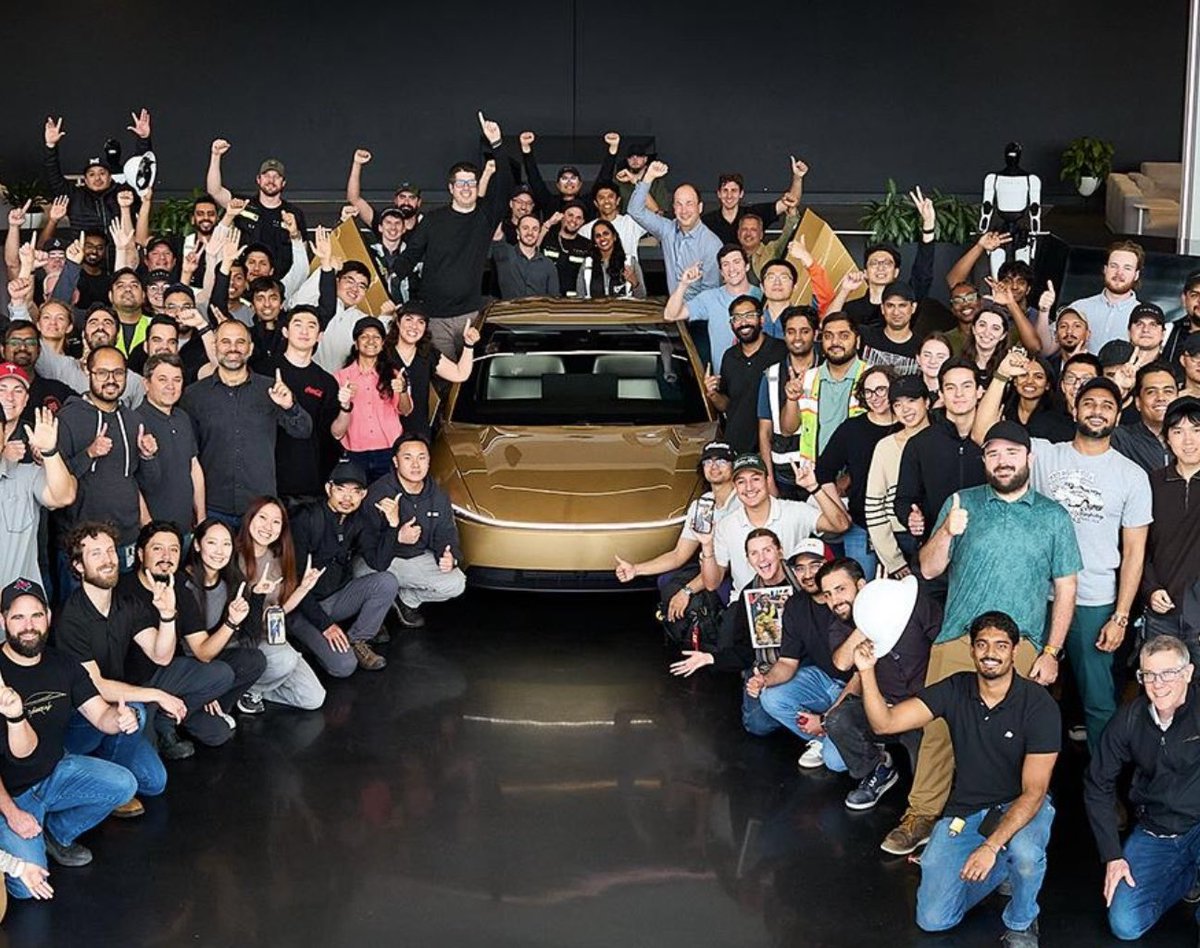
New footage from Giga Texas shows 15 Cybercabs in the outbound lot, finished in a striking "Shiny & Deep Gold" color. All units are equipped with steering wheels, confirming these are pre-fleet test vehicles being used to identify and resolve production line issues as Tesla works to scale output. The sighting signals that the Cybercab ramp is actively progressing beyond initial low-volume builds, with Tesla pushing to increase the number of units rolling off the line ahead of a broader Robotaxi fleet deployment.

📸 Via @JoeTegtmeyer — April 27, 2026
📌 UPDATE — April 24, 2026
Tesla's Cybercab is now being deployed on public roads without any manual driving controls — no steering wheel, no pedals. Vehicles are already autonomously shuttling employees or early testers, marking a significant leap beyond the production milestone reported in this article. Industry trackers @teslascope and @wholemars both flagged the development on April 24, with Teslascope suggesting the official addition of these vehicles to the Robotaxi service could be "days to weeks away."


📌 UPDATE — April 24, 2026
The first mass-produced Tesla Cybercabs are now hitting public roads in Austin. Tesla shared footage of a convoy of early-production Cybercabs testing on Austin streets, marking the first time these factory-fresh units have been seen operating outside Giga Texas. Notably, VIN Zero — the very first mass-produced Cybercab — has been spotted up close, sporting a more vivid, glossy finish compared to earlier prototypes seen at events. The exterior quality upgrade suggests Tesla has refined the paint and panel process since initial unveil units were shown to the public.


📌 UPDATE — April 22, 2026
Tesla VP of Vehicle Engineering Lars Moravy has confirmed that the NHTSA's theoretical 2,500-unit limit for autonomous vehicles does not apply to the Cybercab, clearing a significant regulatory concern that had loomed over large-scale production. This means there are effectively no regulatory caps on how many Cybercabs Tesla can build — the only constraints are the production lines themselves. Moravy also noted that Supervised Self-Driving (V14–) is "getting incredibly good," and confirmed that Semi production is set to begin soon as well.


📌 UPDATE — April 22, 2026
Elon Musk confirmed on X that Cybercab production has officially begun, with Tesla Semi production set to start soon. He cautioned that initial output for both vehicles will be slow before ramping up, adding that Tesla plans to scale production across all vehicles and all factories through the remainder of 2026. On the Robotaxi front, Musk revealed that rigorous safety validation — not hardware or software — is the primary bottleneck to scaling, and highlighted that the team has achieved zero accidents to date.


📌 UPDATE — April 22, 2026
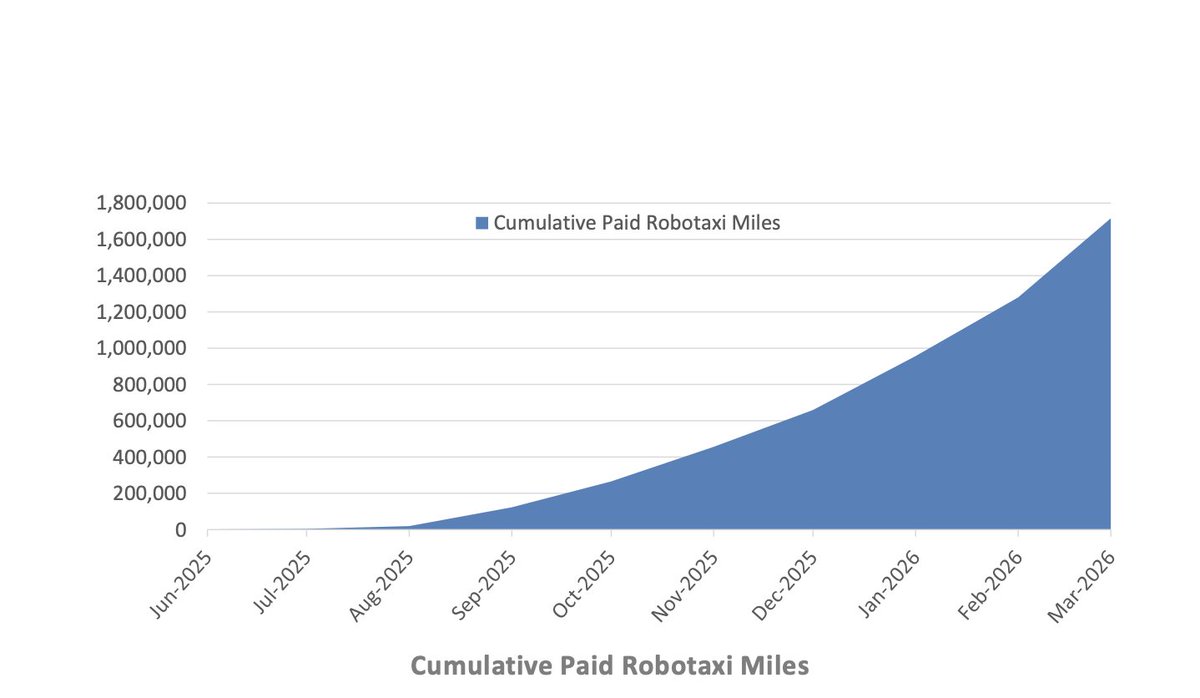
Tesla has confirmed its Robotaxi service is expanding to five new US cities — Phoenix, Miami, Orlando, Tampa, and Las Vegas — with testing and permitting already underway in each market. The company also revealed that paid Robotaxi miles nearly doubled sequentially in Q1 2026, signaling rapid early growth of the service. Perhaps most significantly, Tesla stated that once Cybercab production scales, it is expected to replace the existing Model Y fleet and become the highest-volume vehicle in the Robotaxi network over time — a major strategic signal about the long-term role of the purpose-built robotaxi.


📌 UPDATE — April 22, 2026
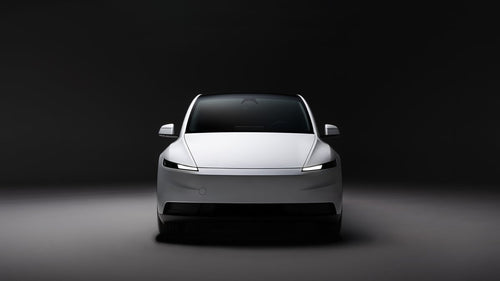
Tesla's Q1 2026 capacity report officially upgrades Cybercab and Tesla Semi from "Tooling" to "Pilot Production" status, and Tesla has confirmed: "We expect volume production of both Cybercab and the Tesla Semi this year." Additionally, Tesla has now publicly released the first official image of the glossy production-spec Cybercab — a vehicle that insiders say looks noticeably different from the wrapped engineering and testing prototypes seen previously. The Q1 report also notes Model S/X capacity removed, Shanghai Megapack capacity reduced to 20 GWh (from 40 GWh), and Optimus added to Texas capacity figures.


30-Second Brief
The News: Tesla has officially started Cybercab production at Gigafactory Texas, while also reporting that paid Robotaxi miles nearly doubled sequentially in Q1 2026.
Why It Matters: Cybercab is set to eventually replace the existing Model Y Robotaxi fleet and become Tesla's highest-volume autonomous vehicle — a pivotal shift in how the service scales.
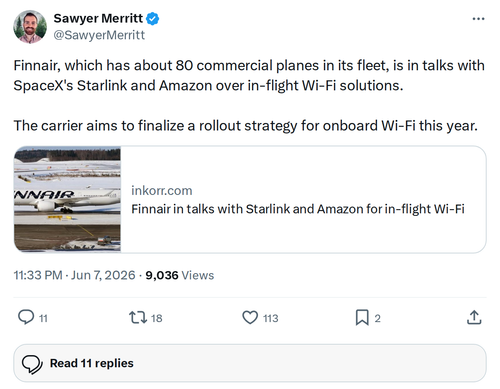
Sources: @SawyerMerritt (1) · @SawyerMerritt (2)
Tesla Cybercab Production Has Started at Giga Texas — And the Robotaxi Fleet Is Growing Fast
It's no longer a concept, a prototype run, or a reveal event clip. As of today, Cybercab production has officially begun at Gigafactory Texas — and Tesla's Q1 Robotaxi numbers make clear the timing is deliberate.

Tesla confirmed the production start alongside a notable operational milestone: paid Robotaxi miles nearly doubled in Q1 sequentially. That's not a projection — that's reported performance, and it signals the service is scaling meaningfully ahead of Cybercab's volume ramp.

📊 Key Figures
| Metric | Value | Context |
|---|---|---|
| Paid Robotaxi Miles Growth (Q1) | ~2x | Sequential quarter-over-quarter |
| Cybercab Production Status | Started | Gigafactory Texas, April 2026 |
| Planned Fleet Role | Highest volume | Will replace Model Y fleet over time |
What Cybercab Replacing Model Y Actually Means
Tesla's statement is precise and worth unpacking: Cybercab will begin to replace the existing Model Y fleet and will become the largest volume vehicle in the fleet over time. This isn't a retirement announcement for Model Y — it's a phased transition strategy.
The current Robotaxi fleet runs on Model Y hardware, which was purpose-adapted for the service. Cybercab is purpose-built from the ground up — no steering wheel, no pedals, designed entirely around autonomous operation. Swapping the fleet backbone from a general-purpose vehicle to a dedicated robotaxi platform is a fundamental operational shift, and it starts now.
For owners watching the self-driving space, this is the moment the Robotaxi service stops being a Model Y experiment and becomes a Cybercab-native operation.
🔭 The BASENOR Take
Timeline: Production started April 2026 at Giga Texas. Fleet transition is described as gradual — no hard cutover date confirmed.
Impact Level: 🔴 High — This is a structural shift in Tesla's autonomous vehicle strategy, not an incremental update.
Confidence: ✅ High — Confirmed directly by Tesla per @SawyerMerritt reporting on official company statements.
The Q1 Robotaxi miles figure is the number that deserves more attention than it's getting. Nearly doubling paid miles in a single quarter — sequentially — means the service is past the proof-of-concept phase. Tesla is running a real, revenue-generating autonomous operation, and it's growing fast enough that they needed Cybercab production to start now to keep pace.
Giga Texas as the production site also makes logistical sense. It's already Tesla's most versatile manufacturing campus, producing Cybertruck and Model Y. Adding Cybercab there concentrates autonomous vehicle manufacturing in one location, which simplifies supply chain management as volume ramps.
The longer-term signal here is about Tesla's fleet economics. A purpose-built robotaxi has lower unit costs, no interior compromises, and is optimized for utilization rate — the metric that matters most in a ride-hailing operation. As Cybercab displaces Model Y in the fleet, the per-mile economics of the Robotaxi service should improve materially. That's the business case Tesla is building toward, and today's production start is the first real step in executing it.

Marcus covers Tesla's software releases, FSD rollouts, and OTA changes. Background in automotive engineering. Based in Austin.
Sources verified at publish time. Spotted an inaccuracy? Email editorial@basenor.com.