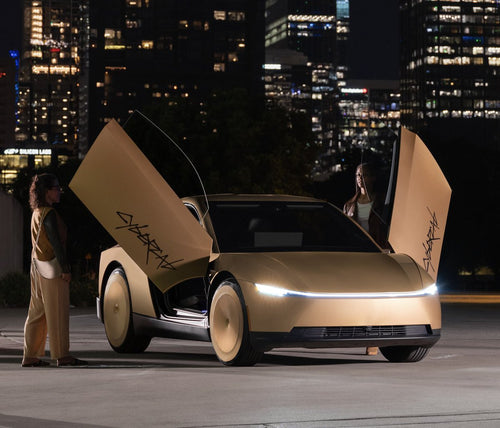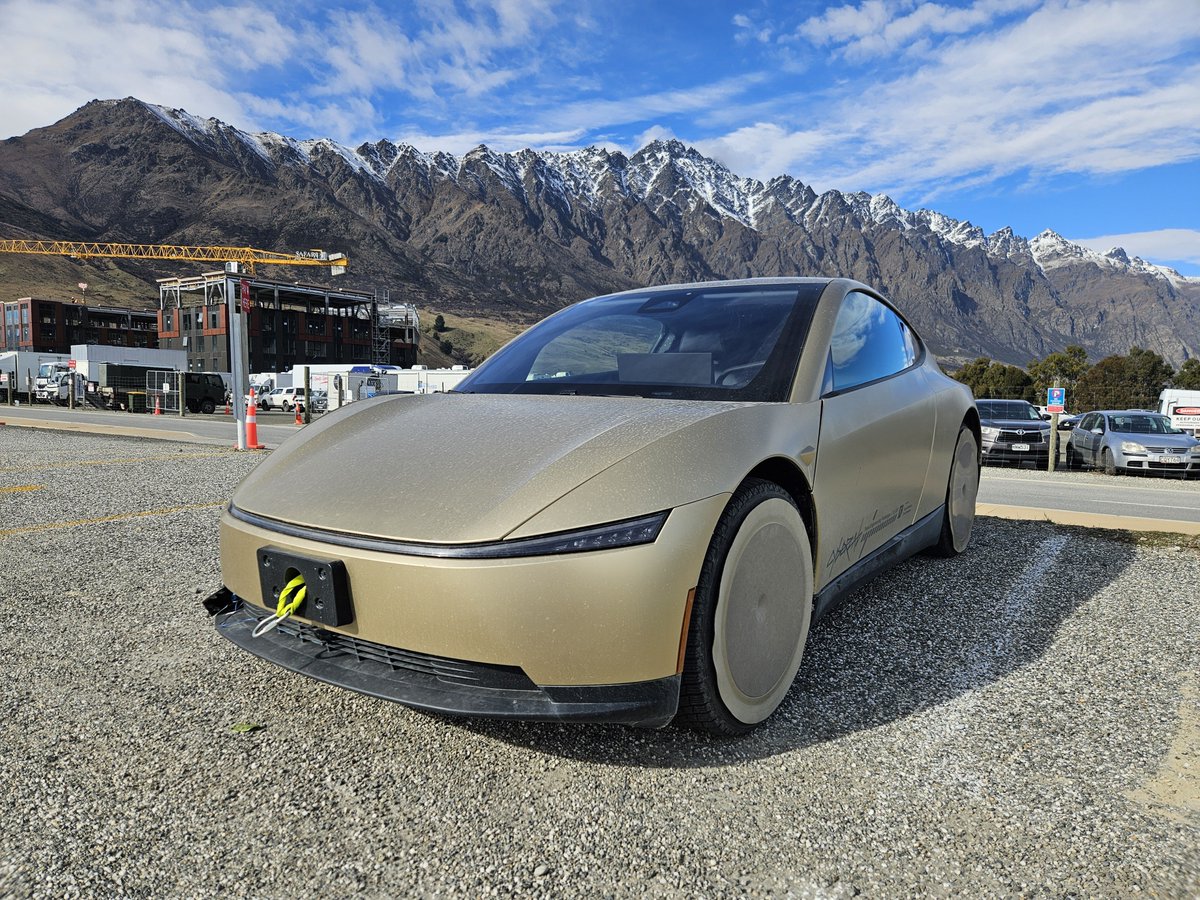
Tesla's Cybercab prototypes have been spotted undergoing rigorous winter testing at the Southern Hemisphere Proving Grounds near Queenstown, New Zealand — and the latest close-up photos reveal something notable: the aero wheel covers on at least one prototype didn't hold up under the harsh cold-weather conditions. Here's what we know, and what it actually means for the vehicle heading toward mass production.

Why is Tesla testing the Cybercab in New Zealand?
New Zealand's Southern Hemisphere Proving Grounds, located near Cardrona between Queenstown and Wanaka, offers something rare: genuine winter conditions during the Northern Hemisphere's summer months. Tesla began transporting Cybercab prototypes there in mid-June 2026, allowing engineers to run cold-weather validation while Gigafactory Texas continues ramping production. It's a smart logistics move — you don't pause a production ramp to wait for Michigan winters.
What exactly failed on the aero wheel covers?
The photos shared by The Tesla Newswire show aero wheel covers that appear damaged or dislodged on at least one prototype. The specific failure mode hasn't been confirmed by Tesla, but cold temperatures are notoriously hard on plastic and polymer components — thermal contraction, ice accumulation, and road debris thrown up by icy surfaces can all stress retention clips and panel fitment. This is precisely the kind of failure you want to find in a controlled test environment, not after customer deliveries begin.

Should this raise concerns about Cybercab build quality?
Not at this stage. These are prototypes — and prototype testing exists specifically to surface weaknesses before they become production problems. According to background reporting, at least some of the Cybercab prototypes in New Zealand are equipped with steering wheels and pedals for human test drivers, a configuration Tesla builds solely for validation and regulatory compliance. The production-intent Cybercab is a two-seater designed without a steering wheel or pedals. Finding a component failure on a test mule is the system working as intended.

What else is Tesla testing out there beyond the wheel covers?
The wheel cover issue is the most visible finding from this campaign, but it's almost certainly not the primary objective. According to background research, the New Zealand testing is focused on validating the Cybercab's vision-based FSD autonomy stack in snow and ice, traction control calibration, and thermal management of the battery and drive systems in sustained cold. A Cybertruck was also observed at the proving grounds, likely serving as a support or chase vehicle. The Cybercab is a front-wheel-drive, single-motor design rated at 219 horsepower per EPA filings — cold-weather traction behavior on FWD platforms requires careful tuning.

Where does Cybercab production stand right now?
Tesla began pilot production of the Cybercab in February 2026, with mass production officially starting in April 2026 at Gigafactory Texas. By July 2026, hundreds of Cybercab units had been spotted near the assembly plant. The announced target price remains under $30,000. The fact that winter testing is still actively running in August — while production is already ramping — suggests Tesla is treating this data as input for ongoing production refinement rather than a pre-production gate.

The aero wheel cover issue is a minor but useful data point: it confirms Tesla is stress-testing components in real-world extremes and, presumably, feeding those findings back into the design. What's worth watching is whether the production Cybercab's wheel covers differ from what we've seen on these test mules — that delta, whenever it appears, will tell us whether the New Zealand campaign actually moved the needle.
🚕 Following the Robotaxi rollout? See every operating city, launch date and announced market in our Tesla Robotaxi Tracker.
Related Gear
Gear up your Tesla with tested, custom-fit BASENOR accessories — shop Tesla accessories →
Sources & reporting notes
The links below identify the material source records used for this report.
- @TeslaNewswire on X (2026-08-07T07:23:38.000Z) — Direct source
Source links are preserved as published or accessed. See our editorial standards and corrections policy.
The BASENOR Editorial Desk covers Tesla, SpaceX, and related technology, curating reporting from primary sources — official accounts, regulatory filings, and software release data. Every article passes source-record and fact-checking review before publication. About the newsroom.
This report was curated by the BASENOR Editorial Desk from the sources listed above. Read our editorial standards or email editorial@basenor.com to report an error.