A Texas city council is doing what most municipalities only talk about — actually running the numbers on whether a Tesla Cybertruck belongs in a police fleet. On October 20, 2026, the Hutto City Council directed staff to conduct a full cost comparison for a proposed three-vehicle Cybertruck trial with its police department. The push came from a council member's own ownership experience, and the city's mayor has made clear that finances will drive the final call.

What exactly did the Hutto City Council decide?
The council didn't approve a purchase — it directed city staff to build a detailed cost comparison between current patrol vehicles and Tesla Cybertrucks. That comparison will cover fuel, maintenance, vehicle longevity, safety features, charging infrastructure, parts availability, warranties, data privacy, liability, and insurance. If the numbers hold up, the city could move forward with a three-vehicle pilot covering the police department and potentially other city departments.
What triggered this evaluation?
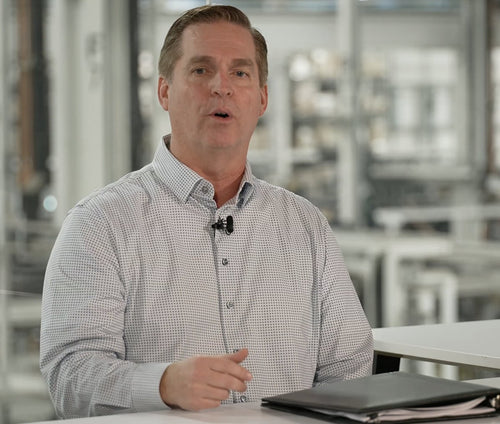
Council member Jerrel Reynolds bought a Cybertruck in April 2026 and was struck by how low his fuel and maintenance costs were compared to a traditional truck. He brought that firsthand experience to the council and made the case that the city should at least look at the math. It's an unusual origin for a municipal fleet decision — personal ownership data turning into official policy consideration — but it's also hard to argue with someone who's actually living with the vehicle.
Has any police department actually done this already?
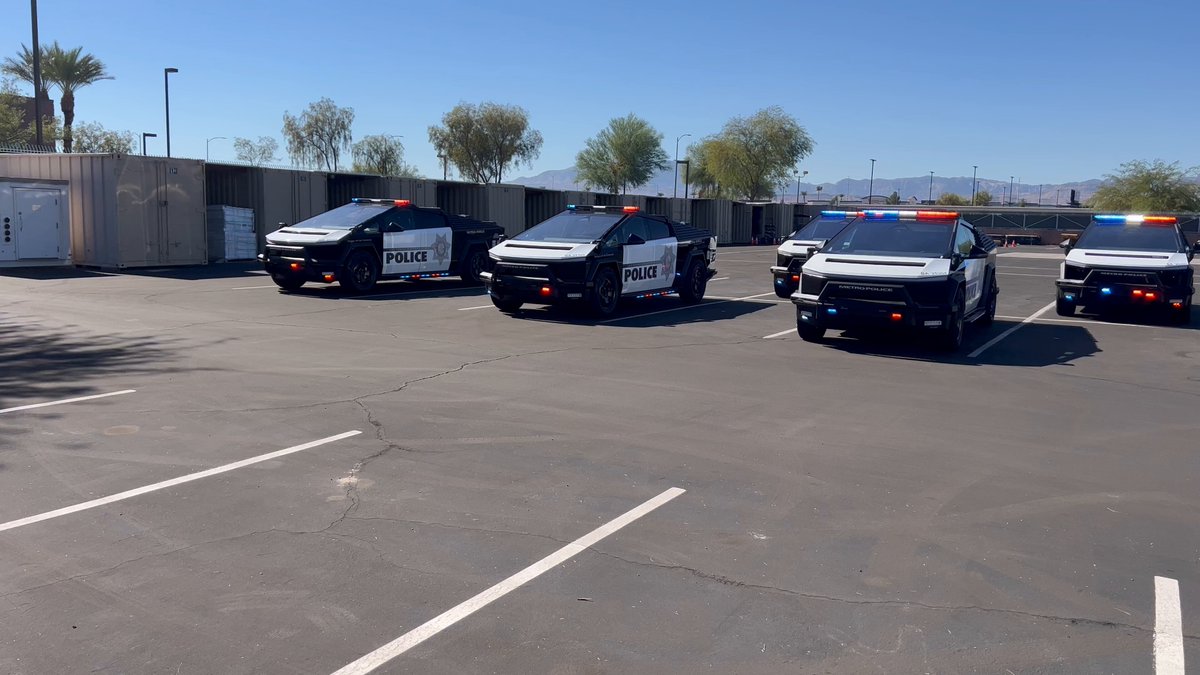
Yes. Reynolds pointed to the Las Vegas Metropolitan Police Department, which operates 10 Cybertrucks in its fleet. He suggested Hutto staff consult with Las Vegas directly to gather real-world operational data before making any recommendation. That's a meaningful reference point — Las Vegas is a large department with documented experience running Cybertrucks in an active law enforcement context, which gives Hutto a live case study rather than just manufacturer claims.
What are the biggest unknowns the city still needs to resolve?
The scope of the evaluation signals where the real questions are. Charging infrastructure is a genuine upfront cost that traditional patrol vehicles don't carry. Parts availability and repair timelines for a vehicle as structurally unconventional as the Cybertruck are legitimate operational concerns for a fleet manager. Data privacy and liability — likely tied to the vehicle's onboard cameras and connectivity — reflect a growing concern municipalities have with any connected vehicle in a law enforcement role. These aren't dealbreakers, but they're the kind of line items that can quietly kill a pilot before it starts.
Where does the process go from here?
City staff will now build out that cost comparison and bring it back to the council. Mayor Mike Snyder has emphasized that financial considerations will be the determining factor — so if the total cost of ownership doesn't pencil out against current patrol vehicles, the pilot won't happen. No timeline for the staff report has been publicly announced, and no purchase decision or trial start date has been set as of October 20, 2026.
Hutto is a fast-growing suburb northeast of Austin with a population pushing 40,000 — not a major metro, but exactly the kind of mid-size city where EV fleet economics can make a compelling case. If the cost comparison comes back favorable, it would add another data point to a slowly building argument that the Cybertruck's operating economics translate beyond personal ownership into public-sector fleets.
Related Gear
Gear up your Cybertruck with tested, custom-fit BASENOR accessories — shop Cybertruck accessories →
Sources & reporting notes
The links below identify the material source records used for this report.
- @SawyerMerritt on X (2026-10-21T00:49:12.000Z) — Direct source
Source links are preserved as published or accessed. See our editorial standards and corrections policy.
The BASENOR Editorial Desk covers Tesla, SpaceX, and related technology, curating reporting from primary sources — official accounts, regulatory filings, and software release data. Every article passes source-record and fact-checking review before publication. About the newsroom.
This report was curated by the BASENOR Editorial Desk from the sources listed above. Read our editorial standards or email editorial@basenor.com to report an error.