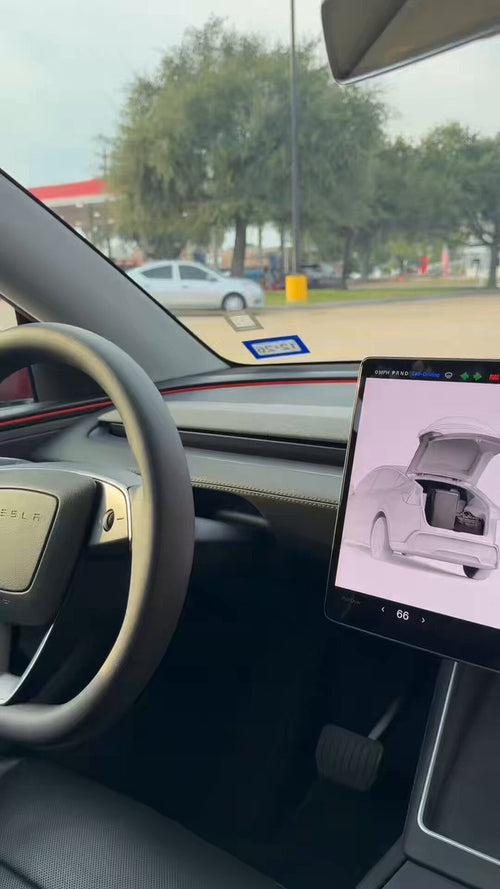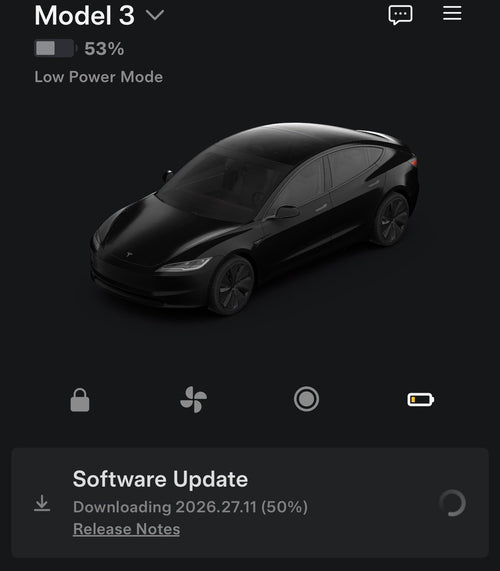
On November 15, 2025, a Tesla Model Y driver began experiencing severe chest pain mid-drive — the early signs of what doctors would later confirm was a massive STEMI heart attack. Unable to safely stop or continue, he called his son. What happened next is one of the most compelling real-world demonstrations of what Tesla's technology stack can do in a genuine emergency.
His son, an authorized driver on the family's Tesla account, used the Tesla app to remotely change the navigation destination to Tanner Medical Center in Carrollton, Georgia. The 2026 Model Y Launch Edition — running FSD Supervised v14.1.3 — took the nearest highway exit, turned around, re-entered the highway, and navigated local roads until it pulled directly in front of the emergency room entrance. His son also called ahead, so ER staff were already standing by when the car arrived.

Doctors confirmed the driver required immediate intervention on three arteries. According to reporting on the incident, physicians stated he would not have survived had he pulled over on the side of the road or attempted to keep driving on his own. The combination of remote rerouting via the Tesla app and FSD's ability to execute that navigation change without driver input was, in the most literal sense, the difference between life and death.
The story was originally shared publicly by the driver's son, Jack Brandt (@JJackBrandt), on X. Tesla North America amplified it this week, and it's a reminder that features like remote destination changes — which most owners associate with convenience — carry a safety dimension that rarely gets discussed. If you share your Tesla account with a family member, they can reroute your car in an emergency even if you can't interact with the screen. That's worth knowing before you ever need it.
📋 Tracking Tesla software? See every firmware, FSD and app version in one place in our Tesla Software Update Tracker.
Related Gear
Gear up your Model Y with tested, custom-fit BASENOR accessories — shop Model Y accessories →
Sources & reporting notes
The links below identify the material source records used for this report.
- @tesla_na on X (2026-06-16T22:09:20.000Z) — Direct source
Source links are preserved as published or accessed. See our editorial standards and corrections policy.
The BASENOR Editorial Desk covers Tesla, SpaceX, and related technology, curating reporting from primary sources — official accounts, regulatory filings, and software release data. Every article passes source-record and fact-checking review before publication. About the newsroom.
This report was curated by the BASENOR Editorial Desk from the sources listed above. Read our editorial standards or email editorial@basenor.com to report an error.