📌 UPDATE — August 4, 2026
Tesla's VP of AI has officially confirmed that the Max Speed control feature will not be returning to FSD (Supervised), putting the debate to rest. This is a direct validation of Ashok's earlier "anti-pattern" framing — the team is doubling down on Speed Profiles as the preferred mechanism for speed customization. Tesla is also actively working on "better learning users' implied preferences," suggesting a more adaptive, behavior-based approach to speed management is on the roadmap. The confirmation aligns with recent comments from Elon Musk hinting at upcoming FSD preference-learning features.

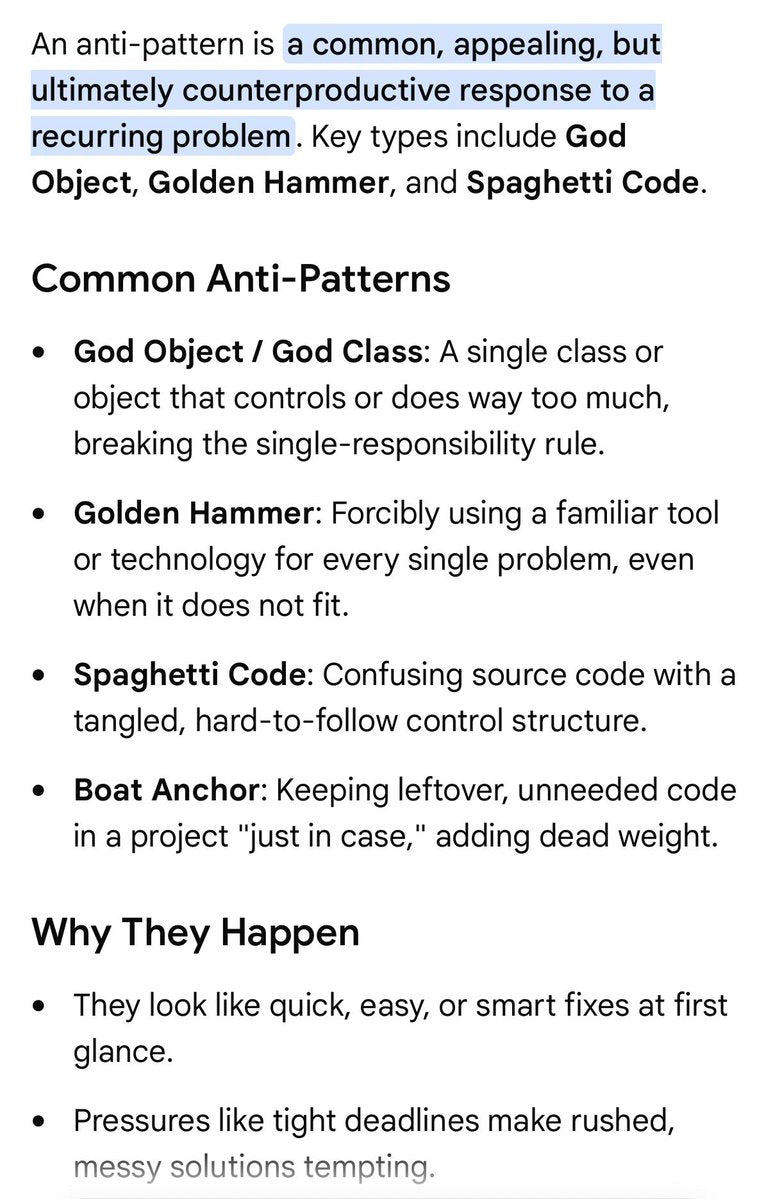
Tesla's Director of Autopilot Software, Ashok Elluswamy, dropped a phrase this week that's worth unpacking: setting a maximum speed in FSD is an anti-pattern. It sounds technical, but the implication is significant — Tesla is designing FSD to eventually determine the right speed on its own, without a human dialing in a ceiling. Here's what that actually means for owners today and where the system is headed.
What exactly is an anti-pattern, and why did Ashok use that term?
In software engineering, an anti-pattern is a solution that feels intuitive and gets used frequently — but actually makes the underlying problem worse. Ashok applied the term to the idea of owners manually setting a hard speed cap for FSD. The argument is that a truly capable self-driving system shouldn't need a human to pre-define its upper limit any more than a skilled driver needs someone in the passenger seat announcing "never go above 68 mph." Baking in a user-defined ceiling creates an artificial constraint that works against the system's ability to reason about context — traffic flow, road type, conditions — and respond appropriately.
Doesn't FSD already let me set a speed? What changes?
Yes, and for now that capability remains. Current FSD (Supervised) lets drivers adjust speed via the steering wheel scroll control and select from driving profiles — Sloth, Chill, Standard, Hurry, and Mad Max — which influence how aggressively the car drives relative to the posted limit. What Ashok is signaling is a longer-term design direction: rather than a blunt speed ceiling set by the driver, the system should learn your implied preferences. According to background research, Elon Musk has separately echoed this, stating that FSD will remember drivers' "specific interventions" to build a personalized driving profile over time. The scroll wheel isn't going away tomorrow, but the philosophy behind relying on it as a primary control is being questioned at the engineering level.

So how would FSD decide what speed is appropriate without my input?
The vision is a system that reads context the way an experienced driver does: posted speed limit, traffic density, road geometry, weather conditions, and — critically — the accumulated record of how you have driven in similar situations. If you've consistently nudged the speed up on a clear highway but backed off through suburban streets, the system should internalize that pattern rather than waiting for you to set a number each time. This is closer to how a human chauffeur learns a client's preferences than how cruise control works. It's a meaningful distinction: one is reactive to a command, the other is predictive based on learned behavior.
Is this just a future roadmap idea, or is it already happening in FSD today?
It's directional for now, but the infrastructure is being built. FSD V14.3.3 rolled out in early June 2026 with reinforcement learning training upgrades and visual encoder enhancements — both of which feed the system's ability to make better contextual judgments. FSD V14.3.6 and a streamlined "FSD V14 Lite" for Hardware 3 vehicles followed in July 2026. These aren't speed-preference features specifically, but they represent the underlying model improvements that would need to be in place before context-aware speed decisions become reliable. Ashok also reported on July 23, 2026, that FSD has now logged over 12 billion real-world miles and is measurably twice as safe as manual driving by Tesla's internal collision metrics — the data foundation that makes a more autonomous speed model credible to pursue.
Should owners be concerned about losing control over speed?
It's worth keeping perspective: FSD is still classified as a driver assistance system requiring constant supervision, and that won't change overnight. The anti-pattern comment is a design philosophy statement, not a removal notice. What it does suggest is that Tesla's long-term UX for FSD will look less like a traditional cruise control interface and more like delegating to a system that knows your preferences. For owners who like precise manual control, that's a genuine philosophical shift — and one worth watching as future updates arrive. For our FSD coverage, that tension between user control and full autonomy is likely to be a recurring theme.
Related Gear
Gear up your Tesla with tested, custom-fit BASENOR accessories — shop Tesla accessories →
Sources & reporting notes
The links below identify the material source records used for this report.
- @wholemars on X (2026-08-04T02:33:30.000Z) — Direct source
- @wholemars on X (2026-08-04T03:35:29.000Z) — Direct source
Source links are preserved as published or accessed. See our editorial standards and corrections policy.
The BASENOR Editorial Desk covers Tesla, SpaceX, and related technology, curating reporting from primary sources — official accounts, regulatory filings, and software release data. Every article passes source-record and fact-checking review before publication. About the newsroom.
This report was curated by the BASENOR Editorial Desk from the sources listed above. Read our editorial standards or email editorial@basenor.com to report an error.