📌 UPDATE — June 29, 2026
Tesla has confirmed that FSD will also roll out to AI3-equipped vehicles in Europe once regulatory approval is secured, expanding availability beyond the initial Germany launch. Additionally, Tesla is preparing significant safety enhancements for the millions of AI3 cars already on the road worldwide. The timeline for EU regulatory approval of FSD on AI3 hardware has not yet been specified, but the confirmation signals Tesla is actively pursuing the expansion across its broader European fleet.


Tesla's Full Self-Driving (Supervised) technology has cleared its biggest regulatory hurdle in Europe. Germany — the continent's largest auto market and historically one of its most demanding regulatory environments — approved FSD and began rolling it out to subscribers on May 22, 2026. For the European FSD story, this is the moment that changes the trajectory.

How Germany Got Approved
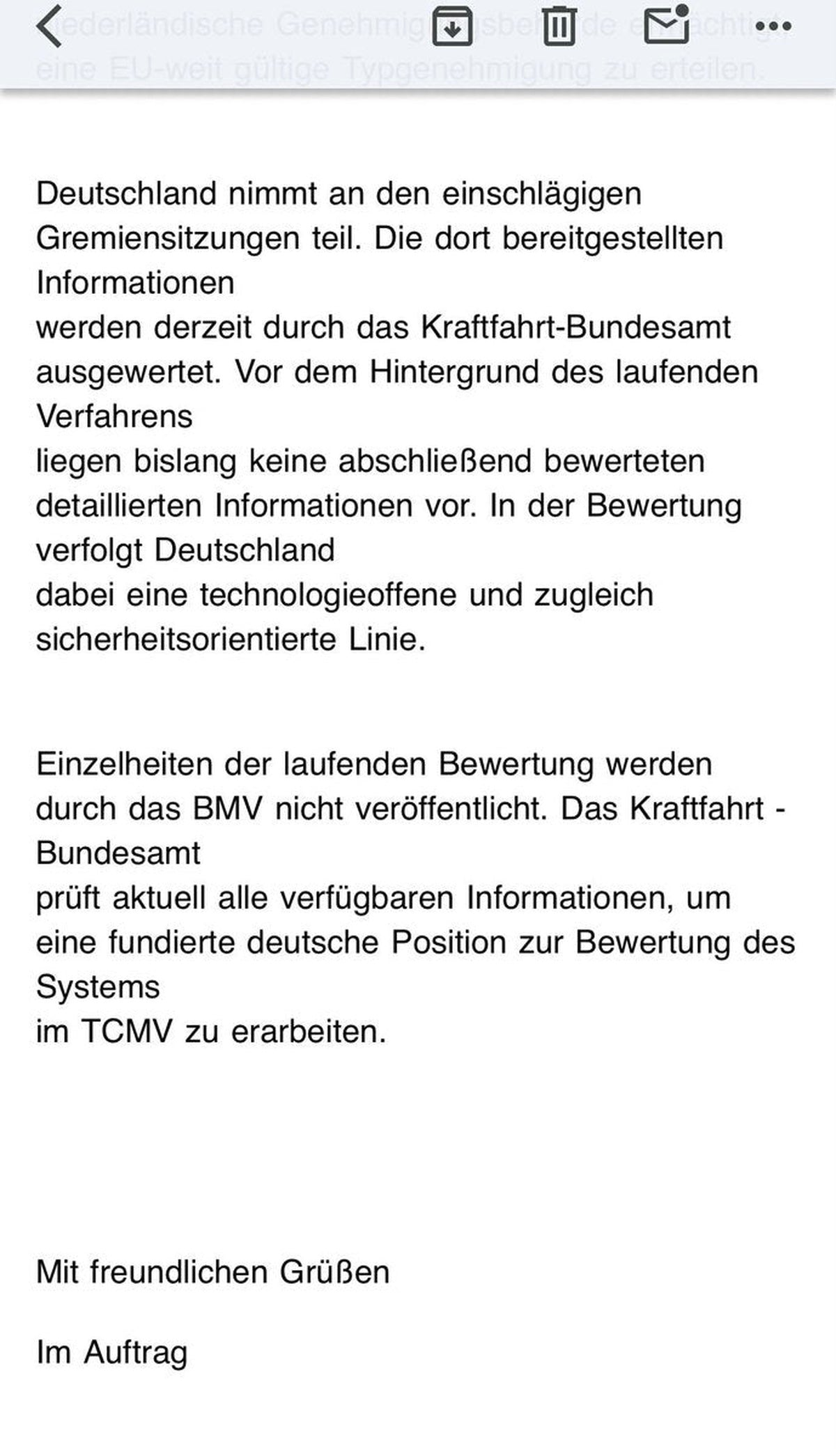
The path to Germany wasn't a standalone national review — it ran through the EU's mutual recognition framework. The Netherlands' vehicle authority (RDW) completed the primary technical assessment and granted provisional EU type approval for FSD in April 2026, triggering a handover to the EU Commission under Regulation (EU) 2018/858, Article 39. Germany's federal vehicle authority (KBA) then adopted that approval, clearing the regulatory path without needing to conduct its own full technical review from scratch.
That structure matters. It means the hard work of proving FSD's safety case to European regulators was done once, in the Netherlands, and the rest of the EU can follow a substantially faster path. The countries that have already gone live — Germany, Sweden, the Netherlands, Lithuania, Estonia, Denmark, and Belgium — are all operating under this same framework.
Pricing and Hardware Details
FSD (Supervised) in Germany runs on a subscription-only model. The one-time purchase option was discontinued on May 21, 2026 — one day before the feature went live. Monthly pricing is set at €99, with a discounted rate of €49 per month available to owners who previously purchased Enhanced Autopilot (EAP).
The version rolling out across European fleets is FSD v14, delivered via software update 2026.8.6. Critically, it supports both Hardware 3 and Hardware 4 vehicles — meaning a large portion of the existing European Tesla fleet is eligible from day one. HW4 vehicles are expected to deliver the smoothest experience given the additional compute headroom, but HW3 owners aren't locked out.
Why Germany Specifically Changes the Calculus
Germany isn't just another market on the list. It's home to BMW, Mercedes-Benz, and Volkswagen — the companies that have spent decades setting the global standard for automotive engineering credibility. Regulatory approval there carries a symbolic weight that approval in smaller markets simply doesn't. When Germany's KBA signs off on an autonomous driving feature, it signals to the broader European regulatory community, to insurers, and to consumers that the technology has passed a serious bar.
That's the subtext behind the reaction from Tesla watchers: Germany's approval doesn't just add one more country to the map. It validates the EU mutual recognition pathway as a viable fast-track for the remaining member states. The countries not yet on the list — France, Italy, Spain, and others — now have a clearer, precedent-backed route to follow.
For Tesla owners across Europe, the question is no longer whether FSD will arrive — it's when their country's authority will complete the paperwork. The technical case has been made. The regulatory machinery is moving. Germany just confirmed it works.
📋 Tracking Tesla software? See every firmware, FSD and app version in one place in our Tesla Software Update Tracker.
Related Gear
Gear up your Tesla with tested, custom-fit BASENOR accessories — shop Tesla accessories →
Sources & reporting notes
The links below identify the material source records used for this report.
- @wholemars on X (2026-06-24T17:03:59.000Z) — Direct source
- @wholemars on X (2026-06-29T09:38:07.000Z) — Direct source
- @wholemars on X (2026-06-29T09:25:11.000Z) — Direct source
Source links are preserved as published or accessed. See our editorial standards and corrections policy.
The BASENOR Editorial Desk covers Tesla, SpaceX, and related technology, curating reporting from primary sources — official accounts, regulatory filings, and software release data. Every article passes source-record and fact-checking review before publication. About the newsroom.
This report was curated by the BASENOR Editorial Desk from the sources listed above. Read our editorial standards or email editorial@basenor.com to report an error.