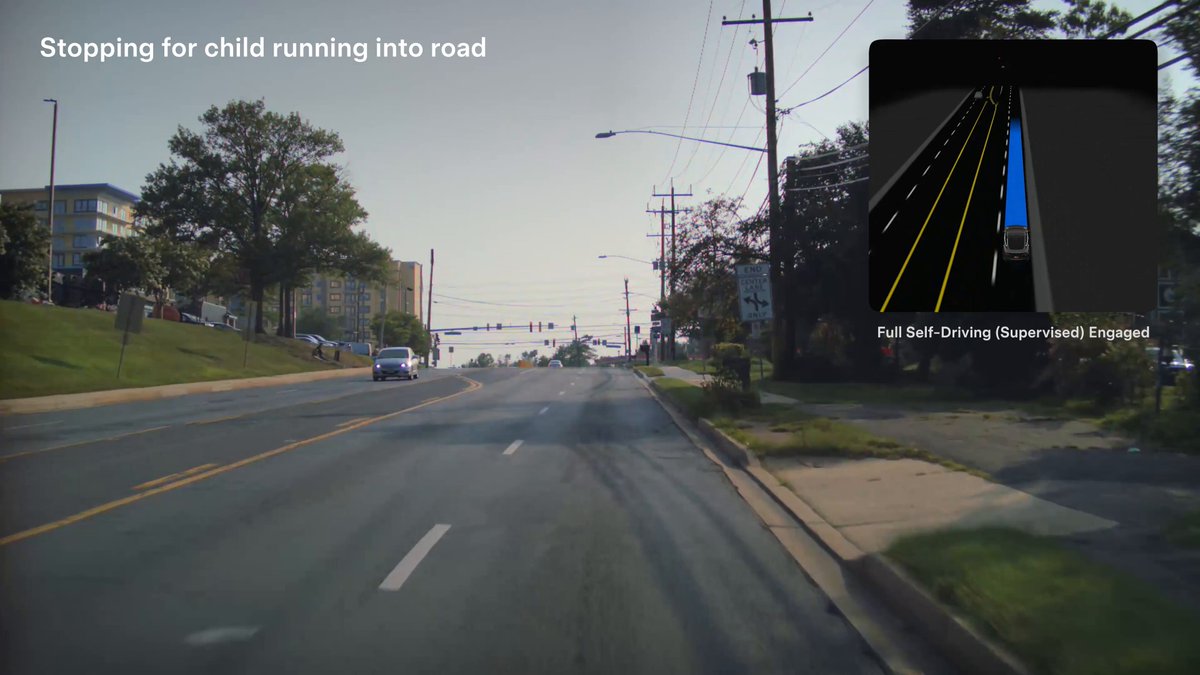
Tesla's Vice President of AI, Ashok Elluswamy, has publicly stated that Full Self-Driving is now measurably safer than a human behind the wheel — by a factor of two. In a post on X, Elluswamy said FSD has accumulated over 12 billion miles of real-world use, and that data shows twice as many miles between collisions compared to manual driving. He credits the gap to a training pipeline that has ingested more than 1,000 lifetimes of driving footage, with corner cases surfaced and re-learned by the neural network.
For owners, this isn't just a marketing line — it's a directional signal about how Tesla wants the fleet to be used, and it has practical implications for how you configure, engage, and monitor FSD on your own car.

What Elluswamy Actually Said
Three specific claims to anchor on, all directly from the source:
- 12 billion miles of cumulative FSD use measured to date.
- 2x the miles between collisions versus manual driving — the metric Tesla uses internally to compare safety.
- 1,000+ lifetimes of driving used as training data, with corner cases explicitly extracted and fed back into the model.
Elluswamy did not publish the raw dataset or a peer-reviewed breakdown alongside the post, so treat the 2x figure as Tesla's internal measurement rather than an independently audited number. That said, 12 billion miles is a substantial sample — and it's the same metric Tesla references in its quarterly Vehicle Safety Report.
What Tesla Owners Should Do Right Now
Whether you're an FSD subscriber, a lifetime-transfer owner, or considering the option, here are concrete steps to take this week.
1. Verify You're on the Latest FSD Build
Safety gains compound with each release. The 2x figure reflects fleet-wide data — including newer versions with materially better performance than older builds. To check:
- Open your Tesla app → tap your vehicle → Software tab.
- Confirm the FSD version listed matches the current public rollout. If an update is pending, plug in and install overnight.
- In-car: Controls → Software to see build number and any queued update.
2. Recalibrate Your Cameras If You Haven't Recently
Camera calibration drift is one of the most common causes of degraded FSD behavior, and it's owner-fixable. If you've had a windshield replacement, driven through severe weather, or notice the car hesitating on familiar routes:
- Go to Controls → Service → Camera Calibration → Clear Calibration.
- Drive 20–30 minutes on well-marked roads to allow recalibration.
- Confirm the calibration icon disappears from the driving visualization.
3. Review Your FSD Engagement Settings
The safety data assumes drivers are actually using FSD in the conditions it's designed for. Walk through these settings:
- Autopilot → Full Self-Driving (Supervised): confirm it's enabled.
- Speed Offset: keep this reasonable — aggressive offsets increase closing-speed risk on interventions.
- Driving Profile: if you've been using Hurry, consider Standard on unfamiliar routes until you trust current-build behavior there.
- Autopilot Suspension: check your Safety Score / strike count in the app. Repeated forced disengagements pull you closer to a temporary FSD lockout.
4. Don't Treat 2x Safer as Hands-Off Permission
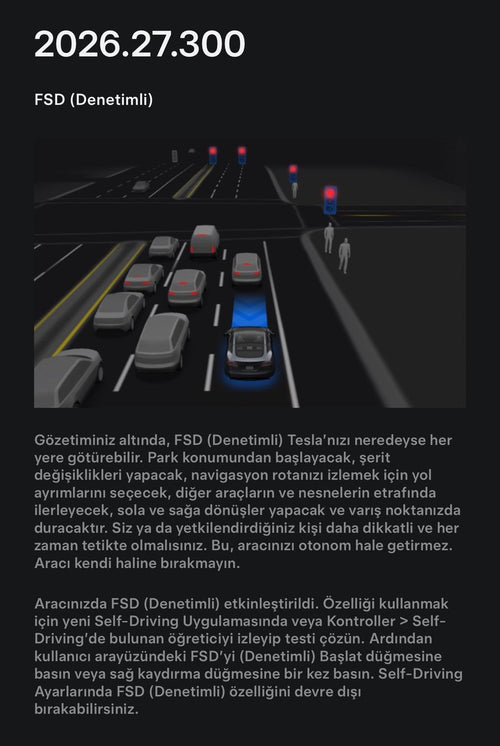
FSD in the consumer fleet is still Supervised. The 2x figure is a fleet-average safety comparison, not a certification that any individual trip can be completed inattentively. Cabin-camera driver monitoring remains active, and Tesla will nag, then strike, then suspend if you look away or defeat the wheel-torque check. Keep eyes on the road and hands available.
5. Log Your Own Corner Cases
Elluswamy specifically called out corner-case extraction as the mechanism behind the improvement. You can contribute directly:
- When FSD does something unexpected — good or bad — press the voice-command button and say "Report" (or press the right-scroll button on newer builds).
- This uploads a short clip and the surrounding vehicle state to Tesla's data pipeline for review.
- Consistent reporting from your specific routes helps Tesla surface edge cases that don't appear in the general fleet.
How to Read the 2x Number
Miles-between-collisions is a legitimate safety metric, but it comes with caveats worth understanding before you quote the figure at your next dinner party:
- Selection bias: FSD is used disproportionately on highways and well-mapped suburban roads — statistically safer environments than the average manual mile.
- Vehicle age: the FSD fleet skews newer, with modern passive safety hardware (structural improvements, updated airbag deployment, etc.).
- Driver population: owners who buy or subscribe to FSD tend to be more engaged with vehicle tech and may drive more attentively when supervising it.
None of this invalidates the 2x claim — but it does mean the real safety uplift attributable to the software alone is likely different from the headline number. Tesla's own internal comparisons attempt to normalize for these factors, though the methodology has not been made fully public.
What to Watch Next
Two things are worth tracking after this statement:
- The next Vehicle Safety Report: Tesla typically publishes updated miles-per-crash figures quarterly. Compare the FSD-engaged vs. non-engaged split against Elluswamy's claim.
- Regulatory response: NHTSA has an active interest in FSD performance data. Public 2x claims tend to attract follow-up requests for the underlying methodology.
Bottom line: if you have FSD, the software is genuinely getting better, and the actions above will make sure your car is benefiting from it. If you're on the fence about subscribing, the 12-billion-mile milestone is the strongest fleet-level data point Tesla has published to date — but supervise it like the beta it still legally is.
Related Gear
Gear up your Tesla with tested, custom-fit BASENOR accessories — shop Tesla accessories →
Sources & reporting notes
The links below identify the material source records used for this report.
- @aelluswamy on X (2026-07-23T04:35:41.000Z) — Direct source
Source links are preserved as published or accessed. See our editorial standards and corrections policy.
The BASENOR Editorial Desk covers Tesla, SpaceX, and related technology, curating reporting from primary sources — official accounts, regulatory filings, and software release data. Every article passes source-record and fact-checking review before publication. About the newsroom.
This report was curated by the BASENOR Editorial Desk from the sources listed above. Read our editorial standards or email editorial@basenor.com to report an error.