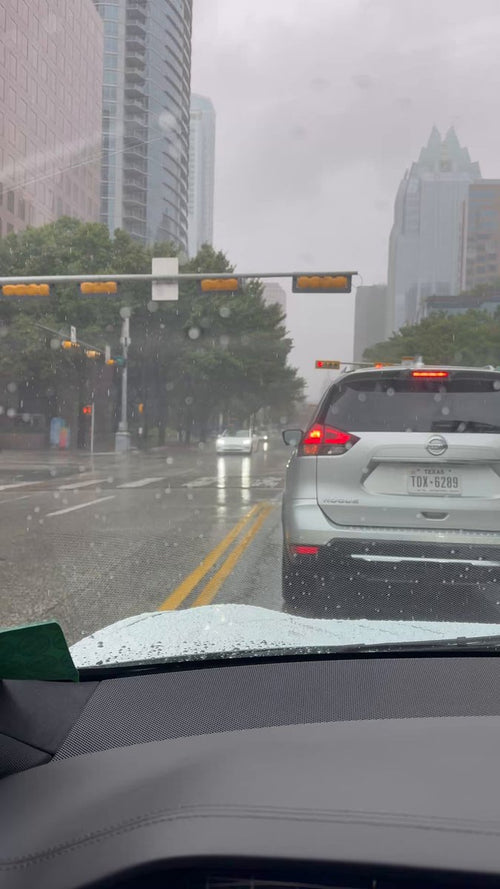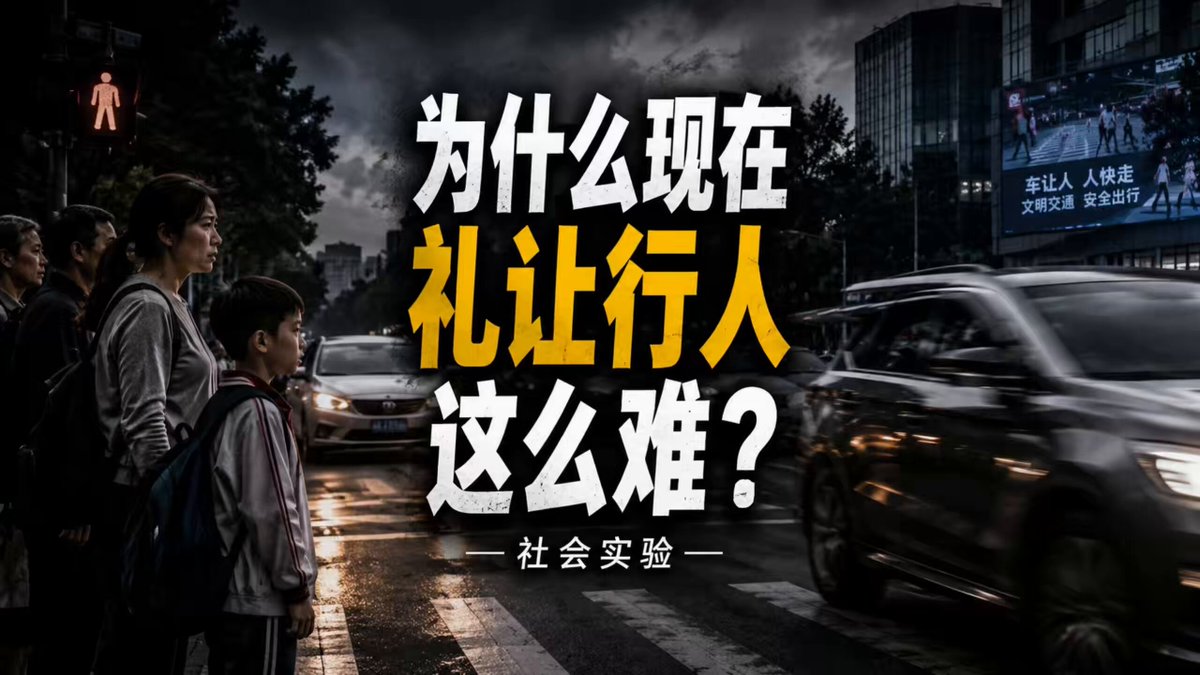
In China's busy urban traffic, pedestrians waiting at crossings are routinely ignored by human drivers. Tesla's FSD Supervised system — now officially available in China as Tesla Assisted Driving (TAD) — behaves differently: when it detects that a pedestrian intends to cross, it proactively slows down or stops, even before the person steps off the curb.

The observation comes from longtime Tesla watcher Ray (@ray4tesla), who notes that anyone who has spent time in China will recognize the gap between local driving norms and how FSD handles the same situation. The system uses prediction modeling to anticipate multiple possible pedestrian paths — including sudden movements into the street — and responds with a yield rather than a bluff. According to background research into FSD's China rollout, reviewers have described the system as almost "too polite" around pedestrians and electric scooters, willing to wait, read a crowded intersection, and then find a careful path forward.
The underlying capability is vision-based: eight external cameras process over one million pixels of visual data every millisecond, trained on billions of miles of real-world driving data across a wide range of scenarios. That training base is what allows FSD to interpret intent — not just react to movement already in progress — which is the meaningful distinction from a driver who simply waits until a pedestrian is already in the road.
Tesla officially confirmed FSD Supervised's availability in China on May 21, 2026, though a full nationwide rollout to all eligible vehicles is still pending regulatory approval, with Tesla targeting Q3 2026 for that milestone. The system remains classified as Level 2 driver assistance, requiring active supervision at all times. For Chinese buyers, the one-time purchase price sits at 64,000 yuan (approximately $9,400 USD) — a monthly subscription option has not yet been introduced in that market.
Ray's post ends with an implied question about how China's leading domestic EV brands compare on this specific behavior — a benchmark that will only become more relevant as FSD's China footprint grows and local regulators watch closely how AI-driven systems handle the country's uniquely complex pedestrian dynamics.
Related Gear
Gear up your Tesla with tested, custom-fit BASENOR accessories — shop Tesla accessories →
Sources & reporting notes
The links below identify the material source records used for this report.
- @ray4tesla on X (2026-06-25T16:28:51.000Z) — Direct source
Source links are preserved as published or accessed. See our editorial standards and corrections policy.
The BASENOR Editorial Desk covers Tesla, SpaceX, and related technology, curating reporting from primary sources — official accounts, regulatory filings, and software release data. Every article passes source-record and fact-checking review before publication. About the newsroom.
This report was curated by the BASENOR Editorial Desk from the sources listed above. Read our editorial standards or email editorial@basenor.com to report an error.