📌 UPDATE — August 18, 2026
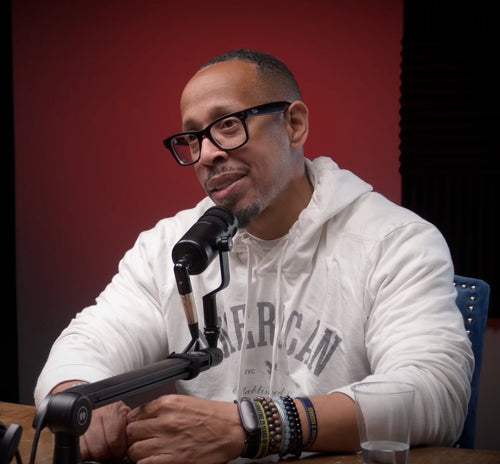
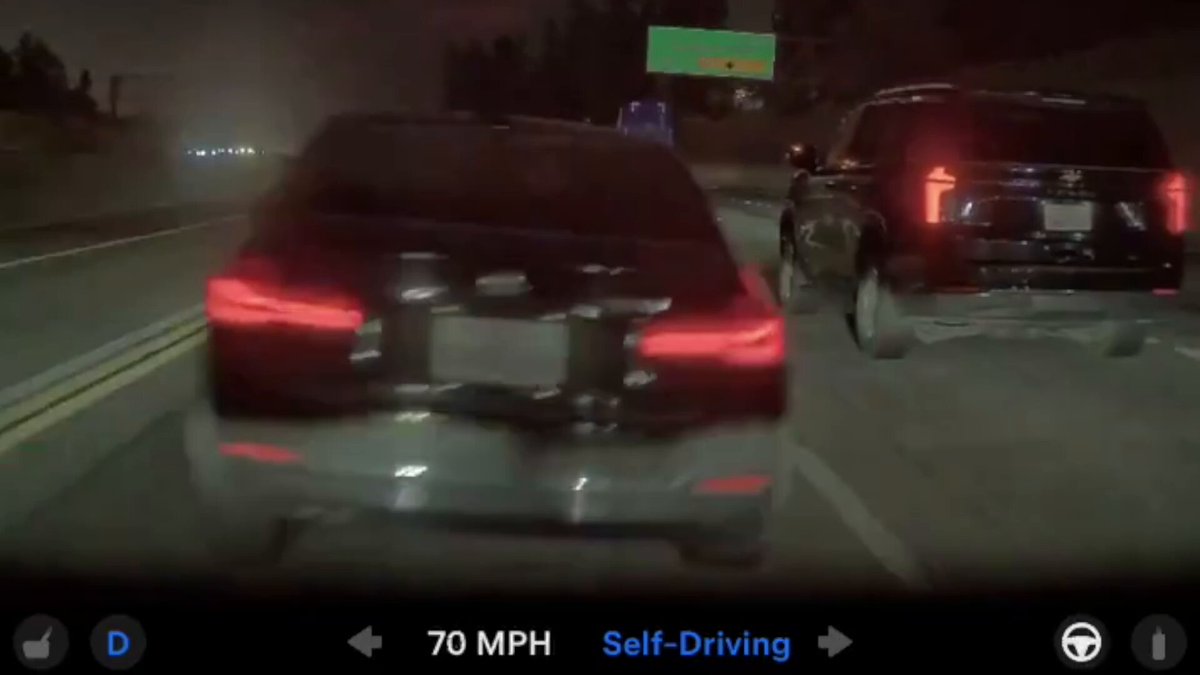
Tesla FSD 14.3.7 is showing refined obstacle detection in the latest owner footage. Popular Tesla YouTuber @DirtyTesLa shared a clip on August 18 demonstrating the system successfully identifying and navigating around debris in the roadway — a scenario that has historically challenged earlier FSD versions. The maneuver appears smooth and proactive, with the car adjusting its path well ahead of the obstacle rather than reacting at the last moment. This adds to the growing body of real-world evidence that FSD V14's iterative point releases continue to improve edge-case hazard handling beyond the headline collision-avoidance scenarios covered in our original report.

Source: @DirtyTesLa, Aug 18 2026
A new video compilation from Tesla commentator Sawyer Merritt, published August 17, 2026, puts FSD (Supervised) V14's accident avoidance capabilities on full display — sharp collision dodges, pedestrian near-misses, and animal encounters avoided at highway speeds. The footage isn't a demo reel; it's crowdsourced from real owners in real situations. If you're running FSD on your Tesla, there are a few things worth checking right now to make sure you're getting the full benefit of these protections.

What the Footage Actually Shows
The compilation covers a range of real-world scenarios that would challenge any driver: a head-on near-miss on a curved road where FSD V14 executed a sharp avoidance maneuver before the driver could react, a highway situation where the system decelerated a vehicle from 82 mph to a full stop as crashed cars and smoke appeared ahead, and multiple pedestrian and animal encounters handled cleanly. Several clips include live self-driving data overlays, making it possible to see exactly what the system perceived and when it acted.
Tesla's official account acknowledged the curved-road clip specifically, and Tesla AI engineer Yun-Ta Tsai weighed in on the footage. Ashok Elluswamy, Tesla's AI software chief, also praised a separate highway stop clip recorded August 1. These aren't just community feel-good posts — Tesla's own engineering team is pointing to this footage as evidence of the system's current capability.
The Numbers Behind the Safety Claims
According to Tesla's own data, as of February 2026, vehicles with FSD (Supervised) engaged in North America recorded one major collision every 5,300,676 miles — compared to the U.S. average of one every 660,164 miles over the same period. That's roughly an 8x difference in collision frequency. Tesla has stated the system makes vehicles approximately 7 times safer than the average U.S. driver. Tesla's European account separately released a compilation on August 14 showing FSD avoiding accidents across 19 countries, suggesting the safety performance extends well beyond North American roads.
Which Version Are You Running — and Does It Matter?
The demonstrated capabilities are tied to FSD V14. If you have a Hardware 4 (HW4) vehicle, FSD v14.3.7 is currently rolling out. Hardware 3 (HW3) owners began receiving FSD v14.1 Lite (firmware 2026.21.6) in a limited early access rollout around August 8–9, 2026. Both versions include documented improvements to collision avoidance. The gap between HW3 and HW4 performance remains real, but HW3 owners are no longer sitting on V13-era software.
Action Plan: Get the Most From FSD Safety Features
- Check your software version. Go to Controls → Software on your touchscreen. If you're on HW4 and not yet on v14.3.7, make sure you're enrolled in early access (Controls → Software → Software Update Preference → Advanced). HW3 owners should look for v14.1 Lite arriving over the coming weeks.
- Confirm FSD is active, not just Autopilot. Basic Autopilot and Enhanced Autopilot do not include the full collision avoidance stack that V14 uses. FSD (Supervised) must be engaged for the system to perform the kind of interventions shown in the compilation. Check Controls → Autopilot to confirm your subscription or purchase status.
- Don't override the system during alerts. Several clips in the compilation show the system acting faster than the driver could have. If FSD initiates a hard brake or steering correction, resist the instinct to counter-steer or release the brake — the system has already processed the threat. Your job is to stay alert and take over only if the system's response is clearly wrong.
- Keep your cameras clean. FSD V14's perception relies entirely on the eight external cameras. Dirty or obscured lenses — especially the front and rear pillar cameras — degrade the system's ability to detect pedestrians and animals at the edge of the field of view. A quick wipe before highway drives is worth the 30 seconds.
- Submit your own clips. Sawyer Merritt crowdsourced this compilation from owner submissions. If your Tesla intervenes and prevents an accident, the footage is stored in your dashcam's TeslaCam folder (USB drive required). Saving and sharing these clips contributes to the public record of FSD's real-world performance.
The footage circulating this week is a useful reminder that the most consequential FSD capability isn't navigating a freeway interchange — it's the split-second interventions that happen before a driver even registers a threat. Making sure your vehicle is on the latest version and your cameras are clear is the simplest thing you can do to ensure those interventions happen when it counts. For more on FSD's development, see our FSD coverage.
Related Gear
Gear up your Tesla with tested, custom-fit BASENOR accessories — shop Tesla accessories →
Sources & reporting notes
The links below identify the material source records used for this report.
- @SawyerMerritt on X (2026-08-17T22:04:37.000Z) — Direct source
Source links are preserved as published or accessed. See our editorial standards and corrections policy.
The BASENOR Editorial Desk covers Tesla, SpaceX, and related technology, curating reporting from primary sources — official accounts, regulatory filings, and software release data. Every article passes source-record and fact-checking review before publication. About the newsroom.
This report was curated by the BASENOR Editorial Desk from the sources listed above. Read our editorial standards or email editorial@basenor.com to report an error.