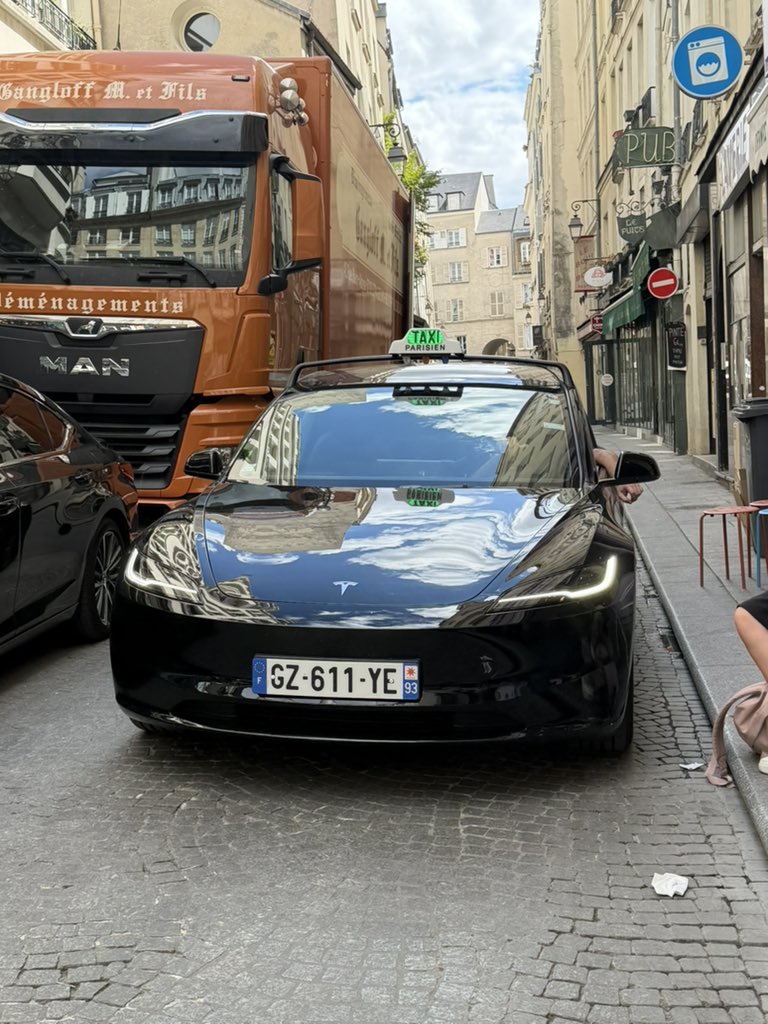
A photo making the rounds on X shows Tesla Model 3 sedans operating as taxi cabs in Paris — a visual confirmation that EV adoption in one of Europe's busiest ride-hailing markets is well past the experimental stage. For fleet operators and Tesla owners alike, the story behind those white cabs is more nuanced than a single snapshot suggests.

1. Paris Has Been Running Model 3 Taxis for Years
This isn't a pilot program. Parisian taxi operator G7 — one of the city's largest fleets — was already running 37 Tesla Model 3 vehicles before a high-profile incident in December 2021 briefly paused operations. Investigations by both G7 and Tesla found no technical fault with the vehicle, and France's Transport Minister confirmed the same. The fleet returned to service by March 2022 after drivers completed additional training on the vehicle's systems. What the current photos show is a mature, ongoing deployment, not a fresh experiment.
2. The Economics Are Hard to Argue With
Fleet operators don't run Model 3s for the badge — they run them because the numbers work. Annual maintenance costs for the Model 3 were reported at $1,143 in a January 2025 study, roughly 30% below the average for comparable vehicles. Taxi drivers in Europe have reported savings of approximately €400 per month switching from diesel, driven primarily by lower fuel and servicing costs. With fewer moving parts than an internal combustion engine, the powertrain simply demands less attention over high-mileage cycles.
3. High-Mileage Durability Has Been Field-Tested
Skeptics once questioned whether a Tesla could hold up under the punishment of commercial taxi use. The data from operators who've pushed past 100,000 to 300,000 miles tells a consistent story: the drivetrain holds, with the most common interventions being control arm replacements and 12V battery swaps — the same wear items you'd expect on any high-mileage vehicle. OTA software updates mean the car can also be improved remotely without a workshop visit, which matters when downtime costs money.
4. Paris Is a Meaningful Proof Point for European EV Adoption
Paris isn't a small market. Its taxi sector operates under strict licensing, emissions scrutiny, and passenger volume pressure that would expose any reliability weakness quickly. The fact that Model 3s have survived and expanded in that environment carries weight for other European cities watching closely. Commercial fleet adoption tends to accelerate broader consumer confidence — if a taxi operator trusts a vehicle with 12-hour daily shifts, private buyers notice.
5. The Cybercab Is Coming, But Model 3 Fleets Aren't Going Anywhere Yet
Tesla began Cybercab production in February 2026, targeting a fully autonomous, human-driver-free ride-hailing future at a price point under $30,000. That's a genuinely different product category — no steering wheel, no pedals, purpose-built for robotaxi deployment. But the transition won't happen overnight, and regulatory approval for driverless commercial operation in European cities is a separate, longer-horizon challenge. For the foreseeable future, the Model 3 remains the practical workhorse for operators who need a licensed driver behind the wheel today.
The Paris taxi scene is a small but telling data point: the Model 3 has earned its place in commercial fleet operations through performance, not marketing. As cities across Europe tighten emissions rules, expect the footprint to grow before the Cybercab ever replaces it.
🚕 Following the Robotaxi rollout? See every operating city, launch date and announced market in our Tesla Robotaxi Tracker.
Related Gear
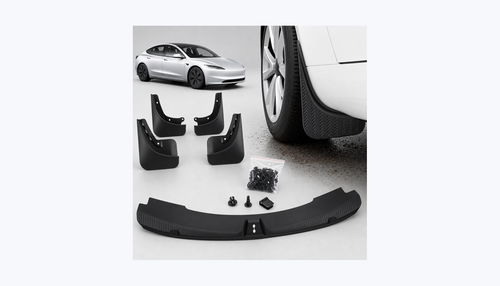
Gear up your Model 3 with tested, custom-fit BASENOR accessories — shop Model 3 accessories →
Sources & reporting notes
The links below identify the material source records used for this report.
- @wholemars on X (2026-08-05T10:27:48.000Z) — Direct source
Source links are preserved as published or accessed. See our editorial standards and corrections policy.
The BASENOR Editorial Desk covers Tesla, SpaceX, and related technology, curating reporting from primary sources — official accounts, regulatory filings, and software release data. Every article passes source-record and fact-checking review before publication. About the newsroom.
This report was curated by the BASENOR Editorial Desk from the sources listed above. Read our editorial standards or email editorial@basenor.com to report an error.