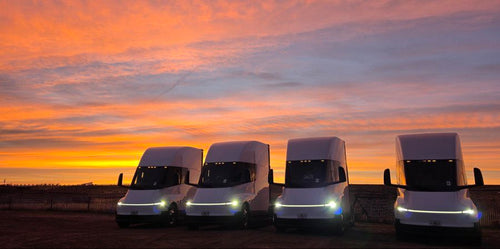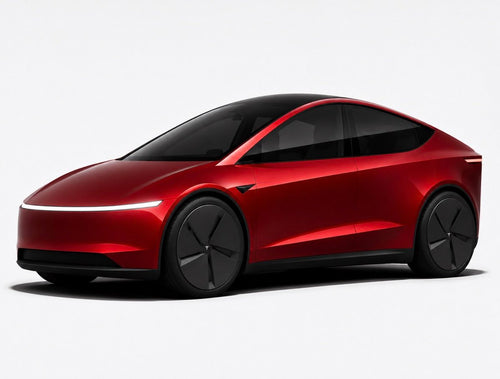

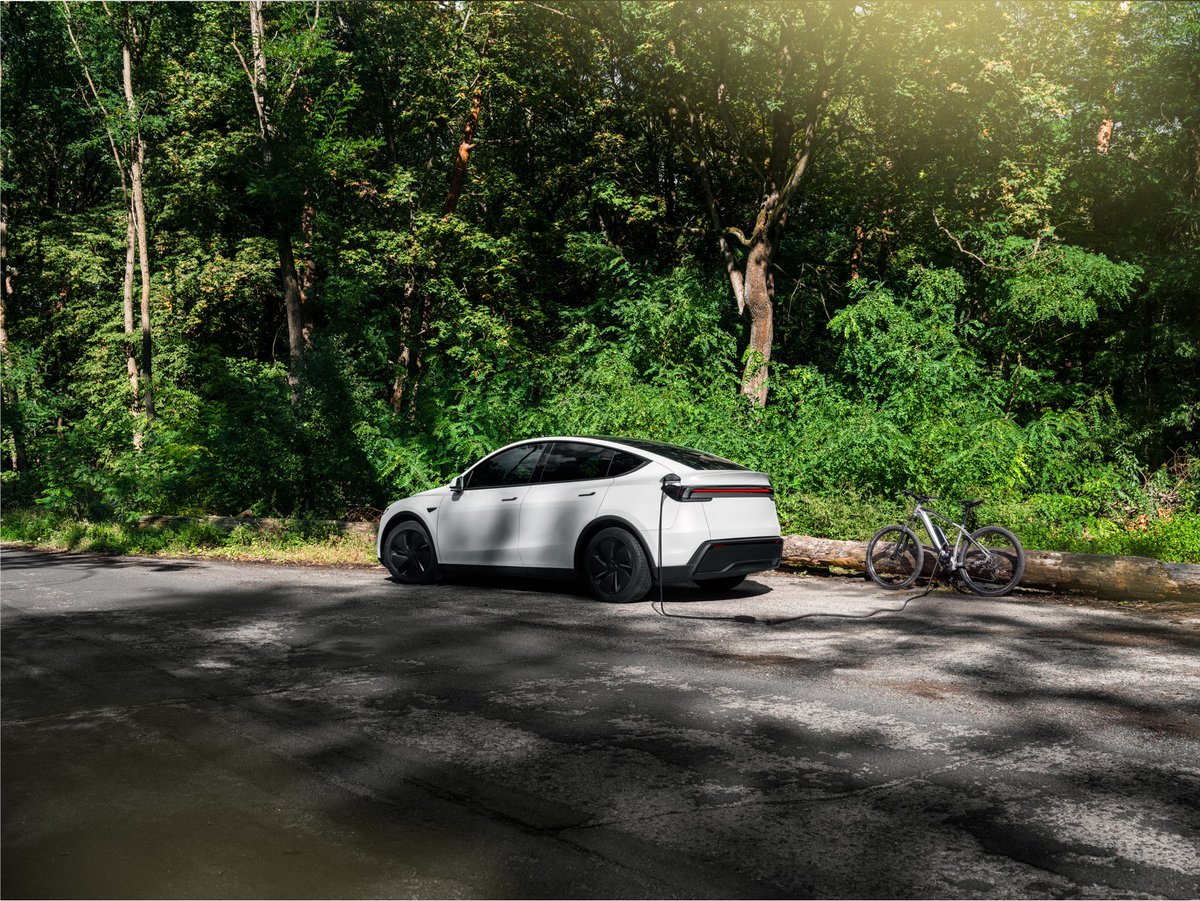
Tesla has made Vehicle-to-Load (V2L) Powershare a standard feature on every new Tesla sold globally. Whether you're in Malaysia, the US, or Australia, if you're buying a new Model 3, Model Y, or Cybertruck today, your car can now power external devices directly from its battery. Here's everything owners need to know.

1. What Powershare Actually Does
V2L — Vehicle-to-Load — lets your Tesla act as a mobile power station. Plug in appliances, power tools, camping gear, or even medical equipment directly from your car's high-voltage battery. Think of it as a generator that never needs fuel and recharges at any Supercharger. The rollout makes this a factory-standard capability rather than a premium add-on, putting Tesla in line with (and in many cases ahead of) other EVs that have offered V2L for years.
2. The Global Rollout Timeline
This didn't happen overnight. According to background research, Tesla has been systematically enabling Powershare market by market since October 2026. Australia and New Zealand were first on October 2, followed by Malaysia and Singapore around October 17–19, then the US and Mexico on October 27. All new 2027 Model 3 and Model Y vehicles ordered on or after October 1, 2026 include Powershare as standard. The Malaysia announcement from Tesla's official account on November 12 confirms the feature is fully live for local buyers.
3. What Hardware You Actually Need
The answer depends on which Tesla you drive. For Model 3 and Model Y, you'll need the Tesla Outlet Adapter — a separate accessory that plugs into the car's charge port. In Malaysia, this is priced at RM350 and delivers up to 230V at 13A (approximately 2.99 kW). In the US, the same adapter costs around $80 USD and outputs up to 2.4 kW at 120V/20A. The Cybertruck is a different story entirely: AWD and Cyberbeast variants come with two 120V/20A outlets in the cabin and two 120V outlets plus one 240V/40A outlet in the cargo bed — no adapter required for basic use.
4. How to Check if Your Car Supports It
Not every existing Tesla on the road is Powershare-capable, so don't assume. To verify, navigate to Software → Additional Vehicle Info on your car's touchscreen and look for Powershare Support: Enabled. If it's not there, your vehicle may not have the required hardware. According to background research, Tesla published an official service procedure in August 2026 allowing owners of US-built Model Y vehicles to upgrade their power conversion system to unlock V2L — though retrofit pricing hasn't been confirmed. Existing Model 3 vehicles, unfortunately, cannot be retrofitted.
5. What This Isn't (V2H and V2G Are Still Different)
It's worth being precise here. Powershare is V2L — powering devices and appliances. It is not Vehicle-to-Home (V2H) or Vehicle-to-Grid (V2G), which involve bidirectional energy flow back into a home's electrical panel or the utility grid. Those capabilities require additional infrastructure and are a separate conversation. For now, Powershare is the practical, accessible version: plug in your devices, get power. That's a meaningful upgrade for camping, job sites, and emergency backup — but it won't replace your Powerwall.
With Powershare now standard across the entire new Tesla lineup globally, the feature moves from novelty to expectation. The remaining question for many owners is the retrofit path — particularly for Model 3 drivers who currently have no official upgrade option. Tesla's next move on that front will be worth watching.
Related Gear
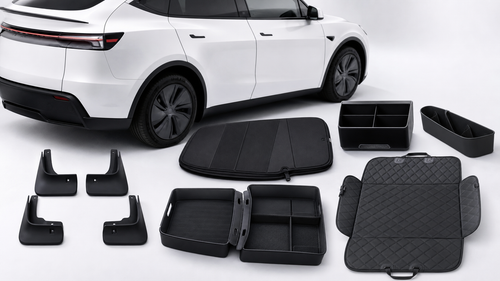
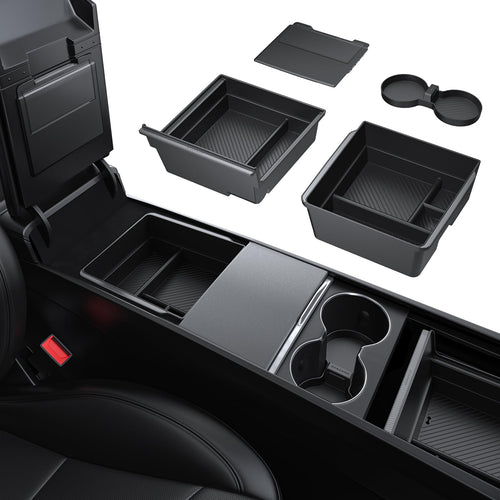
Gear up your Tesla with tested, custom-fit BASENOR accessories — shop Tesla accessories →
Sources & reporting notes
The links below identify the material source records used for this report.
- @Tesla_Malaysia on X (2026-11-12T10:41:20.000Z) — Direct source
Source links are preserved as published or accessed. See our editorial standards and corrections policy.
The BASENOR Editorial Desk covers Tesla, SpaceX, and related technology, curating reporting from primary sources — official accounts, regulatory filings, and software release data. Every article passes source-record and fact-checking review before publication. About the newsroom.
This report was curated by the BASENOR Editorial Desk from the sources listed above. Read our editorial standards or email editorial@basenor.com to report an error.