📌 UPDATE — 4 March 2026
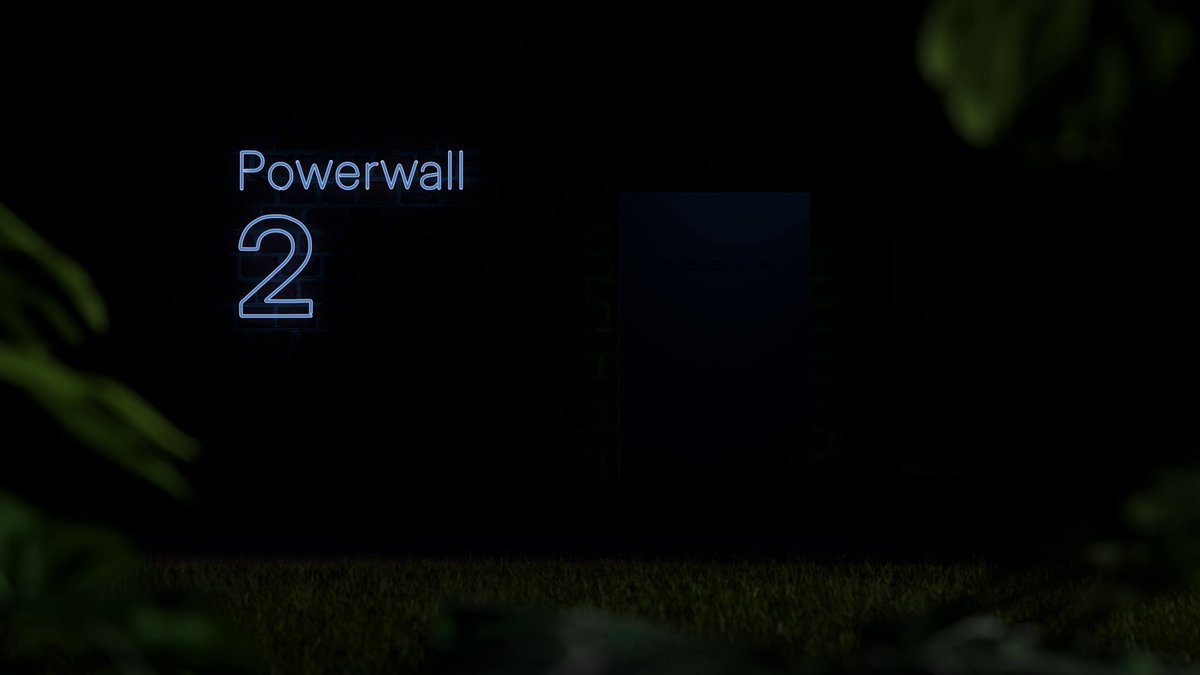
Tesla has confirmed it will soon release a dedicated software update to enable combined operation of Powerwall 2, Powerwall 3, and Powerwall 3 Expansion units together — and Australia and New Zealand will be first in line to receive it. This is the clearest signal yet that the multi-unit integration isn't just a hardware capability, but will be formally unlocked via an over-the-air update. No specific rollout date has been announced, but AU/NZ customers with mixed Powerwall setups should ensure their systems are connected and firmware is up to date ahead of the release.
View on X — @TeslaNewswire, 4 Mar 2026
The News: Tesla Australia & New Zealand has officially announced that Powerwall 2 owners will soon be able to add a Powerwall 3 unit to their existing home energy installations.
Why It Matters: This is a significant reversal from Tesla's previous stance that Powerwall 3 could not be integrated with Powerwall 2 systems — giving hundreds of thousands of existing AU/NZ customers a direct upgrade path rather than a full replacement.
Source: @TeslaAUNZ on X
Powerwall 2 Owners Just Got a Big Upgrade Option
If you installed a Powerwall 2 in Australia or New Zealand and assumed you were locked out of the newer Powerwall 3 ecosystem — Tesla just changed the game. The official Tesla AU/NZ account confirmed this morning that Powerwall 3 compatibility with existing Powerwall 2 installations is coming, and the community response has been immediate.

The announcement is brief but unambiguous: "You want it, you get it." That phrasing isn't accidental — Tesla is directly acknowledging this was a highly requested feature from its existing customer base in the region.
📊 What This Changes
| Aspect | Before | After |
|---|---|---|
| Powerwall 3 + PW2 integration | Not supported | Coming soon ✓ |
| Upgrade path for PW2 owners | Full replacement only | Add-on expansion ✓ |
| Max continuous power (with PW3 added) | 5 kW (PW2 only) | Up to 16.5 kW combined |
| Total storage capacity (with PW3 added) | 13.5 kWh (PW2 only) | 27 kWh combined |
| Availability (AU & NZ) | N/A | Coming soon — no exact date yet |
Power output figures based on published Powerwall 2 (5 kW) and Powerwall 3 (11.5 kW) specs. Combined capacity assumes one unit of each.
Why This Is a Bigger Deal Than It Sounds
The Powerwall 3 launched in Australia in August 2024 as a ground-up redesign — it features a built-in solar inverter, delivers up to 11.5 kW of continuous power (more than double the Powerwall 2's 5 kW), and supports stacking of up to four units for 54 kWh of total storage. But until now, existing Powerwall 2 owners faced a frustrating choice: keep their current system as-is, or rip it out entirely and start fresh with Powerwall 3.
That barrier is now being removed. Rather than writing off their existing hardware investment, Powerwall 2 owners in AU and NZ will be able to bolt a Powerwall 3 onto their current setup — expanding both storage capacity and power output in one move.
It's also worth noting context: the Powerwall 2 was discontinued from sale in Australia as of January 2026 and is no longer CEC-approved for new installations. This compatibility announcement is Tesla's way of ensuring that existing Powerwall 2 customers aren't left stranded — they get a forward upgrade path even though their hardware is no longer in production.
🚦 Owner's Action Plan
⚠️ Important: No Exact Launch Date Yet
Tesla has confirmed this is coming but has not specified a rollout date. The steps below are what you should do now to be ready.
- Confirm your current setup. Check your Tesla app or original installation paperwork to verify you have a Powerwall 2 (not a Powerwall+ or Gateway-only system). The compatibility announcement specifically references Powerwall 2.
- Check your electrical capacity. Adding a Powerwall 3 increases your system's power output significantly. Ask your installer whether your switchboard and existing wiring can handle the additional load before committing.
- Get a quote now — prices may shift. In Australia, a Powerwall 3 unit starts around AUD $11,200–$11,900, plus a Backup Gateway (AUD $1,700–$1,950) if not already installed, with total installed costs typically AUD $13,500–$18,000. In New Zealand, expect approximately NZD $22,000–$24,000 installed. Locking in a quote early protects you from any pricing changes.
- New Zealand owners: check rebate eligibility. A government rebate of $850 per Powerwall 3 or Powerwall 3 Expansion unit (up to $1,700 total) was active through March 31, 2026. Confirm current rebate status with your installer or Energy Efficiency and Conservation Authority (EECA) — timing may be tight.
- Register interest with a Tesla-certified installer. Demand will spike when the compatibility update officially launches. Getting on an installer's waitlist now means you're first in line.
- Watch for the Tesla app update. When compatibility goes live, Tesla typically pushes a notification through the app. Make sure your Tesla Energy app notifications are enabled so you don't miss it.
Verdict: RECOMMENDED — If you have a Powerwall 2 and want more storage or backup power, this is the upgrade path to wait for. No need to replace your existing unit.
📰 Deep Dive
This announcement represents a notable policy shift for Tesla Energy in the AU/NZ region. For most of 2024 and into 2025, the official line — repeated by installers and confirmed by Tesla's own documentation — was that Powerwall 3 and Powerwall 2 were incompatible for co-installation. That stance frustrated a large installed base of Powerwall 2 customers who had invested in Tesla's ecosystem and wanted to expand, not replace.
The timing is telling. With Powerwall 2 now discontinued and no longer CEC-approved in Australia, Tesla faces a retention challenge: existing customers who want more capacity have had no good option within the Tesla ecosystem. This compatibility update solves that cleanly. Rather than losing those customers to competitors or forcing a costly full replacement, Tesla is offering an additive upgrade — keep your Powerwall 2, add a Powerwall 3 alongside it.
The technical execution will be worth watching closely. Powerwall 3's built-in solar inverter and significantly higher power output (11.5 kW vs 5 kW) means the integration isn't trivial — the two units operate on different architectures. How Tesla manages the combined system through the app, and whether the Backup Gateway needs to be updated or replaced to handle both units, will be key details to watch when the full rollout announcement drops. For now, the message from Tesla AU/NZ is clear: the wait is nearly over.
Related Gear
Gear up your Tesla with tested, custom-fit BASENOR accessories — shop Tesla accessories →
Sources & reporting notes
The links below identify the material source records used for this report.
- @TeslaAUNZ on X (2026-03-04T20:21:25.000Z) — Direct source
- @TeslaNewswire on X (2026-03-04T21:02:50.000Z) — Direct source
Source links are preserved as published or accessed. See our editorial standards and corrections policy.
The BASENOR Editorial Desk covers Tesla, SpaceX, and related technology, curating reporting from primary sources — official accounts, regulatory filings, and software release data. Every article passes source-record and fact-checking review before publication. About the newsroom.
This report was curated by the BASENOR Editorial Desk from the sources listed above. Read our editorial standards or email editorial@basenor.com to report an error.