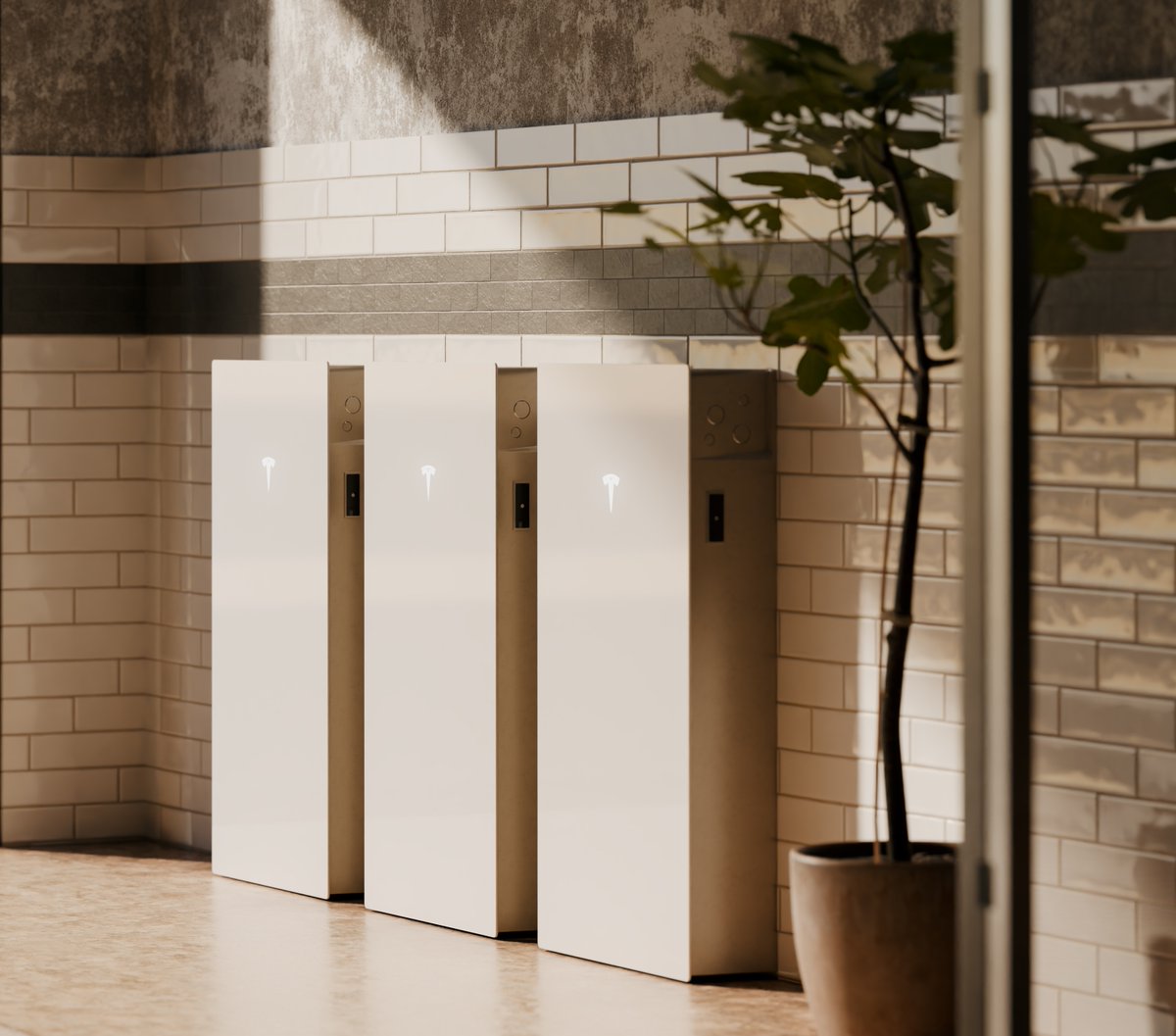
Tesla's distributed battery fleet just proved it can act like a real power plant. On September 9, 2026, a coordinated dispatch between Tesla and Sunrun sent 580 megawatts of electricity to California's grid during a heat wave — the largest residential virtual power plant (VPP) event ever recorded, according to a joint announcement from the two companies. Tesla Powerwalls alone contributed 517 MW of that total, drawn from roughly 110,000 customer-owned batteries across the state.
The dispatch was requested by the California Energy Commission and participating utilities to help stabilize the grid and real-time energy prices during peak evening demand. For Tesla owners enrolled in the Powerwall VPP, it was also a paycheck: participants are directly compensated for the stored energy they contribute.

How the Record Was Set
The three-hour evening dispatch was coordinated through two California programs: the Demand Side Grid Support (DSGS) program and the Emergency Load Reduction Program (ELRP). Both are designed to pay distributed energy resources — including home batteries — to discharge power to the grid during high-stress periods, functioning as a flexible alternative to firing up peaker plants.
According to Sunrun and Tesla's joint release, Sunrun coordinated more than 140,000 home batteries during the event, including over half (55%) of the participating Tesla Powerwalls. Sunrun also dispatched an additional 63 MW from more than 30,000 batteries manufactured by other companies. The aggregated output was roughly equivalent to the capacity needed to power every household in Sacramento County during peak hours.
A follow-on dispatch the next evening, September 10, delivered another 140-plus MW at the request of Southern California Edison. Had both events occurred on the same night, the combined potential output would have exceeded 720 MW — a scale that starts to rival mid-sized natural gas plants.
Key Figures
| Metric | Value |
|---|---|
| Total peak dispatch (Sept 9) | 580+ MW |
| Tesla Powerwall contribution | 517 MW |
| Powerwalls participating | ~110,000 |
| Sunrun-coordinated batteries | 140,000+ |
| Dispatch duration | 3 hours |
| Sept 10 follow-on dispatch | 140+ MW |
Why It Matters for the Grid — and for Owners
For California, the significance is structural. The state has spent years scrambling to prevent rolling blackouts during late-summer heat waves, when solar generation drops off just as air-conditioning demand peaks. A 580 MW residential dispatch demonstrates that networked home batteries can meaningfully substitute for centralized peaker capacity — without new transmission lines, without permitting battles, and without the emissions.
A report commissioned by Sunrun and Tesla and conducted by The Brattle Group estimates that scaling VPP programs like these could generate up to $206 million in net cost savings for Californians by 2028, according to the joint announcement. That figure assumes continued enrollment growth and further integration with utility procurement processes.
For Powerwall owners, the economic case for enrollment keeps strengthening. Participants receive direct compensation for the energy they contribute during dispatch events, on top of the everyday value the battery already provides through backup power and time-of-use bill optimization. The larger the fleet grows, the more leverage owners collectively have when the grid operator comes calling.
What to Watch Next
Three questions will shape how far this model can scale. First, will other utilities outside California adopt DSGS- and ELRP-style programs with comparable compensation? Texas, Puerto Rico, and parts of the Northeast are the most likely near-term expansion markets given existing Powerwall density. Second, how quickly will Tesla grow the enrolled fleet? At 110,000 Powerwalls in one state, the ceiling is nowhere near reached — California alone has hundreds of thousands more installed batteries that could eventually participate. Third, how will grid operators account for VPPs in long-term capacity planning? Treating home batteries as firm, dispatchable capacity — rather than a nice-to-have supplement — is the shift that would unlock much larger contracts and more predictable owner payouts.
For now, September 9 sets the benchmark. The next heat wave will show whether it holds.
Related Gear
Gear up your Tesla with tested, custom-fit BASENOR accessories — shop Tesla accessories →
Sources & reporting notes
The links below identify the material source records used for this report.
- @SawyerMerritt on X (2026-09-21T13:53:41.000Z) — Direct source
Source links are preserved as published or accessed. See our editorial standards and corrections policy.
The BASENOR Editorial Desk covers Tesla, SpaceX, and related technology, curating reporting from primary sources — official accounts, regulatory filings, and software release data. Every article passes source-record and fact-checking review before publication. About the newsroom.
This report was curated by the BASENOR Editorial Desk from the sources listed above. Read our editorial standards or email editorial@basenor.com to report an error.