One day after Tesla's Roadster reveal event, a key spec has surfaced: the new Roadster carries a 150 kilowatt-hour battery pack. That makes it the largest battery ever shipped in a Tesla passenger vehicle — a meaningful milestone for a car that's been in development for nearly a decade. But the number also raises questions, because it doesn't square with everything observers reported from the October 15 event floor. Here's what we know.

Where does the 150 kWh figure come from?
Whole Mars Catalog, a closely followed Tesla observer, reported the 150 kWh capacity on October 16, the day after Tesla's Roadster reveal. The claim appears to originate from direct access to information at or around the event. Tesla itself has not published an official spec sheet or order configurator as of this writing, so the figure is sourced from reporting rather than a Tesla press release.
How does 150 kWh compare to the rest of Tesla's lineup?
It's the largest battery pack Tesla has ever put in a passenger car — by a significant margin. For context, the Model S Long Range tops out around 100 kWh, and the Cybertruck's largest pack sits at roughly 123 kWh. The only Tesla vehicle with a larger pack is the Semi, which uses a purpose-built 500+ kWh system designed for commercial freight. The Roadster at 150 kWh sits in a class of its own on the passenger side.
Why are some reports saying the pack is closer to 100 kWh?
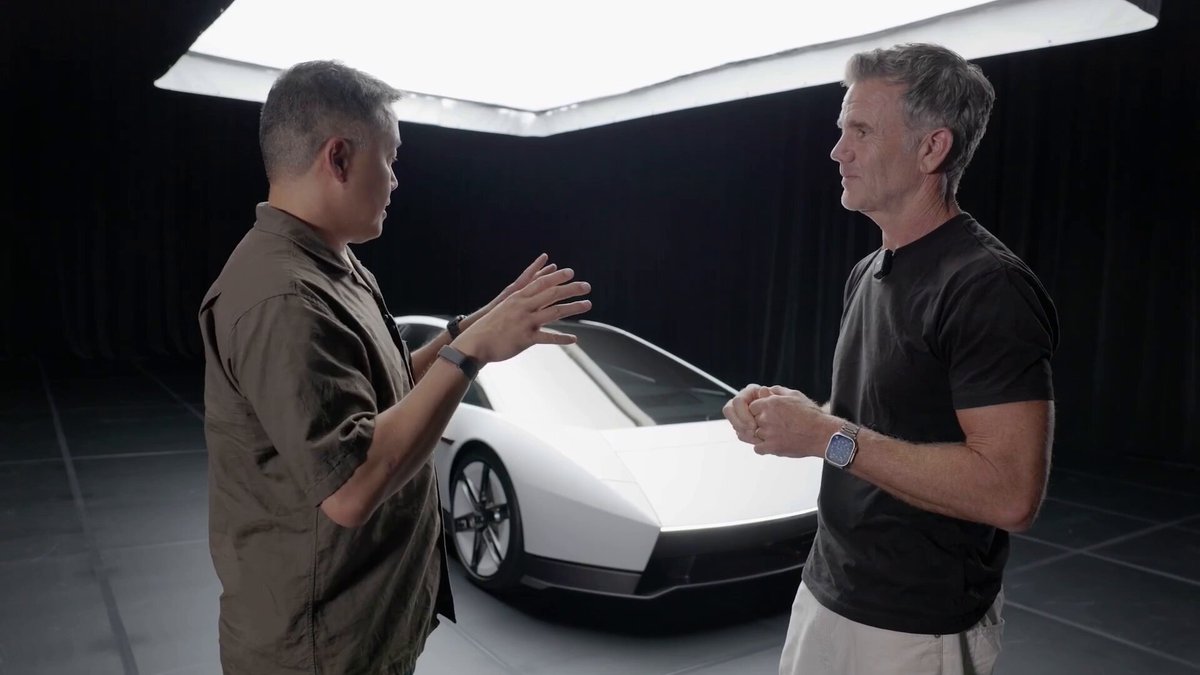
This is where it gets complicated. Observers who examined the Roadster cutaway and display materials at the October 15 reveal event estimated the pack at around 100 kWh, partly by working backward from a projected range figure of over 300 miles. At least one additional report from October 16 also placed capacity at "not exceeding 100 kWh." The discrepancy hasn't been resolved publicly. It's possible the 150 kWh figure reflects gross capacity while the 100 kWh estimates reflect usable capacity — a gap that's common in EV specs but rarely this wide. Until Tesla publishes official numbers, both figures should be treated as unconfirmed.
What battery cell technology does the Roadster use?
According to information shared by Tesla staff at the reveal event, the Roadster uses a bespoke version of Tesla's 4680 cell — engineered specifically for this vehicle rather than shared with the broader lineup. Tesla has described it as their fastest-charging pack to date, with a claimed 15–80% charge window achievable in approximately 10 minutes. All three Roadster configurations are said to share the same battery pack.
What does 150 kWh mean for real-world range?
Tesla hasn't confirmed an official EPA range figure. But a 150 kWh pack paired with a low-drag sports car body and Tesla's latest drive unit efficiency could plausibly support well over 400 miles of range — potentially more. The original 2017 Roadster announcement cited a 620-mile range target, which was always ambitious. Whether the production car hits anywhere near that number remains to be seen. What's clear is that 150 kWh gives Tesla significant headroom to deliver a range figure that justifies the car's positioning as a flagship.
How much power does the Roadster's drivetrain produce?
According to details shared at the October 15 event, the Roadster's new high-voltage battery and rear drive unit are together designed to deliver 1 megawatt of peak power — roughly 1,341 horsepower. That figure, combined with a 150 kWh pack, would make the Roadster not just Tesla's most energy-dense passenger car but also its most powerful.
When does production actually start?
Production is currently planned for 2028, according to Tesla's timeline. The October 15 reveal was a design and concept showcase, not a delivery event. Reservation holders — many of whom put down deposits back in 2017 — are still waiting on confirmed production specs, pricing, and a delivery window. Tesla has not updated the official order configurator with any of the figures discussed at or after the reveal event.
The 150 kWh number is the most concrete battery spec to emerge from the Roadster's reveal week, and if it holds, it cements the car's status as Tesla's most capable passenger vehicle ever built. The remaining open questions — actual usable capacity, final range rating, and confirmed pricing — won't close until Tesla opens the order books. That's still a ways off, but the spec picture is starting to sharpen.
Related Gear
Gear up your Tesla with tested, custom-fit BASENOR accessories — shop Tesla accessories →
Sources & reporting notes
The links below identify the material source records used for this report.
- @wholemars on X (2026-10-16T17:26:18.000Z) — Direct source
Source links are preserved as published or accessed. See our editorial standards and corrections policy.
The BASENOR Editorial Desk covers Tesla, SpaceX, and related technology, curating reporting from primary sources — official accounts, regulatory filings, and software release data. Every article passes source-record and fact-checking review before publication. About the newsroom.
This report was curated by the BASENOR Editorial Desk from the sources listed above. Read our editorial standards or email editorial@basenor.com to report an error.