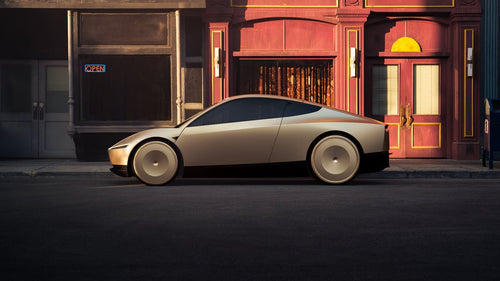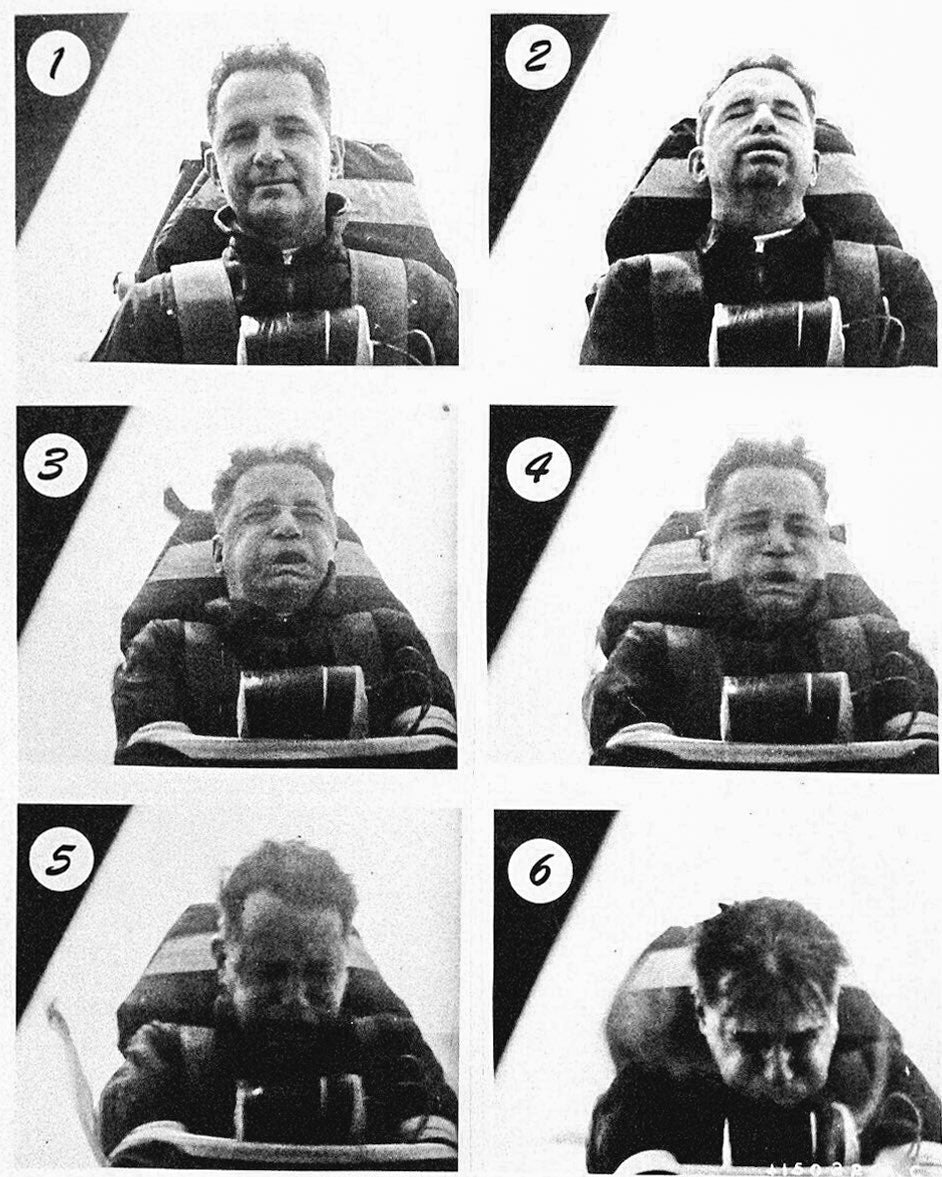
Tesla posted a cryptic tease on October 17 — 'The 6 stages of Roadster' — days after officially unveiling the next-generation Roadster on October 15, 2026, near Waco, Texas. The event confirmed what many had suspected: this isn't just a fast car. It's three distinct vehicles wearing the same name, with performance figures that make every existing production car look pedestrian. Production is targeted to begin in 2028.

Here are the six details from the Roadster reveal that actually matter.
1. Three Trims, Three Different Vehicles
The Roadster isn't one car — it's a lineup. The Performance trim is road-ready, seats two, and is the version most buyers will access. The Thrust is a limited-release, race-ready configuration, also for two. The Rocket is invite-only, seats one, and is described as 'air-ready' — a phrase that requires its own explanation (see below). Each tier represents a meaningful performance jump, not just a badge upgrade.
2. The 0-60 Numbers Are Not Typos
Performance: under 1.6 seconds. Thrust: under 0.9 seconds — with a demonstrated run of 0.81 seconds using thrusters. Rocket: under 0.59 seconds. For context, the quickest production cars currently available clock in around 2.3-2.5 seconds. Tesla isn't iterating on the existing benchmark; it's operating in a different category entirely. According to reports from the reveal event, the 0.81-second run was live-demonstrated on stage.
3. The Top Speed Has Two Targets
The Performance version is rated for over 230 mph. That alone would make it the fastest road-legal production car available. But Tesla and Elon Musk have stated a further target: a version aimed at 330 mph, with Musk reportedly citing an ambition to approach Mach 0.5 — approximately 383 mph. Whether that figure applies to the Rocket trim or a future variant isn't fully confirmed, but it signals that the 230 mph figure is a floor, not a ceiling.
4. The Battery Is a Statement
The Roadster uses an approximately 150 kWh pack built on Tesla's 4680 cell format. The base configuration produces 1 MW of power — roughly 1,341 horsepower — with around 960 lb-ft of torque. The Performance trim is reported at 1,500 horsepower. Range is rated at over 300 miles. Packing that energy density into a low-slung two-seater while achieving those acceleration figures required the active aerodynamics system to do significant structural work, not just drag reduction.
5. Active Aero That Doubles as a Ground Anchor
The Roadster features a multi-mode suction system designed to maximize downforce. According to details from the reveal, the system generates enough downforce that the vehicle can reportedly hold itself upside down on a surface — a claim that, if validated in testing, would represent a fundamental shift in what active aerodynamics can achieve on a road car. The system works in tandem with a next-generation steer-by-wire setup, meaning there's no mechanical steering column connecting the wheel to the front axle.
6. 'Air-Ready' Is Doing a Lot of Work
The Rocket trim's 'air-ready' designation, combined with the thruster-assisted 0.81-second run demonstrated at the event, confirms that Tesla is integrating SpaceX Cold Gas Thruster technology into the top configuration. This isn't a metaphor. The single-seat Rocket variant is designed to use pressurized gas thrusters — reportedly stored where a rear seat would otherwise sit — to generate additional downforce and acceleration force beyond what electric motors alone can produce. It's the detail that makes the sub-0.6-second 0-60 claim physically coherent.
Production doesn't begin until 2028, so there's time for specs to shift. But the October 15 reveal locked in the architecture: three trims, one platform, and performance numbers that will take the rest of the industry years to respond to — if they can at all.
Related Gear
Gear up your Tesla with tested, custom-fit BASENOR accessories — shop Tesla accessories →
Sources & reporting notes
The links below identify the material source records used for this report.
- @Tesla on X (2026-10-17T22:08:42.000Z) — Direct source
Source links are preserved as published or accessed. See our editorial standards and corrections policy.
The BASENOR Editorial Desk covers Tesla, SpaceX, and related technology, curating reporting from primary sources — official accounts, regulatory filings, and software release data. Every article passes source-record and fact-checking review before publication. About the newsroom.
This report was curated by the BASENOR Editorial Desk from the sources listed above. Read our editorial standards or email editorial@basenor.com to report an error.