📌 UPDATE — July 1, 2026
Fresh rider reports from @wholemars shed new light on the Tesla Robotaxi experience. Passengers have the entire cabin to themselves and can use the in-car entertainment system to play video games, watch movies, or listen to music during their driverless ride. On the app side, the iOS Live Activity integration is drawing praise for delivering accurate, real-time pickup estimates that stay current — a notable improvement over competing rideshare services where live activity timers frequently stall or fall out of sync.
The rider also highlighted a broader sense of excitement around what driverless AI transportation could mean for urban living, calling it a chance to "redefine how our cities work." The sentiment reflects growing enthusiasm as the service matures beyond its early access phase in Texas.
"Play video games, watch movies, listen to music, or do whatever you want in Tesla's driverless Robotaxis. You've got the whole car to yourself." — @wholemars

📌 UPDATE — July 1, 2026
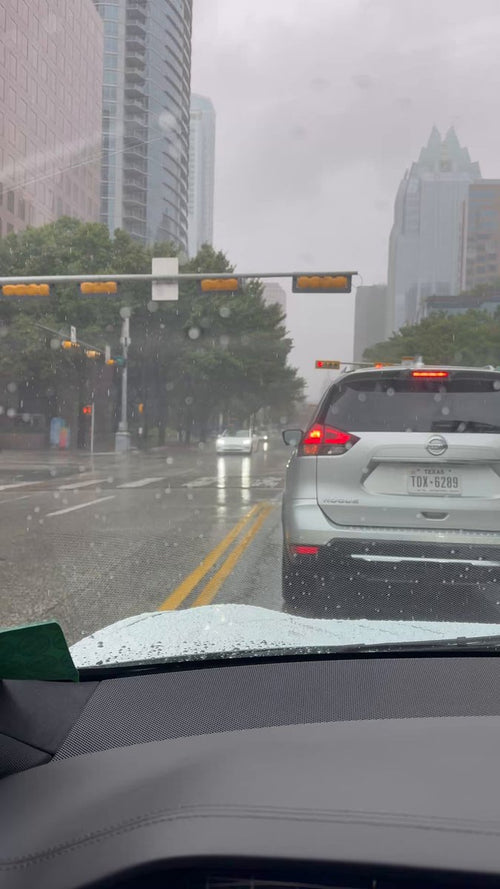
Fresh driverless Robotaxi rides are being reported in Texas today, with popular EV commentator @wholemars (Whole Mars Catalog) sharing footage from inside a fully autonomous Tesla — including a rider watching FSD videos during the trip. A separate rider, @sa_futurist, was also documented completing their first-ever driverless Robotaxi ride on the same day, suggesting the service is expanding its passenger base. The back-to-back clips offer a rare real-time glimpse into what the in-cabin experience actually looks like with no human behind the wheel — relaxed, unremarkable, and increasingly routine.


Tesla's driverless Robotaxi service has been operating in Texas for months, but polished press releases only tell part of the story. Whole Mars Catalog — one of the more prolific Tesla observers on X — posted a candid two-part assessment of the service on July 1, and it's worth reading carefully: the highs are genuinely high, and the friction points are exactly the kind of thing Tesla will need to fix before this scales.

What's Working Well
The praise is specific, not vague. According to the post, the experience of summoning a Tesla on demand — with the whole car to yourself — is a meaningful differentiator from shared ride services. The in-car entertainment package gets a particular callout: an "amazing sound system," streaming video, and onboard video games. Customizable climate control rounds out a cabin experience that sounds closer to a private lounge than a taxi.
Crucially, the driving itself drew no safety complaints. Zero reported mistakes. For a fully driverless service operating on public roads in a major metro area, that's not a small thing.

Where the Friction Is
The follow-up tweet is equally honest. Three friction points stand out:
Overly cautious driving. The vehicle doesn't go quickly enough and applies brakes in a stop-and-go pattern that feels unnecessary. Nothing dangerous — but noticeable enough to mention. This is a known characteristic of early autonomous systems tuned conservatively, and it's the kind of behavior that tends to improve with fleet-wide data accumulation over time.
Routing inefficiency. The car sometimes takes longer routes and avoids freeways when a faster path is available. This has real implications for both ride time and cost, and it's a solvable software problem — but one that erodes the "it just works" experience Tesla is aiming for.
Availability. High demand means you often can't get a car when you want one. This is actually a backhanded compliment — the service is popular enough to be supply-constrained — but it's also a genuine usability problem for anyone who needs reliable transportation.
The Bigger Picture
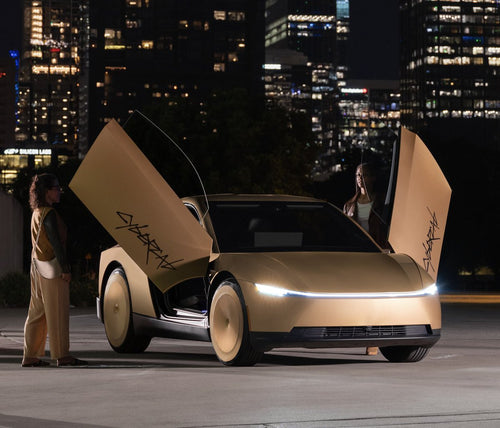
To understand how significant this feedback is, some context helps. Tesla launched its Robotaxi service in Austin in June 2025, with unsupervised operations beginning on January 22, 2026. The service expanded to Dallas and Houston in April 2026, and paid rides for the general public in Austin officially launched on June 22, 2026 — just nine days before this review was posted. The Cybercab, Tesla's purpose-built autonomous vehicle, has also begun engineering tests on public roads.
In other words, this is early commercial deployment, not a mature product. The fact that the core experience — safety, comfort, entertainment — is drawing genuine enthusiasm while the complaints are limited to software-tunable issues (routing, speed profiles) and fleet capacity is a reasonably strong signal. These are not fundamental problems with the underlying technology; they're operational parameters that can be adjusted.
The availability constraint is the one that deserves the most attention. A driverless ride service that people want to use but can't get is a fleet-size problem, and solving it requires either faster vehicle deployment or more efficient utilization of the cars already on the road. Both are things Tesla has levers to pull — but neither happens overnight.
Early real-world feedback like this is exactly the data loop Tesla needs. The routing and braking behavior described here will almost certainly feed into future FSD updates, and the demand signal justifies accelerating fleet expansion. Whether the service reaches the reliability bar required for everyday commuters — not just enthusiasts willing to tolerate friction — is the question that the next six months of Texas operations will start to answer.
🚕 Following the Robotaxi rollout? See every operating city, launch date and announced market in our Tesla Robotaxi Tracker.
Related Gear
Gear up your Tesla with tested, custom-fit BASENOR accessories — shop Tesla accessories →
Sources & reporting notes
The links below identify the material source records used for this report.
- @wholemars on X (2026-07-01T18:01:31.000Z) — Direct source
- @wholemars on X (2026-07-01T18:02:42.000Z) — Direct source
- @wholemars on X (2026-07-01T19:46:54.000Z) — Direct source
- @wholemars on X (2026-07-01T19:46:26.000Z) — Direct source
- @wholemars on X (2026-07-01T21:58:02.000Z) — Direct source
- @wholemars on X (2026-07-01T21:52:21.000Z) — Direct source
- @wholemars on X (2026-07-01T21:32:26.000Z) — Direct source
- @wholemars on X (2026-07-01T21:25:21.000Z) — Direct source
Source links are preserved as published or accessed. See our editorial standards and corrections policy.
The BASENOR Editorial Desk covers Tesla, SpaceX, and related technology, curating reporting from primary sources — official accounts, regulatory filings, and software release data. Every article passes source-record and fact-checking review before publication. About the newsroom.
This report was curated by the BASENOR Editorial Desk from the sources listed above. Read our editorial standards or email editorial@basenor.com to report an error.