The News: Tesla has revised its Robotaxi pricing in Austin, Texas — the base rate drops to $3.00 while the per-mile charge rises to $1.40.
Why It Matters: The new structure favors short-trip riders on the base rate but increases costs for longer journeys compared to the previous model.
Sources: @SawyerMerritt · @TeslaNewswire
Tesla's Austin Robotaxi Pricing Has Changed — Again
Tesla has updated the pricing structure for its Robotaxi service in Austin, Texas, marking the latest adjustment since the service launched. The new rates — a $3.00 base fare plus $1.40 per mile — took effect on March 7, 2026, and represent a meaningful shift in how short versus long trips are priced.
This is the third pricing structure the Austin Robotaxi service has operated under. The original model, in place since October 2025, was a flat $1.00 base rate plus $1.00 per mile — a deliberately low entry point as Tesla tested the market. A subsequent adjustment raised the base to $3.25 while keeping the per-mile rate at $1.00. Now, Tesla has nudged the base rate down slightly to $3.00 while increasing the per-mile charge to $1.40.

📊 What Changed: Pricing Breakdown
| Pricing Era | Base Rate | Per Mile | 5-Mile Trip | 10-Mile Trip |
|---|---|---|---|---|
| Launch (Oct 2025) | $1.00 | $1.00/mi | $6.00 | $11.00 |
| Previous | $3.25 | $1.00/mi | $8.25 | $13.25 |
| Current ✓ | $3.00 | $1.40/mi | $10.00 | $17.00 |
Trip cost estimates exclude any applicable taxes, fees, or surge pricing. Calculated as base rate + (miles × per-mile rate).

Who Gets Cheaper Rides — and Who Pays More
The math here is nuanced. Compared to the previous structure, the lower base rate ($3.00 vs. $3.25) saves you $0.25 before the wheels even turn. But the higher per-mile rate ($1.40 vs. $1.00) means that savings evaporates quickly. The crossover point is just one mile — any trip longer than roughly 0.6 miles will cost more under the new pricing than it did before.
In practical terms: a 3-mile trip now costs $7.20 versus $6.25 previously — about $0.95 more. A 5-mile trip runs $10.00 versus $8.25 — a $1.75 increase. For riders using the Robotaxi for typical Austin errands or commutes in the 3–10 mile range, this is a noticeable step up in cost.
🚦 Owner's Action Plan
Verdict: Informational — No action required, but worth knowing before your next ride.
- Recalibrate your expectations for longer trips. If you've been using Robotaxi for rides over 5 miles, budget roughly $1.40 extra per mile compared to the previous rate. A 10-mile trip now costs $17.00 vs. $13.25 before.
- Short hops are still competitive. For trips under 2 miles, the lower base rate partially offsets the per-mile increase. A 1-mile trip costs $4.40 now versus $4.25 before — essentially unchanged.
- Check the in-app fare estimate before confirming. Tesla displays the trip cost before you confirm a ride. Always review it — pricing has now changed three times since launch, and another adjustment isn't out of the question.
- Compare against rideshare alternatives for longer routes. For trips in the 8–15 mile range, it's worth doing a quick comparison in the Tesla app versus other options, especially during off-peak hours when traditional rideshare pricing may be lower.
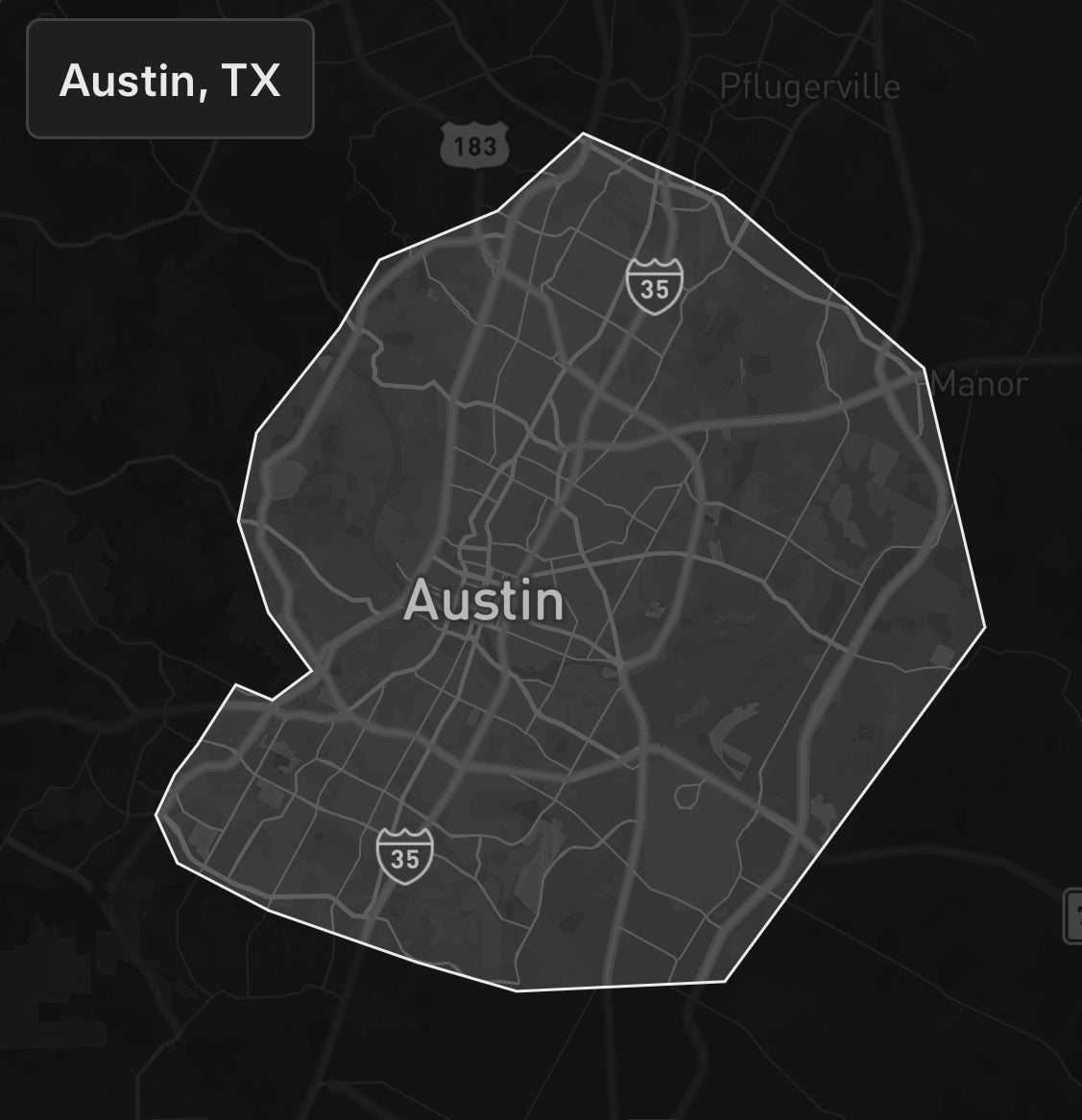
- Austin residents only — for now. The Robotaxi service remains limited to Austin, Texas. If you're outside the service area, watch for expansion announcements.
📰 Deep Dive
Tesla's repeated pricing adjustments in Austin tell an interesting story about how the company is calibrating its Robotaxi economics. The original $1.00 + $1.00/mile structure was almost certainly a below-cost introductory rate — a deliberate move to seed adoption and gather real-world operational data without the friction of sticker shock. The jump to $3.25 base + $1.00/mile was the first signal that Tesla was moving toward sustainable unit economics.
The latest change — lowering the base while raising the per-mile rate — suggests Tesla may be optimizing for ride frequency over trip length. A lower entry cost encourages more spontaneous, shorter bookings, while the higher per-mile rate ensures that longer, more resource-intensive trips generate proportionally more revenue. It's a classic rideshare pricing lever, and it mirrors structures used by traditional platforms to maximize fleet utilization.
What's notable is the pace of change. Three pricing structures in roughly five months indicates Tesla is still actively learning from the Austin deployment. The service is, by all indications, still in a commercial testing phase — which means riders should expect continued adjustments as Tesla refines its cost model ahead of any broader geographic expansion. For now, the Austin Robotaxi remains a genuinely competitive option for short urban trips, even if the economics for longer rides are tightening.
🚕 Following the Robotaxi rollout? See every operating city, launch date and announced market in our Tesla Robotaxi Tracker.
Related Gear
Gear up your Tesla with tested, custom-fit BASENOR accessories — shop Tesla accessories →
Sources & reporting notes
The links below identify the material source records used for this report.
- @SawyerMerritt on X (2026-03-11T21:33:07.000Z) — Direct source
- @TeslaNewswire on X (2026-03-11T21:48:03.000Z) — Direct source
Source links are preserved as published or accessed. See our editorial standards and corrections policy.
The BASENOR Editorial Desk covers Tesla, SpaceX, and related technology, curating reporting from primary sources — official accounts, regulatory filings, and software release data. Every article passes source-record and fact-checking review before publication. About the newsroom.
This report was curated by the BASENOR Editorial Desk from the sources listed above. Read our editorial standards or email editorial@basenor.com to report an error.