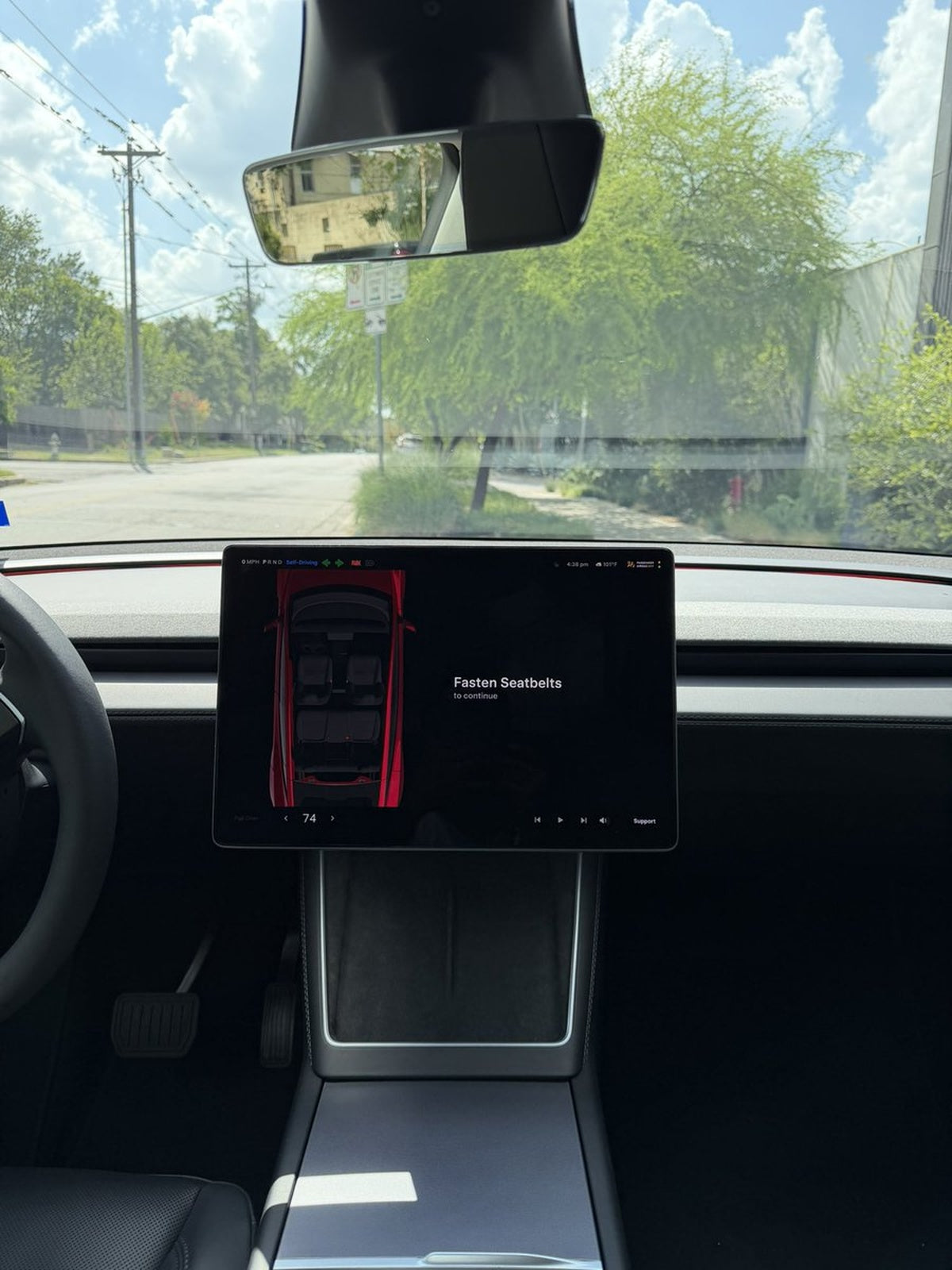
Tesla's Robotaxi service has a hard rule baked in from the moment you sit down: buckle your seatbelt or the car doesn't move. According to a firsthand account from @wholemars, the very first thing passengers see upon entering the vehicle is a prompt to fasten their seatbelt — and non-compliance isn't just flagged, it physically prevents the ride from starting. Refuse long enough, and you might get a call from support.

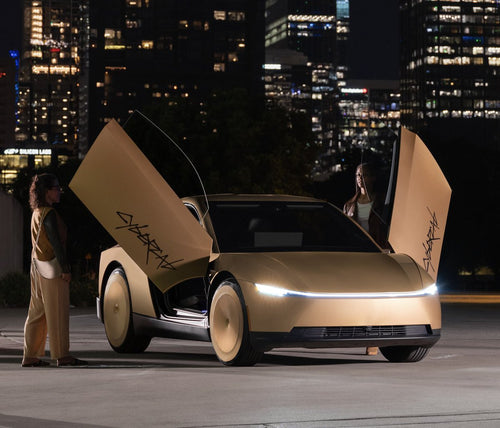
This isn't just a soft reminder. Tesla's official Robotaxi instructions for the current Model Y fleet already direct riders to fasten their seatbelt before tapping 'Start Ride' in the app. For the purpose-built Cybercab — Tesla's SAE Level 4 autonomous vehicle — the enforcement goes even further: if a passenger unfastens their belt or attempts to open a door while the vehicle is moving, the Cybercab will immediately abort its route and execute a controlled stop. The system is designed to prevent passengers from stepping out into traffic.
The support call escalation adds another layer. Tesla's Robotaxi service already uses a support team reachable through the vehicle's touchscreen for emergencies and mid-trip stops — applying that same channel to seatbelt non-compliance closes a gap that traditional rideshare has never fully addressed. A human Uber driver can ask you to buckle up. They can't make you. The Robotaxi can.
As @wholemars noted, this feature would save lives even if the underlying autonomous software performed no better than an average human driver. That's the point. Tesla's Robotaxi is currently operating in Austin, Dallas, and Houston between 6 AM and 2 AM CT — and every ride, it seems, starts the same way: belt on, or you're not going anywhere.
🚕 Following the Robotaxi rollout? See every operating city, launch date and announced market in our Tesla Robotaxi Tracker.
Related Gear
Gear up your Tesla with tested, custom-fit BASENOR accessories — shop Tesla accessories →
Sources & reporting notes
The links below identify the material source records used for this report.
- @wholemars on X (2026-07-02T00:02:07.000Z) — Direct source
Source links are preserved as published or accessed. See our editorial standards and corrections policy.
The BASENOR Editorial Desk covers Tesla, SpaceX, and related technology, curating reporting from primary sources — official accounts, regulatory filings, and software release data. Every article passes source-record and fact-checking review before publication. About the newsroom.
This report was curated by the BASENOR Editorial Desk from the sources listed above. Read our editorial standards or email editorial@basenor.com to report an error.