Tesla Energy is highlighting a design feature of its solar panels that matters more than most homeowners realize: shade performance. The TSP-415 and TSP-420 panels are built with 18 individual power zones — three times what conventional residential panels typically carry — and that engineering choice has real consequences for how much energy your roof actually produces on an average day.

What exactly is a 'power zone' on a solar panel?
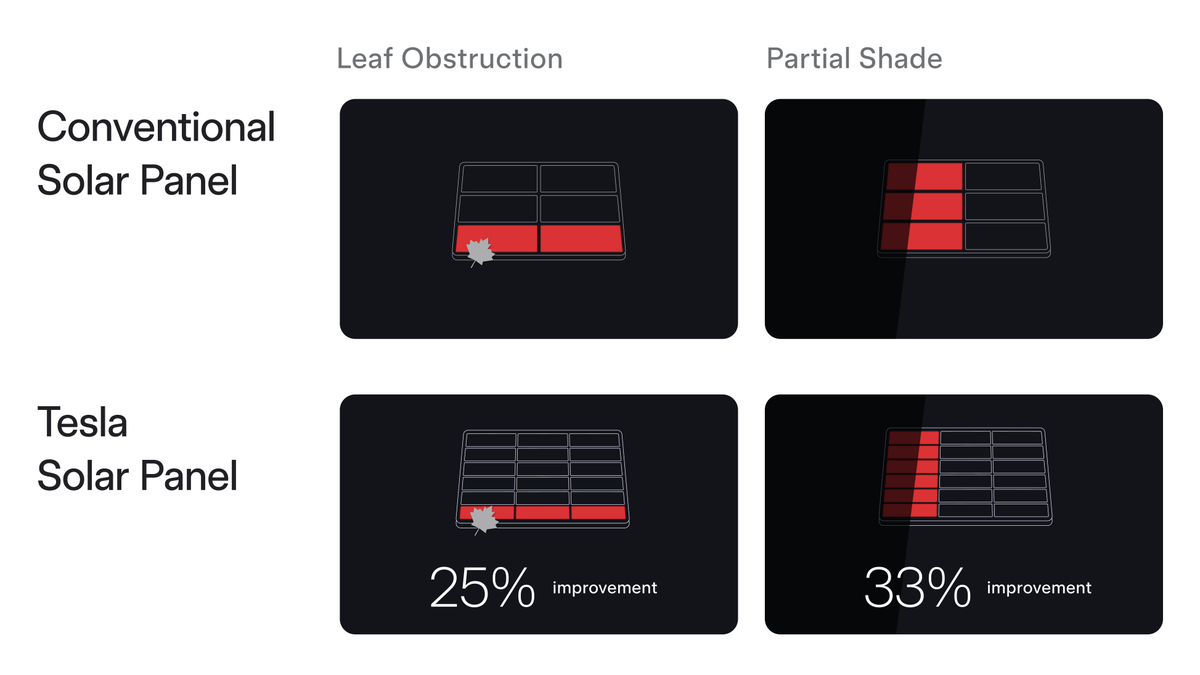
A power zone is an independently managed segment of a solar panel. Traditional residential panels are typically divided into around 6 zones — meaning if shade falls on one section, it drags down output across a large portion of the panel. Tesla's TSP-415 and TSP-420 panels use 18 zones, so shading affects only the specific segment it touches. The rest of the panel keeps producing at full capacity.
Why does shade matter so much for residential solar?
Very few roofs get unobstructed sun all day. Trees, chimneys, neighboring structures, and even passing clouds create partial shade conditions for most homes during peak daylight hours. According to verified product data, conventional panels with fewer power zones can suffer disproportionate output losses when even a small shaded area creates a bottleneck across the entire string. More zones mean shade is contained — it's a localized problem rather than a system-wide one.
Which Tesla panels have this design, and how efficient are they?
The current lineup consists of two models. The TSP-415 delivers 415 watts at 20.3% efficiency. The TSP-420 delivers 420 watts at 20.5% efficiency. Both are engineered in California and assembled at Gigafactory New York in Buffalo. According to Tesla's specifications, meaningful customer deployments began around April 2026 following the panels' unveiling earlier in the year.
Is there anything else about the installation that's different from standard panels?
Yes — the mounting system is a notable departure from convention. Tesla uses a rail-less design that is reportedly up to 33% faster to install and requires 15% fewer roof penetrations than traditional rail-based systems. The panels also feature an all-black, low-profile aesthetic with concealed cell connections, which addresses a common homeowner objection to the look of conventional hardware on the roof.
What warranty does Tesla offer on these panels?
Tesla backs the TSP-415 and TSP-420 with a 25-year product warranty. The performance warranty guarantees at least 98% output after year one, with no more than 0.45% annual degradation over the following 24 years. That degradation ceiling is a meaningful commitment — it means the panels are contractually expected to still be producing at roughly 88% of original capacity at the end of the warranty period.
How do these panels fit into the broader Tesla Energy ecosystem?
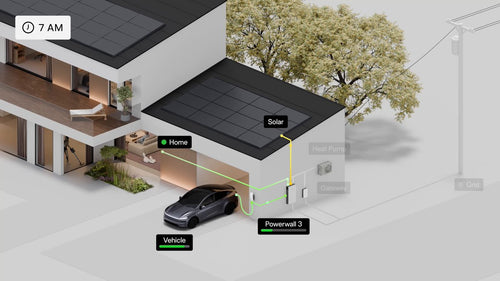
The TSP panels are designed for native integration with the Tesla Solar Inverter and Powerwall 3, which allows the system to operate as a single managed unit rather than a collection of components from different manufacturers. It's worth noting that Tesla discontinued its Solar Roof tile product as of August 2026, citing financial viability concerns. Conventional solar panels — and specifically these new models — are now Tesla Energy's primary residential solar offering.
Sources & reporting notes
The links below identify the material source records used for this report.
- @teslaenergy on X (2026-09-17T02:14:00.000Z) — Direct source
Source links are preserved as published or accessed. See our editorial standards and corrections policy.
The BASENOR Editorial Desk covers Tesla, SpaceX, and related technology, curating reporting from primary sources — official accounts, regulatory filings, and software release data. Every article passes source-record and fact-checking review before publication. About the newsroom.
This report was curated by the BASENOR Editorial Desk from the sources listed above. Read our editorial standards or email editorial@basenor.com to report an error.