Tesla UK has quietly rolled out a set of financing offers that tie together its vehicle and energy product lines — a Model 3 on Business Contract Hire from £225 per month, a 0% APR deal on a Powerwall 3 and eight solar panels, and a bundled package that puts all three under one £450/month ceiling. It's the clearest signal yet that Tesla is positioning itself not just as a car company in the UK, but as a household energy provider.

What the Offers Actually Include
Three separate deals are on the table, and they're designed to stack. The vehicle offer is a Business Contract Hire on the Model 3 at £225 per month, structured over 24 months with 12 months advance payment and an 8,000-mile annual allowance. That's a relatively low mileage cap, so it's aimed squarely at drivers who charge at home and don't rack up long commutes.
The energy side is arguably the more interesting offer. Tesla is financing a Powerwall 3 combined with eight solar panels at 0% APR over 48 months. The representative example breaks down as a £1,747 deposit with a total amount payable of £11,299 — meaning the monthly cost on the energy package alone works out to roughly £199 after the deposit is accounted for across the term.
The bundle headline — Model 3 + Solar + Powerwall for under £450 per month total — combines both products into a single monthly figure that Tesla is framing around self-sufficiency: lower electricity bills, backup power during outages, and a car running on energy you generate yourself.
The Strategic Logic
Tesla has been selling Powerwall and solar in the UK for several years, but bundling them with a vehicle financing offer in a single monthly figure is a different kind of pitch. It shifts the conversation away from the upfront cost of going solar and toward a total household energy cost that happens to include a new car.
The 0% APR on the energy package is particularly notable. Financing solar and battery storage at zero interest over four years removes one of the main objections UK homeowners have — the capital outlay. For anyone already considering a Model 3 on BCH, the incremental jump to add the energy package becomes a straightforward monthly arithmetic question rather than a large separate purchase decision.
The 8,000-mile annual cap on the BCH deal is worth flagging. It suits the profile Tesla is targeting — someone who charges predominantly at home using their own solar generation — but buyers with longer commutes or frequent motorway runs should model their actual mileage before committing. Excess mileage charges on BCH agreements can erode the headline monthly figure quickly.
Whether this bundled approach gains traction in the UK market will depend partly on how competitive the solar and Powerwall pricing is against standalone installers, and whether the BCH terms hold up against other Model 3 PCP or lease deals currently available. But as a positioning move, it's coherent: Tesla is making the case that the cheapest way to run a Model 3 is to also own the energy system powering it.
Related Gear
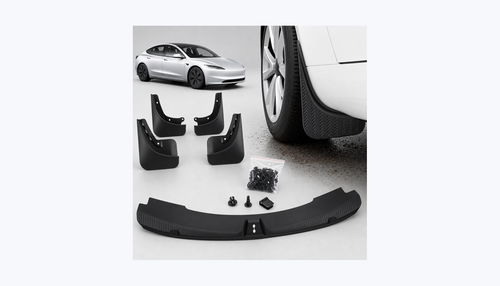
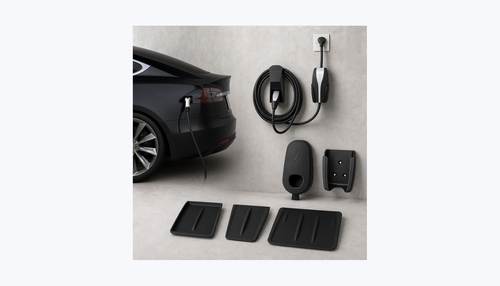
Gear up your Model 3 with tested, custom-fit BASENOR accessories — shop Model 3 accessories →
Sources & reporting notes
The links below identify the material source records used for this report.
- @tesla_uk on X (2026-08-26T17:27:21.000Z) — Direct source
- @tesla_uk on X (2026-08-26T17:27:22.000Z) — Direct source
- @tesla_uk on X (2026-08-26T17:27:23.000Z) — Direct source
Source links are preserved as published or accessed. See our editorial standards and corrections policy.
The BASENOR Editorial Desk covers Tesla, SpaceX, and related technology, curating reporting from primary sources — official accounts, regulatory filings, and software release data. Every article passes source-record and fact-checking review before publication. About the newsroom.
This report was curated by the BASENOR Editorial Desk from the sources listed above. Read our editorial standards or email editorial@basenor.com to report an error.