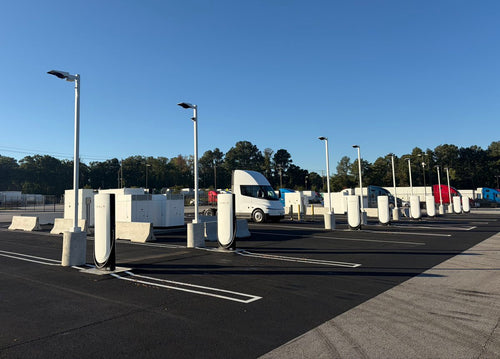
Tesla's Supercharger expansion in South Korea is picking up pace. According to data from supercharge.info, all six network changes logged this week in the Asia Pacific region are new planning filings in South Korea — each one targeting a highway rest area corridor that connects the country's major cities and tourist regions.
Where the New Stations Are Planned
The six sites are clustered across two highway rest area complexes and two additional expressway stops, all in the Chungcheong and Jeolla provinces — a stretch of central and southwestern South Korea that links Seoul to the coast:
Supercharger Network Changes — Asia Pacific, Week of Oct 10 2026
Source: supercharge.info
| Station Name | Direction | Status |
|---|---|---|
| Cheongyang Rest Area | Gongju direction | PLAN |
| Cheongyang Rest Area | Seocheon direction | PLAN |
| Buyeo Baekje Rest Area | Seocheon direction | PLAN |
| Buyeo Baekje Rest Area | Gongju direction | PLAN |
| Gunsan Rest Area | Mokpo direction | PLAN |
| DeokYusan Rest Area | Daejeon direction | PLAN |
Why Highway Rest Areas Matter
South Korea's expressway rest areas are the backbone of long-distance EV charging in the country. They're government-managed, high-traffic stops with standardized facilities — making them ideal anchor points for fast charging infrastructure. Placing Superchargers at both directional stops within a single rest area complex (as Tesla is doing at both Cheongyang and Buyeo Baekje) effectively doubles coverage on a given corridor without requiring entirely new site negotiations.
The Cheongyang and Buyeo Baekje complexes sit along routes connecting the Seoul Capital Area to the southwestern coast — a corridor that sees heavy traffic during Korean national holidays. Gunsan and DeokYusan extend coverage further into North Jeolla Province and toward the Daejeon metro area respectively, filling in gaps on routes that Tesla drivers have historically had to plan carefully around.
What PLAN Status Means in Practice
A PLAN designation on supercharge.info indicates that a station has been identified and registered in Tesla's planning pipeline, but construction has not yet begun. Stations typically move from PLAN to PERMIT to CONSTRUCTION before going OPEN — a process that can take anywhere from a few months to over a year depending on site complexity and local permitting. None of this week's six filings have an announced opening timeline.
That said, Tesla's recent pattern in South Korea has shown relatively brisk movement from plan to construction at highway rest area sites, where site access and power infrastructure are generally more straightforward than urban locations.
For Tesla owners driving these corridors today, the nearest operational Superchargers remain the reference point — but these filings are a concrete signal that the gaps are on Tesla's radar and actively being addressed. Tracking these stations on supercharge.info or the Tesla app's planned locations layer is the best way to catch an opening date when it's confirmed.
Related Gear
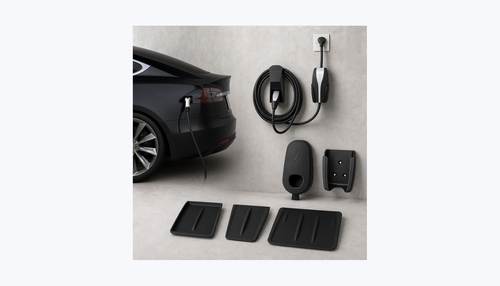
Gear up your Tesla with tested, custom-fit BASENOR accessories — shop Tesla accessories →
Sources & reporting notes
The links below identify the material source records used for this report.
- SUPERCHARGER — Collected source record
Source links are preserved as published or accessed. See our editorial standards and corrections policy.
The BASENOR Editorial Desk covers Tesla, SpaceX, and related technology, curating reporting from primary sources — official accounts, regulatory filings, and software release data. Every article passes source-record and fact-checking review before publication. About the newsroom.
This report was curated by the BASENOR Editorial Desk from the sources listed above. Read our editorial standards or email editorial@basenor.com to report an error.