Tesla's autonomy ambitions are bigger than most people realize — and a thread from Whole Mars Catalog this morning lays out the logic clearly. The robotaxi service isn't the destination; it's a proving ground. The actual target is transforming the millions of Teslas already on public roads into a fully autonomous fleet. Here's what that strategy looks like, broken down.
-
1. The Robotaxi Service Is a Test Bed, Not the End Goal
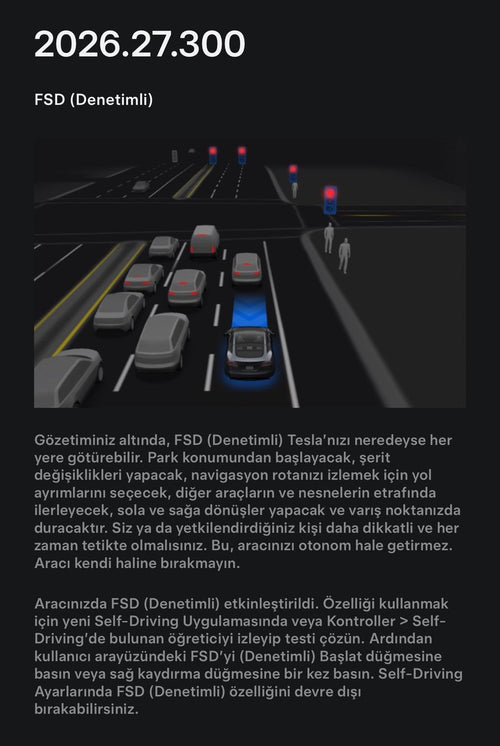
This is the part most coverage gets wrong. Tesla's robotaxi operation — currently running in limited, geofenced environments — exists primarily to validate FSD Unsupervised in controlled conditions before it scales. The real objective, according to Whole Mars Catalog, is to make as many of Tesla's 9 million+ vehicles on the road autonomous as possible.

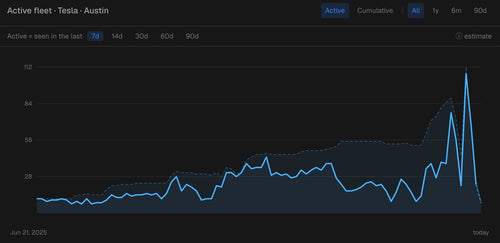
Source: @wholemars — July 27, 2026 Think of it this way: a handful of dedicated robotaxis running clean routes in Austin or San Francisco generates valuable edge-case data in a low-risk setting. Once the system proves itself there, Tesla pushes FSD Unsupervised to the broader fleet via OTA. That's when the scale becomes extraordinary — not dozens of vehicles, but potentially millions. For existing owners, this framing matters: your car is part of the long game, not a footnote to it.
-
2. The Financial Implication Is a Step-Change, Not Incremental Growth
Whole Mars Catalog's financial projection is worth sitting with for a moment. Tesla currently reports roughly $100 billion a year in revenue. The argument is that autonomy and robotics could shift that $100 billion figure from the top line to the bottom line — meaning net profit at a scale that would make Tesla one of the most profitable companies on earth.

Source: @wholemars — July 27, 2026 The logic behind the projection: software-driven autonomy and robotics carry fundamentally different margin profiles than manufacturing cars. Once the infrastructure and training investment is made, deploying FSD Unsupervised to an existing vehicle costs a fraction of building a new one. Robotics (Optimus) follows a similar curve. These are projections from an analyst, not guidance from Tesla — but the underlying margin math is structurally sound and worth understanding.
-
3. Tesla's Sensing Approach Ditches LIDAR in Favor of Specialized Headlights
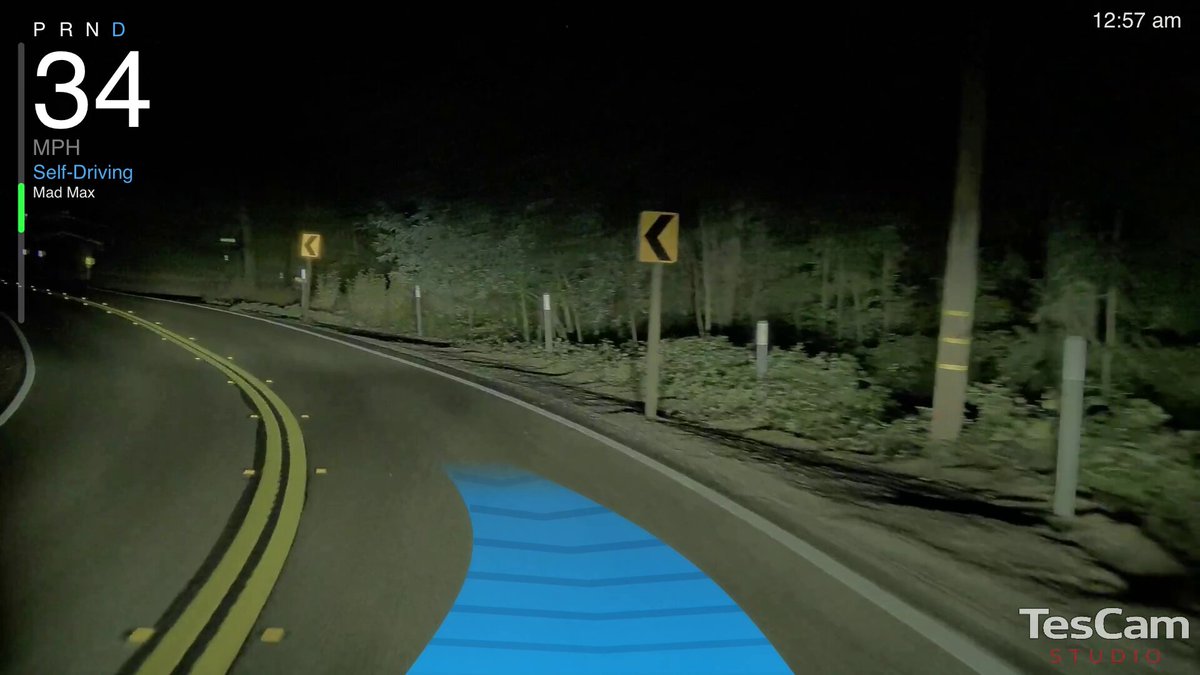
The third piece of the thread touches on how Tesla's vision-based system actually works at night and in low-light conditions — and it's more active than most people assume. Rather than firing laser pulses and measuring their return (the LIDAR approach), Tesla's cars emit structured light through a specialized set of headlights and then capture that light back using cameras.

Source: @wholemars — July 27, 2026 It's a meaningful distinction. LIDAR is expensive, mechanically complex, and adds hardware that needs to be maintained. Tesla's approach keeps the sensor stack camera-centric while still enabling active illumination — the headlights do double duty. This is consistent with Tesla's long-standing argument that purpose-built hardware plus neural net processing can match or exceed what LIDAR-dependent systems achieve, at a cost that scales across millions of vehicles rather than a premium fleet. For owners, it's a reminder that the hardware already in your car was designed with this sensing philosophy in mind.
The throughline across all three points is scale. Tesla's bet has always been that the path to autonomy runs through the existing fleet, not through a parallel robotaxi-only product. If FSD Unsupervised earns regulatory clearance broadly, the 9 million vehicles already on the road become the deployment surface — and that's a very different business than anything the robotaxi framing alone suggests. For our FSD coverage, keep watching as the controlled rollout data starts informing that wider push.
🚕 Following the Robotaxi rollout? See every operating city, launch date and announced market in our Tesla Robotaxi Tracker.
Related Gear
Gear up your Tesla with tested, custom-fit BASENOR accessories — shop Tesla accessories →
Sources & reporting notes
The links below identify the material source records used for this report.
- @wholemars on X (2026-07-27T08:12:16.000Z) — Direct source
- @wholemars on X (2026-07-27T08:17:52.000Z) — Direct source
- @wholemars on X (2026-07-27T08:40:13.000Z) — Direct source
Source links are preserved as published or accessed. See our editorial standards and corrections policy.
The BASENOR Editorial Desk covers Tesla, SpaceX, and related technology, curating reporting from primary sources — official accounts, regulatory filings, and software release data. Every article passes source-record and fact-checking review before publication. About the newsroom.
This report was curated by the BASENOR Editorial Desk from the sources listed above. Read our editorial standards or email editorial@basenor.com to report an error.