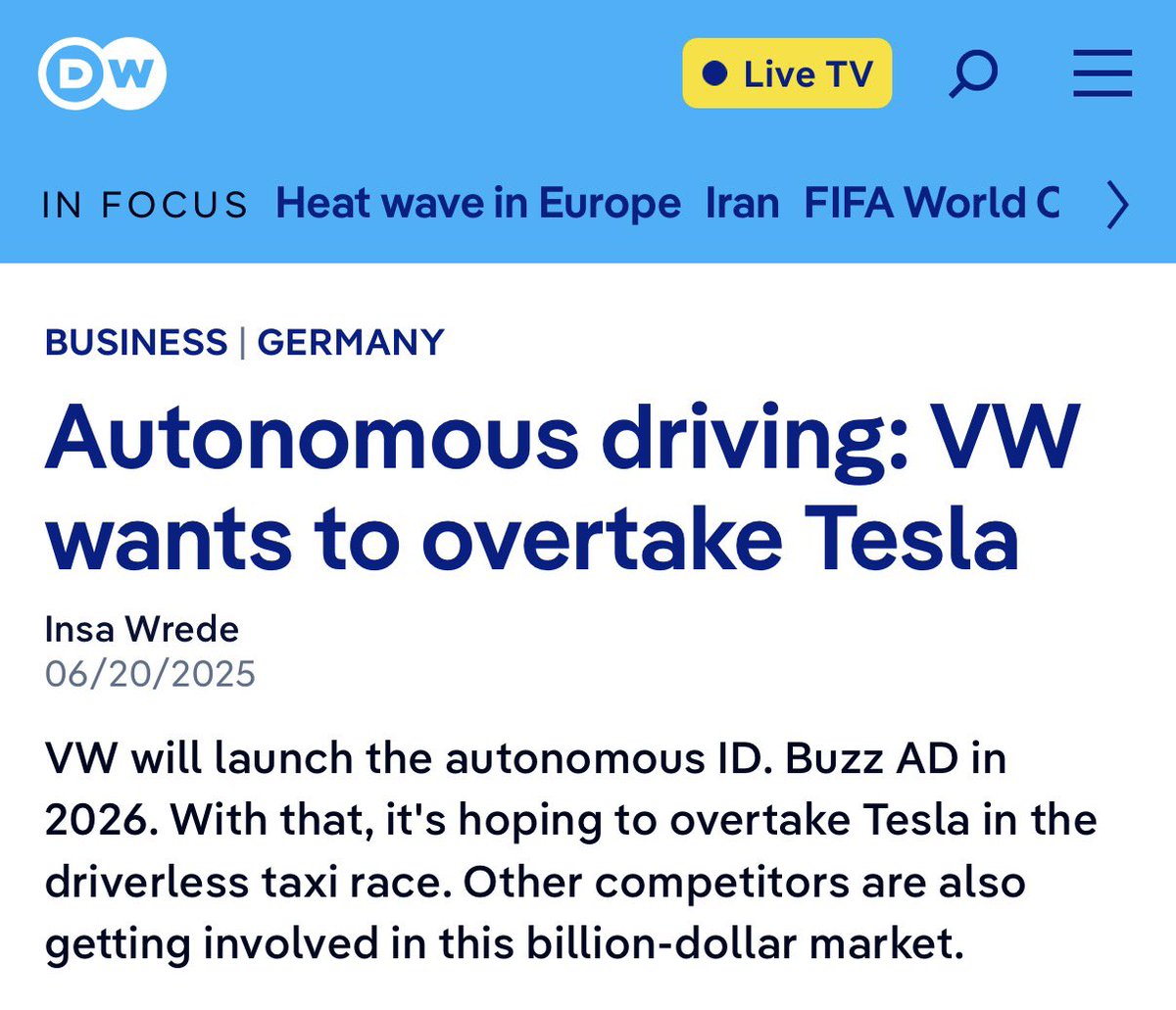
Every year brings a fresh wave of predictions: this is the year a competitor finally overtakes Tesla. Every year, the data tells a different story. A pointed post from Whole Mars Catalog this week captured the sentiment perfectly — and the Q1 2026 delivery numbers give it plenty of teeth.

What the Q1 2026 Numbers Actually Show
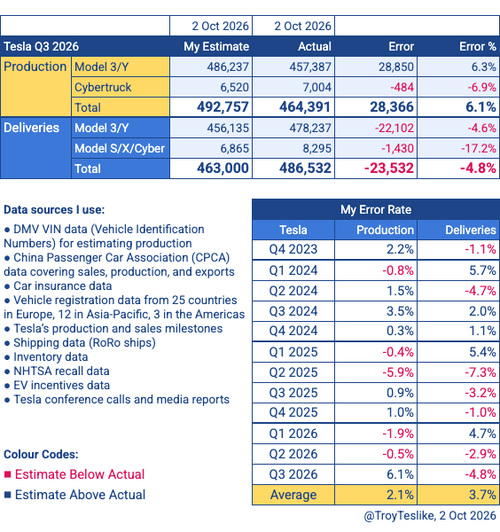
Tesla delivered 358,023 vehicles globally in Q1 2026, according to the company's official report — a 6.3% increase over Q1 2025. Model 3 and Model Y accounted for the bulk of that volume at 341,893 units, with the remaining 16,130 deliveries spread across Model S, Model X, and Cybertruck. Production came in at over 408,000 units, meaning Tesla built roughly 50,000 more vehicles than it delivered in the quarter, a sign of inventory build rather than demand collapse — a narrative that has circulated repeatedly in recent years without bearing out.
| Metric | Q1 2026 | YoY Change |
|---|---|---|
| Total Deliveries | 358,023 | +6.3% |
| Model 3/Y Deliveries | 341,893 | — |
| Other Models (S/X/CT) | 16,130 | — |
| Total Production | 408,000+ | — |
The Recurring Prediction Problem
The "overtake Tesla this year" narrative has become something of an annual ritual in EV industry coverage. It's not without basis — the global BEV market has grown significantly more competitive, and the 2025 annual sales landscape did shift in meaningful ways as Chinese manufacturers scaled aggressively. But quarterly delivery volume, brand recognition in Western markets, charging infrastructure, and software ecosystem depth are harder gaps to close than headline sales figures sometimes suggest.
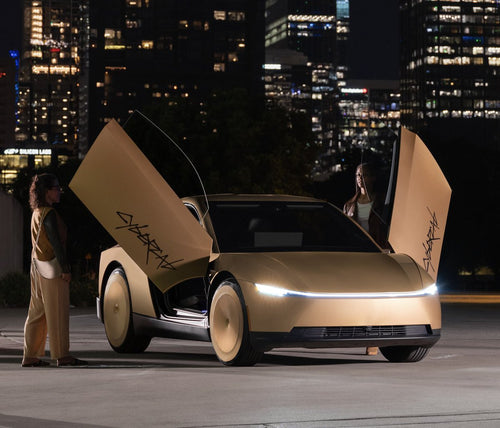
The Whole Mars Catalog post — accompanied by images that appear to reference competitor sales data — reflects a frustration shared by many Tesla watchers: that media framing of the competitive race often lags the actual numbers by several quarters, if not longer. The sarcasm lands because the prediction has been recycled so many times without materializing in the markets where Tesla is most dominant.
What This Means Going Into H2 2026
For Tesla owners and investors, the more relevant question isn't whether a competitor will eventually close the gap — some almost certainly will in specific segments — but whether Tesla's core advantages in software, the Supercharger network, and manufacturing cost efficiency remain durable. A 6.3% delivery increase in Q1 2026, against a backdrop of broader economic uncertainty and ongoing EV demand questions in key markets, suggests those advantages are still doing real work.
The second half of 2026 will be a more meaningful test. Refreshed and new models from multiple manufacturers are expected to reach volume production, and Tesla's own product roadmap — including the continued Cybercab ramp — will be under scrutiny. Whether the "overtake" narrative finally finds its moment, or gets recycled again into 2027, is a question the delivery reports will answer more honestly than any prediction cycle.
Related Gear
Gear up your Tesla with tested, custom-fit BASENOR accessories — shop Tesla accessories →
Sources & reporting notes
The links below identify the material source records used for this report.
- @wholemars on X (2026-06-29T06:05:45.000Z) — Direct source
Source links are preserved as published or accessed. See our editorial standards and corrections policy.
The BASENOR Editorial Desk covers Tesla, SpaceX, and related technology, curating reporting from primary sources — official accounts, regulatory filings, and software release data. Every article passes source-record and fact-checking review before publication. About the newsroom.
This report was curated by the BASENOR Editorial Desk from the sources listed above. Read our editorial standards or email editorial@basenor.com to report an error.