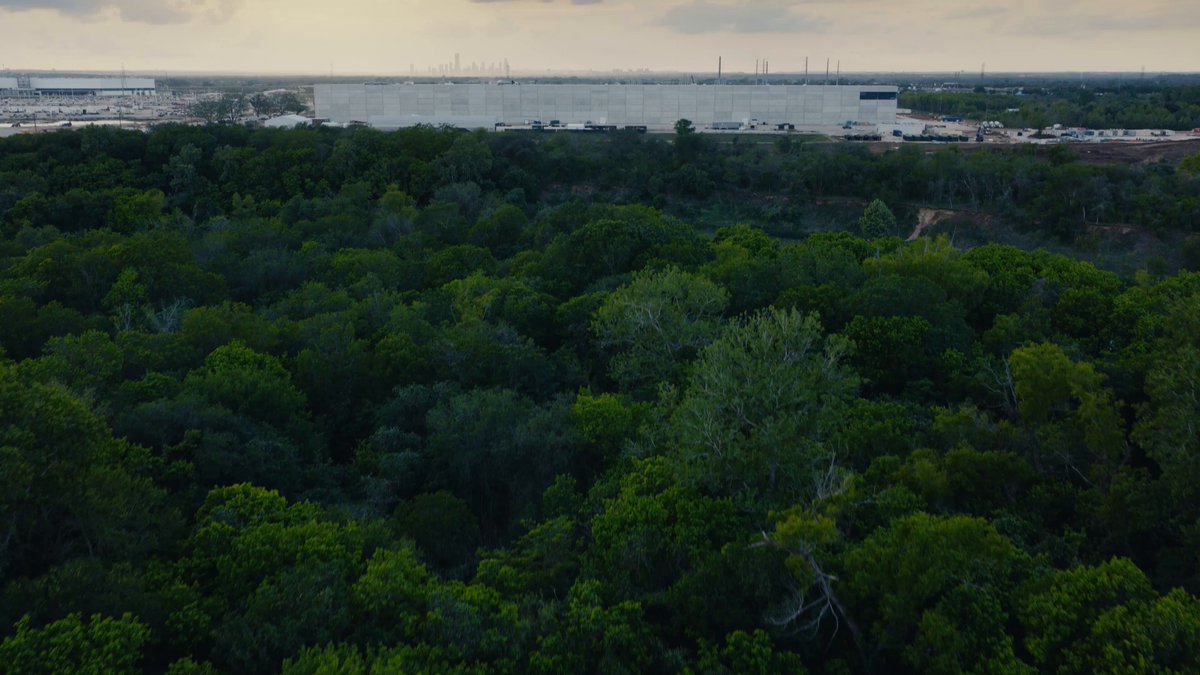
Tesla has confirmed that its cathode production facility at Gigafactory Texas is now operating at scale — the first plant of its kind in North America and a key piece of the company's 4680 battery cell supply chain. The announcement came via Tesla's North America account on Thursday, paired with the first public video showing the interior of the Austin cathode line in motion.
The milestone matters because cathode material is both the most expensive component in a lithium-ion cell and the piece of the battery supply chain most dominated by Chinese producers. Bringing large-scale cathode production onshore removes a major dependency for Tesla's US-built 4680 cells, which are already powering Cybertruck and select Model Y variants.

What Tesla Announced
The message from Tesla was brief but pointed: "We are operating the first large scale cathode production facility in North America as part of our 4680 cell production in Austin, TX." The accompanying video — reshared by Sawyer Merritt and other observers — offers the first inside look at the plant, showing the powder handling and coating sections that convert raw precursor materials into finished cathode active material ready for cell assembly.
Tesla first flagged the commencement of full-scale cathode production during its Q4 2025 earnings call on January 28, 2026, according to reporting from Teslarati and Manufacturing Dive. Thursday's announcement represents the company's first public visual confirmation that the line is running in a state Tesla is comfortable showcasing.
How We Got Here
Tesla's 4680 cell manufacturing at Giga Texas has been operational since 2022. According to Teslarati, the company produced its 100 millionth 4680 cell by September 2024, and by the close of that year the in-house 4680 had become Tesla's lowest-cost cell on a per-kWh basis. Weekly production reached nearly 1.4 million cells in March 2024.
The cathode facility is the missing upstream piece. Until now, Tesla was assembling cells in Austin but still relying on external suppliers for the coated cathode material at the heart of each cell. According to Manufacturing Dive, the cathode building is part of a broader $716 million expansion at Giga Texas covering roughly 1.55 million square feet, with the cathode plant itself representing an estimated $216 million of that investment.
The Numbers Behind the Plant
| Metric | Figure | Source |
|---|---|---|
| Cathode building investment | ~$216 million | Manufacturing Dive |
| Total Giga Texas expansion | ~$716 million / 1.55M sq ft | Manufacturing Dive |
| Initial cathode capacity | ~10 GWh | Manufacturing Dive |
| Cathode share of cell cost | >35% | Battery-tech.net |
| Projected cathode cost reduction (dry process) | >18% | Battery-tech.net |
| Equipment investment reduction vs. wet process | ~41% | Battery-tech.net |
| 100 millionth 4680 cell produced | September 2024 | Teslarati |
Why the Dry Electrode Process Matters
The Giga Texas line is doing more than just producing cathode material — it is running Tesla's fully dry-electrode process on both the anode and cathode, technology that traces back to Tesla's 2019 acquisition of Maxwell Technologies. According to Battery-tech.net, the approach took roughly five years to scale to production and is designed to eliminate the solvent-recovery ovens and drying tunnels that dominate conventional cell factories.
The payoff, if the technology holds at volume, is significant: a smaller factory footprint, dramatically lower energy consumption, and — according to industry estimates cited by Battery-tech.net — total vehicle battery cost savings in the 20-30% range once dry coating is fully scaled. Because cathode alone accounts for over 35% of cell cost, the dry cathode step is where the biggest gains sit.
What It Means for Tesla Owners and the Roadmap
For current Cybertruck owners and buyers of the Model Y variants using 4680 packs, the direct implication is supply-chain resilience: the cells in those cars now trace back to cathode material coated in Austin rather than imported from Asia. For Tesla's broader roadmap, the plant is a prerequisite for anything that needs a lot of cheap cells — including future affordable models, Semi ramp-up, and stationary storage products where cathode cost dominates the bill of materials.
It also strengthens Tesla's position under US battery-sourcing rules tied to the Inflation Reduction Act, where domestically processed cathode material can affect vehicle eligibility for consumer tax credits and commercial fleet incentives.
What to Watch Next
- Ramp curve. The plant is starting at roughly 10 GWh of capacity. Watch upcoming earnings calls for updates on utilization and any expansion beyond that initial number.
- Cell cost disclosures. Tesla previously said the 4680 became its lowest-cost cell per kWh at the end of 2024. Any updated per-kWh figure would signal whether the in-house cathode is actually delivering the promised savings.
- Model applications. 4680 cells currently sit in Cybertruck and select Model Y builds. Expansion into additional trims or new models would indicate Tesla is confident enough in supply to broaden the deployment.
- Regulatory recognition. Look for whether Tesla filings reference the Austin cathode plant in IRA compliance documentation for the 2026 and 2027 model years.
Thursday's video is short, but the message underneath it is longer-term: Tesla is now doing something no other North American automaker is doing at this scale — producing cathode material in-house, using a dry process, next door to the cells it goes into.
Related Gear
Gear up your Cybertruck with tested, custom-fit BASENOR accessories — shop Cybertruck accessories →
Sources & reporting notes
The links below identify the material source records used for this report.
- @tesla_na on X (2026-08-21T20:39:18.000Z) — Direct source
- @SawyerMerritt on X (2026-08-21T20:41:42.000Z) — Direct source
Source links are preserved as published or accessed. See our editorial standards and corrections policy.
The BASENOR Editorial Desk covers Tesla, SpaceX, and related technology, curating reporting from primary sources — official accounts, regulatory filings, and software release data. Every article passes source-record and fact-checking review before publication. About the newsroom.
This report was curated by the BASENOR Editorial Desk from the sources listed above. Read our editorial standards or email editorial@basenor.com to report an error.