Ashok Elluswamy, Tesla's Director of Autopilot and AI and the executive now running the Optimus program, has clarified the scale of Tesla's humanoid robot ambitions. In a brief but consequential post on X, Elluswamy corrected an earlier figure with three words that will define the debate around Tesla's next decade: 'Correction, 10 million robots.'
The number, if taken at face value, would eclipse the annual output of the entire global automotive industry. It also aligns with previously reported plans for Tesla's second Optimus production line in Austin, which is being architected for a long-term annual capacity of 10 million units — a target Elluswamy now appears to be personally endorsing.

What Elluswamy Actually Said
The correction is short, but the context matters. Elluswamy took over leadership of the Optimus program in June 2025, according to previous reporting from Business Insider and other outlets, replacing Milan Kovac. Since then, he has publicly stated that Optimus 'will not disappoint' and that ongoing training could push the platform toward what he described as a 'superhuman level' of capability.
That framing is important because the 10-million figure is not a near-term production goal. It is a long-term capacity target for a second, larger production line — one that industry reporting has placed at Gigafactory Texas and expected to begin ramping in 2027. Tesla's first-generation Optimus line, being installed in Fremont on the space vacated by Model S and Model X production, is designed for roughly 1 million units per year, according to multiple public reports.
The Numbers Behind the Roadmap
| Milestone | Target | Timing |
|---|---|---|
| Fremont Line 1 annual capacity | ~1 million robots/yr | First-gen ramp |
| Mass production start | Gigafactory Texas | End of 2026 |
| Austin Line 2 long-term capacity | 10 million robots/yr | Starting 2027 |
| Estimated cost per unit at scale | $20,000–$25,000 | At 1M/yr run rate |
Elon Musk has previously estimated the per-unit production cost at $20,000 to $25,000 once annual volumes reach one million — a figure that would already put Optimus in a different manufacturing regime than any humanoid robot on the market today. Extrapolating that to 10 million units implies a supply chain, actuator sourcing operation, and battery cell allocation that no company has ever attempted for a robotics product.
How We Got Here
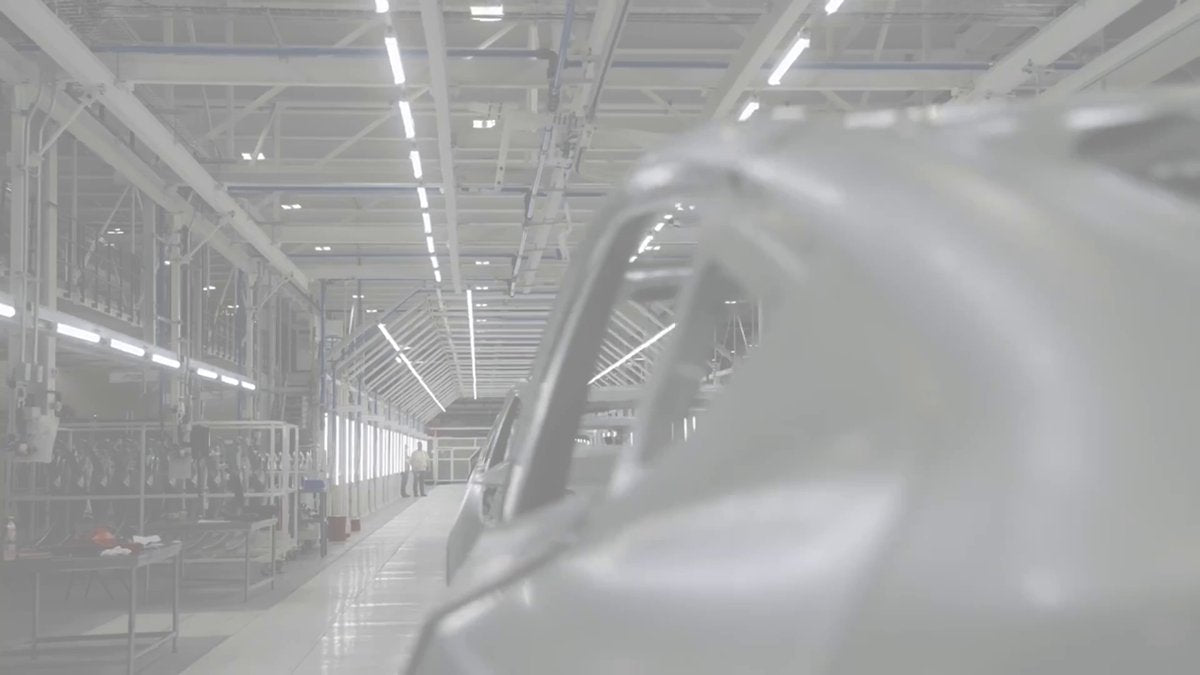
The 10-million target does not exist in isolation. It is the reason Tesla ended Model S and Model X production in Fremont around May 2026 — the S/X line was dismantled specifically to make room for Optimus manufacturing. That is one of the most consequential product decisions in Tesla's history: the company retired its two flagship halo vehicles to prioritize a robot that has not yet reached mass production.
Existing Model S and Model X owners continue to receive OTA software and FSD updates normally, but no new S or X vehicles are being built. The strategic bet is unambiguous: Tesla's leadership believes Optimus, not another luxury sedan refresh, is the highest-value use of that manufacturing footprint.
Optimus version 3 — the design Tesla intends to actually mass produce — has not been publicly revealed as of April 2026, with Musk stating it would be unveiled closer to the start of production. The current-generation robots on Tesla factory floors are being used for material handling, parts inspection, sorting 4680 battery cells, kitting, and pick-and-place operations, according to previous Tesla communications. These deployments are as much data-collection exercises as they are productive work.
What This Means for Tesla Owners and Investors
For Tesla vehicle owners, the immediate impact is limited — the Optimus program does not currently affect the software, hardware, or service experience of any Tesla vehicle. But the longer-term implications are significant. Every dollar of capex and every square foot of factory space allocated to Optimus is a resource not spent on vehicle capacity expansion, and the 10-million target signals that Optimus will remain Tesla's primary capital priority through the end of the decade.
For anyone tracking Tesla as a business, Elluswamy's correction is meaningful because it comes from the executive actually running the program, not from Musk on a keynote stage. When the person responsible for hitting the number is publicly endorsing 10 million, that is a stronger signal than the same figure delivered as marketing hyperbole.
What to Watch Next
- Optimus V3 reveal: Musk has said the production-intent design will be unveiled closer to mass production start. Any reveal before year-end 2026 would confirm the ramp is on schedule.
- Austin Line 2 groundbreaking milestones: The 10-million capacity is tied to a specific facility. Public evidence of tooling installation or hiring at Gigafactory Texas will be the clearest signal that the target is real.
- Fremont Line 1 first-unit rollout: The former S/X floor space is being converted now. First saleable units off that line, expected around end of 2026, will validate the base case before the 10x scaling attempt begins.
- Cost curve disclosures: Tesla has telegraphed $20K–$25K per unit at 1M annual volume. Any earnings-call update on actual bill-of-materials would materially change the investment thesis.
Frequently Asked Questions
Is the 10 million figure a near-term production target?
No. Based on prior reporting, 10 million refers to the long-term annual capacity of a second Optimus production line in Austin, expected to start ramping in 2027. The first-generation Fremont line is designed for approximately 1 million units per year, with mass production expected to begin at the end of 2026.
Does this affect current Tesla vehicles?
Not directly. Optimus is a separate product line. However, Tesla ended Model S and Model X production in Fremont around May 2026 to convert that manufacturing space to Optimus, so the robot program is already reshaping Tesla's vehicle lineup. Existing S and X owners continue to receive OTA and FSD updates normally.
Who is Ashok Elluswamy?
Elluswamy is Tesla's Director of Autopilot and AI. He took over leadership of the Optimus program in June 2025, according to previous reporting, and is now the executive most directly responsible for delivering on the 10-million target.
How much will an Optimus robot cost?
Elon Musk has estimated production cost at $20,000 to $25,000 per unit once Tesla reaches annual production of one million robots. Retail pricing for commercial customers has not been finalized publicly.
When can non-Tesla customers buy one?
Broader commercial availability is targeted for 2027, according to prior Tesla statements. Initial deployments are within Tesla's own factories for material handling, battery cell sorting, and kitting tasks — as much for AI training data as for productive work.
Elluswamy's three-word correction won't move markets by itself. But it is the clearest indication yet that the people building Optimus — not just the people marketing it — are targeting a production scale unlike anything ever attempted in robotics. Whether Tesla can actually deliver 10 million humanoid robots a year from a single facility is the trillion-dollar question. Elluswamy just made clear he's willing to put his name on the answer.
🤖 Tracking Tesla's humanoid robot? See every Optimus production milestone and appearance in our Tesla Optimus Tracker.
Related Gear
Gear up your Tesla with tested, custom-fit BASENOR accessories — shop Tesla accessories →
Sources & reporting notes
The links below identify the material source records used for this report.
- @aelluswamy on X (2026-07-30T16:17:04.000Z) — Direct source
Source links are preserved as published or accessed. See our editorial standards and corrections policy.
The BASENOR Editorial Desk covers Tesla, SpaceX, and related technology, curating reporting from primary sources — official accounts, regulatory filings, and software release data. Every article passes source-record and fact-checking review before publication. About the newsroom.
This report was curated by the BASENOR Editorial Desk from the sources listed above. Read our editorial standards or email editorial@basenor.com to report an error.