📌 UPDATE — July 22, 2026
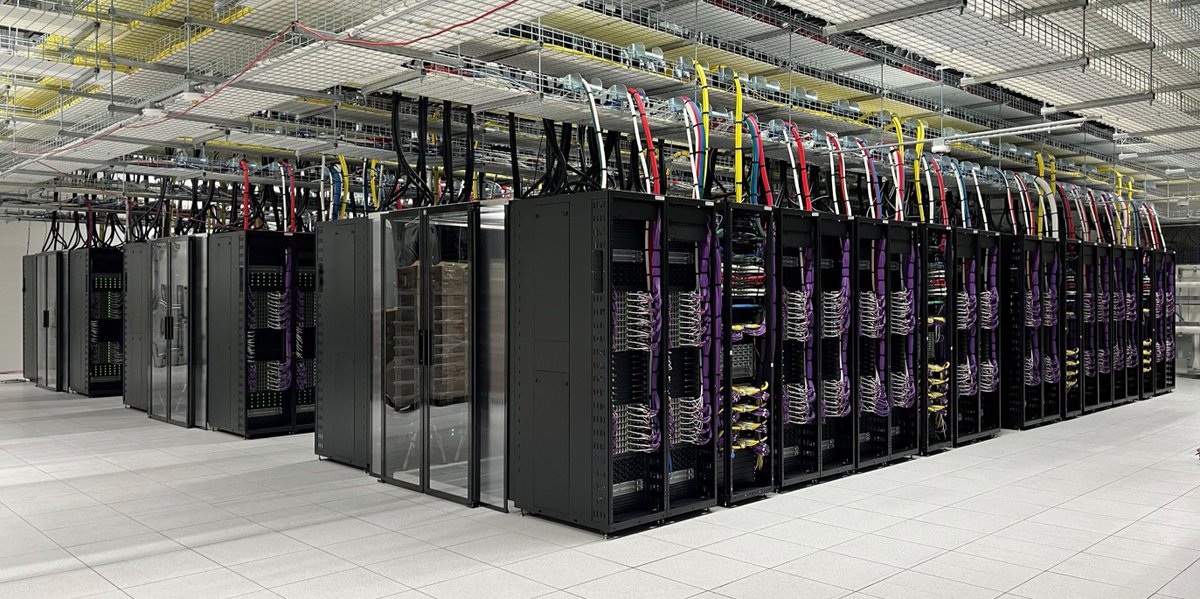
Tesla has confirmed it more than doubled its onsite compute capacity in Texas (by MW) during the first half of 2026 alone — ahead of the full-year ramp outlined in our original article. The expansion is driven by Cortex 2, which Tesla says supports development of both vehicle autonomy and humanoid robot (Optimus) autonomy software. Tesla added that Cortex 2 will "ramp further over the rest of the year," signaling the ~400 MW target by late 2026 remains on track or could be exceeded. This is the first time Tesla has explicitly tied Cortex 2 capacity to Optimus robot training alongside FSD development.

Tesla is planning a dramatic expansion of its onsite AI compute capacity at Giga Texas, with a target of nearly 400 megawatts by the second half of 2026. That's a 60% jump from June 2026 levels — and a 220% increase from where things stood at the end of 2025. The scale of this buildout has real implications for how fast Tesla can train its self-driving models, develop Optimus, and push future software capabilities to your car.

What exactly is Tesla building at Giga Texas?
Tesla is expanding what's known as the Cortex cluster — its onsite AI supercomputing infrastructure used to train neural networks for FSD, Autopilot, and robotics. According to previous reporting, the full Cortex 2.0 cluster at Giga Texas is designed to reach a total capacity of 500 MW. The nearly 400 MW target for late 2026 would put Tesla at roughly 80% of that full buildout, making it one of the largest dedicated AI training facilities operated by any automaker in the world.
Why does compute capacity matter for Tesla owners?
More compute means faster training cycles for Tesla's AI models. Every improvement to FSD — smoother lane changes, better handling of complex intersections, improved reaction to pedestrians — comes from training runs on massive datasets. When Tesla can run more training iterations in less time, software updates that improve your car's driving behavior can ship faster. The compute expansion is essentially the engine behind the software improvements that arrive via OTA. For owners waiting on FSD milestones or Robotaxi rollout, this infrastructure investment is a direct upstream factor.
How fast is this growth, really?
The numbers are worth sitting with. A 220% increase from end-of-2025 levels means Tesla is planning to more than triple its Texas AI compute in roughly 12 months. Even the 60% jump from June to late 2026 — just a few months — reflects an aggressive deployment pace. For context, building and energizing compute at this scale requires significant power infrastructure, custom cooling, and coordinated hardware procurement. Tesla pulling this off on this timeline would be a substantial operational achievement.
Is this all for FSD, or does it serve other projects?
The Cortex cluster at Giga Texas trains models across Tesla's AI portfolio — not just FSD. Optimus robot development relies heavily on the same training infrastructure, as does Tesla's work on vision-based AI systems more broadly. Grok and xAI operate separately under a different organizational structure, so this Texas compute is specifically Tesla's internal resource. As Tesla scales Optimus production and pushes toward unsupervised FSD, the demand for training compute only grows — which is likely why this expansion is happening at this pace.
What's the 500 MW endpoint, and when does Tesla get there?
Based on background research, the full Cortex 2.0 design spec calls for 500 MW of total capacity. If Tesla reaches nearly 400 MW by late 2026, the remaining ~100 MW gap to the full design target is the logical next phase — though no specific timeline for that final tranche has been publicly confirmed. The 400 MW milestone itself hasn't been officially announced by Tesla; it comes via reporting from @SawyerMerritt, a well-sourced Tesla news tracker. Treat the 500 MW endpoint as the stated design ceiling, with timing for the final phase still open.
The pace of this buildout suggests Tesla is treating AI infrastructure as a core competitive asset, not a back-office cost. Whether that translates into a step-change in FSD capability in 2026 or early 2027 is the question owners and investors are watching most closely. For our FSD coverage, that's the thread worth following.
🤖 Tracking Tesla's humanoid robot? See every Optimus production milestone and appearance in our Tesla Optimus Tracker.
Related Gear
Gear up your Tesla with tested, custom-fit BASENOR accessories — shop Tesla accessories →
Sources & reporting notes
The links below identify the material source records used for this report.
- @SawyerMerritt on X (2026-07-22T20:37:59.000Z) — Direct source
Source links are preserved as published or accessed. See our editorial standards and corrections policy.
The BASENOR Editorial Desk covers Tesla, SpaceX, and related technology, curating reporting from primary sources — official accounts, regulatory filings, and software release data. Every article passes source-record and fact-checking review before publication. About the newsroom.
This report was curated by the BASENOR Editorial Desk from the sources listed above. Read our editorial standards or email editorial@basenor.com to report an error.