Elon Musk posted two things in quick succession early Tuesday morning: a four-word dismissal of Tesla's robotaxi competition and a video captioned 'A Storm of Cybercabs.' Together, they sketch a picture of a program that has moved from concept to genuine operational scale faster than most analysts expected. Here's what the data behind those posts actually shows.
1. The Austin fleet has grown tenfold since launch
Tesla launched its Cybercab robotaxi service in Austin on September 3, 2026. According to verified reporting, the fleet in that city has since grown to over 300 vehicles — a tenfold increase in under two months. That kind of ramp rate is what Musk's 'storm' framing is pointing at: this isn't a pilot with a handful of cars; it's a deployment that is compounding quickly. Volume production of the Cybercab itself began in April 2026, giving Tesla a meaningful head start on building inventory before service launched.
2. Dallas is next, and a multi-city map is already drawn
Tesla plans to expand Cybercab service to Dallas in November 2026, according to background research. Beyond that, the roadmap includes Las Vegas, Jacksonville, Phoenix, and San Antonio — though specific launch dates for those cities have not been confirmed. Meanwhile, Tesla's Model Y Robotaxis are already operating in Houston, Miami, Orlando, and Tampa. The Houston geofence received a significant expansion on October 26, 2026, one day before Musk's posts. The combined footprint is no longer a single-city experiment.
3. Over 3.3 million unsupervised autonomous miles logged
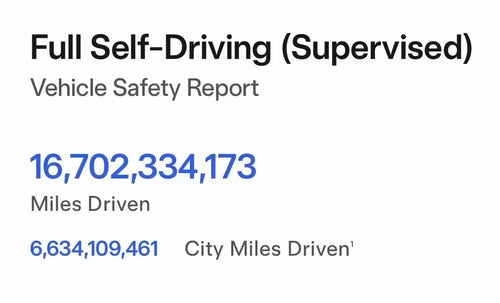
As of October 18, 2026, Tesla's combined Robotaxi fleet — Cybercabs and Model Y units — had accumulated over 3.3 million unsupervised autonomous miles, according to verified sources. That figure matters because it represents real-world edge cases, not controlled test routes. Every mile adds to the training dataset and, more practically, to the safety record Tesla will need when regulators ask hard questions. NHTSA opened an Audit Query (AQ26002) on September 3, 2026, specifically to investigate Tesla's self-certification that the Cybercab meets Federal Motor Vehicle Safety Standards despite having no manual controls. Tesla's response deadline is October 30, 2026 — three days from now.
4. The Cybercab's hardware is purpose-built for this job
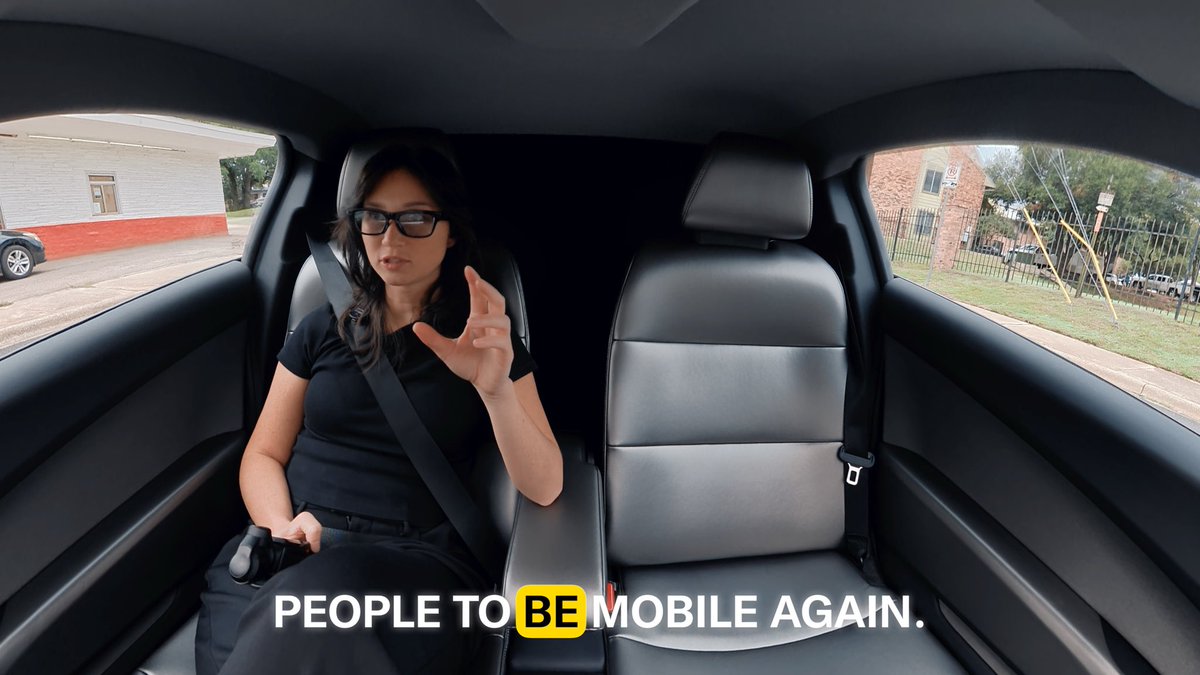
Unlike retrofitted vehicles, the Cybercab was designed from the ground up as a robotaxi. It carries two passengers, runs on a 48 kWh battery with a single 163 kW permanent-magnet motor, weighs 3,113 lbs, and has an estimated range of approximately 293 miles at 165 Wh/mile efficiency. There is no steering wheel, no pedals, no side mirrors, and no rear window. The autonomous system is camera-only. Grok AI is integrated for passenger interaction — voice commands for tasks like adding items to a cart or sending emails — with automatic logout at trip end for privacy. The fare structure in Austin is $3.25 base plus $1.00 per mile.
5. Private customer deliveries are still on the 2026 calendar
Tesla has stated it aims to begin delivering Cybercabs to private customers before the end of 2026, though the 'vast majority' of units will remain Tesla-owned for fleet use. No official retail price has been confirmed on recent earnings calls, though Musk has previously indicated an expected cost below $30,000. That private ownership path matters: it would create a second revenue model where individual owners can deploy their vehicles into the Tesla Network when not in personal use — a flywheel that could accelerate fleet growth without Tesla bearing the full capital cost of every car on the road.
The 'storm' framing Musk chose isn't just rhetorical. A fleet that has grown tenfold in eight weeks, a multi-city expansion already scheduled, and 3.3 million autonomous miles on the books represent a program that has cleared the hardest phase — proving it can operate at all. The open question now is whether the NHTSA response due October 30 introduces any friction, and how quickly the Dallas launch translates into the kind of density Austin is starting to show.
🚕 Following the Robotaxi rollout? See every operating city, launch date and announced market in our Tesla Robotaxi Tracker.
Related Gear
Gear up your Tesla with tested, custom-fit BASENOR accessories — shop Tesla accessories →
Sources & reporting notes
The links below identify the material source records used for this report.
- @elonmusk on X (2026-10-27T04:03:29.000Z) — Direct source
- @elonmusk on X (2026-10-27T04:24:06.000Z) — Direct source
Source links are preserved as published or accessed. See our editorial standards and corrections policy.
The BASENOR Editorial Desk covers Tesla, SpaceX, and related technology, curating reporting from primary sources — official accounts, regulatory filings, and software release data. Every article passes source-record and fact-checking review before publication. About the newsroom.
This report was curated by the BASENOR Editorial Desk from the sources listed above. Read our editorial standards or email editorial@basenor.com to report an error.