A bipartisan group of US House lawmakers has introduced legislation that would require electric vehicle owners to pay a $130 annual fee — and plug-in hybrid owners $35 — to help fund federal road repairs. The proposal is embedded in a sweeping five-year highway reauthorization bill estimated at roughly $580 billion, and it's moving fast: current transportation authorizations expire on September 30.

The Logic Behind the Fee
The core argument is straightforward: EV and PHEV drivers use public roads just as much as gasoline-powered vehicles, but they contribute nothing to the federal Highway Trust Fund, which is financed almost entirely by the 18.4-cent-per-gallon federal gas tax. As EV adoption has grown, that revenue base has eroded — and road maintenance budgets have felt the squeeze.
House Transportation Committee Chair Sam Graves and ranking member Rick Larsen are both backing the measure, framing it as a "user-pays" model. The bipartisan support is notable: road funding is one of the few infrastructure issues where both parties can find common ground, even if the mechanism is contentious.
The legislation would also give the Federal Highway Administration authority to incrementally raise the fees over time — up to $150 annually for EVs and $50 for PHEVs — keeping pace with inflation and rising road-use costs.
What's Covered — and What Isn't
The fee structure draws a clear line between vehicle types. Full battery-electric vehicles face the $130 annual charge. Plug-in hybrids — which still burn gasoline and therefore contribute some gas-tax revenue — would pay a lower $35 fee. Conventional hybrids like the Toyota Prius, which cannot be plugged in, are explicitly excluded from the new fees entirely.
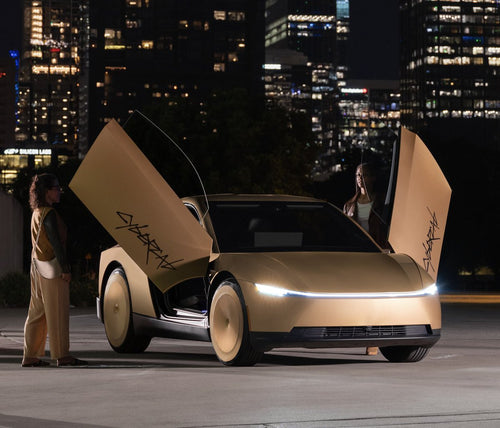
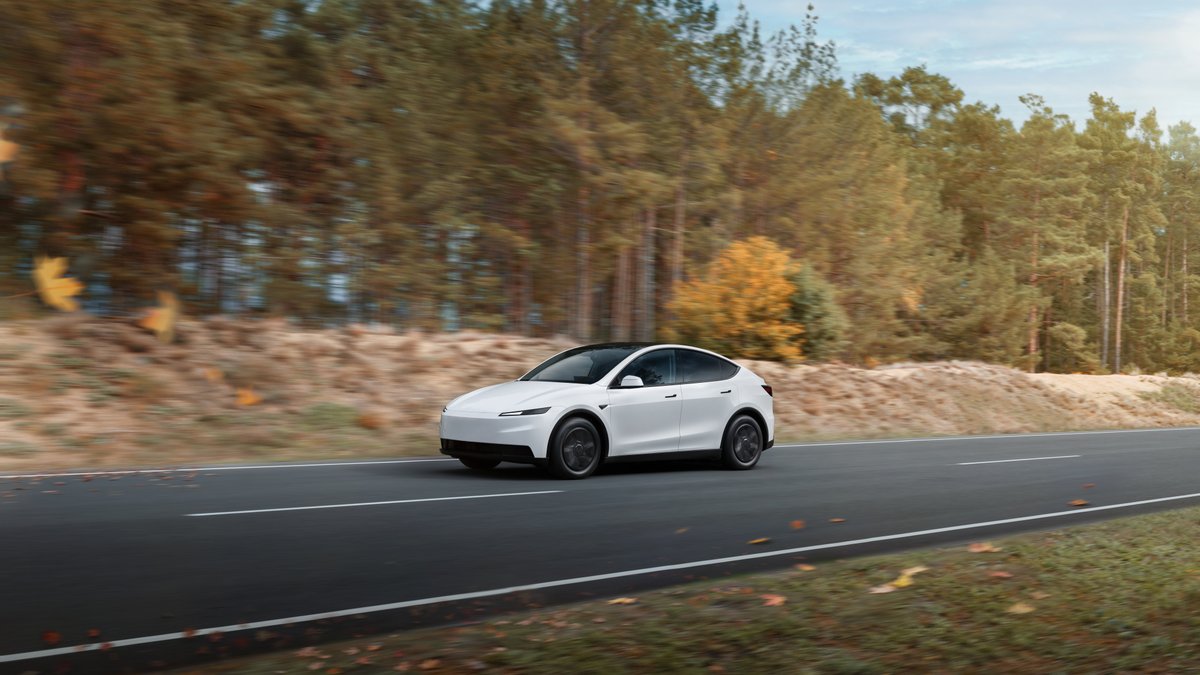
For Tesla owners specifically, every vehicle in the current lineup — Model 3, Model Y, Model S, Model X, and Cybertruck — would fall under the $130 annual EV fee if the bill passes as written.

The Opposition Case
Not everyone is on board. Senate Democrats, including Senators Ron Wyden and Sheldon Whitehouse, have pushed back, arguing that layering new annual fees onto EV ownership could slow adoption at exactly the moment the US is trying to build out a domestic EV industry. Their concern: the fee functions as a penalty on a cleaner technology, and the timing — coming alongside other federal EV incentive rollbacks — compounds the financial pressure on prospective buyers.
It's a legitimate tension. The user-pays principle is economically sound, but the policy question is whether this is the right moment to apply it, and whether a flat annual fee is the fairest mechanism compared to alternatives like vehicle-miles-traveled (VMT) tracking.
What This Means in Practice
| Vehicle Type | Proposed Annual Fee | Potential Maximum |
|---|---|---|
| Battery Electric Vehicle (BEV) | $130 | $150 |
| Plug-in Hybrid (PHEV) | $35 | $50 |
| Conventional Hybrid | $0 | $0 |
In dollar terms, $130 a year is less than most Tesla owners spend on a single Supercharger road trip session. It's not a budget-breaking number. But it does represent a meaningful policy shift — the formal acknowledgment by Congress that EV owners should contribute directly to road infrastructure, separate from any state-level EV registration fees that many states already charge.
Worth noting: more than 30 US states already impose their own annual EV fees, ranging from around $50 to over $200. If this federal fee passes, Tesla owners in those states would effectively be paying both — stacking a federal charge on top of whatever their state already collects.
The bill's September 30 deadline for current transportation authorizations creates real legislative urgency. Whether the EV fee survives intact through the Senate — where opposition is already forming — is the key variable to watch over the coming months.
Related Gear
Gear up your Tesla with tested, custom-fit BASENOR accessories — shop Tesla accessories →
Sources & reporting notes
The links below identify the material source records used for this report.
- @SawyerMerritt on X (2026-05-18T14:24:38.000Z) — Direct source
- @SawyerMerritt on X (2026-05-18T14:24:39.000Z) — Direct source
Source links are preserved as published or accessed. See our editorial standards and corrections policy.
The BASENOR Editorial Desk covers Tesla, SpaceX, and related technology, curating reporting from primary sources — official accounts, regulatory filings, and software release data. Every article passes source-record and fact-checking review before publication. About the newsroom.
This report was curated by the BASENOR Editorial Desk from the sources listed above. Read our editorial standards or email editorial@basenor.com to report an error.