SpaceX executed another clean national security mission Friday night, lifting off from Vandenberg Space Force Base and returning the first stage to a droneship in the Pacific — all within about 13 minutes. Here's a breakdown of the five details worth knowing from the USSF-432 launch.

1. The Launch Site: Pad 4E at Vandenberg
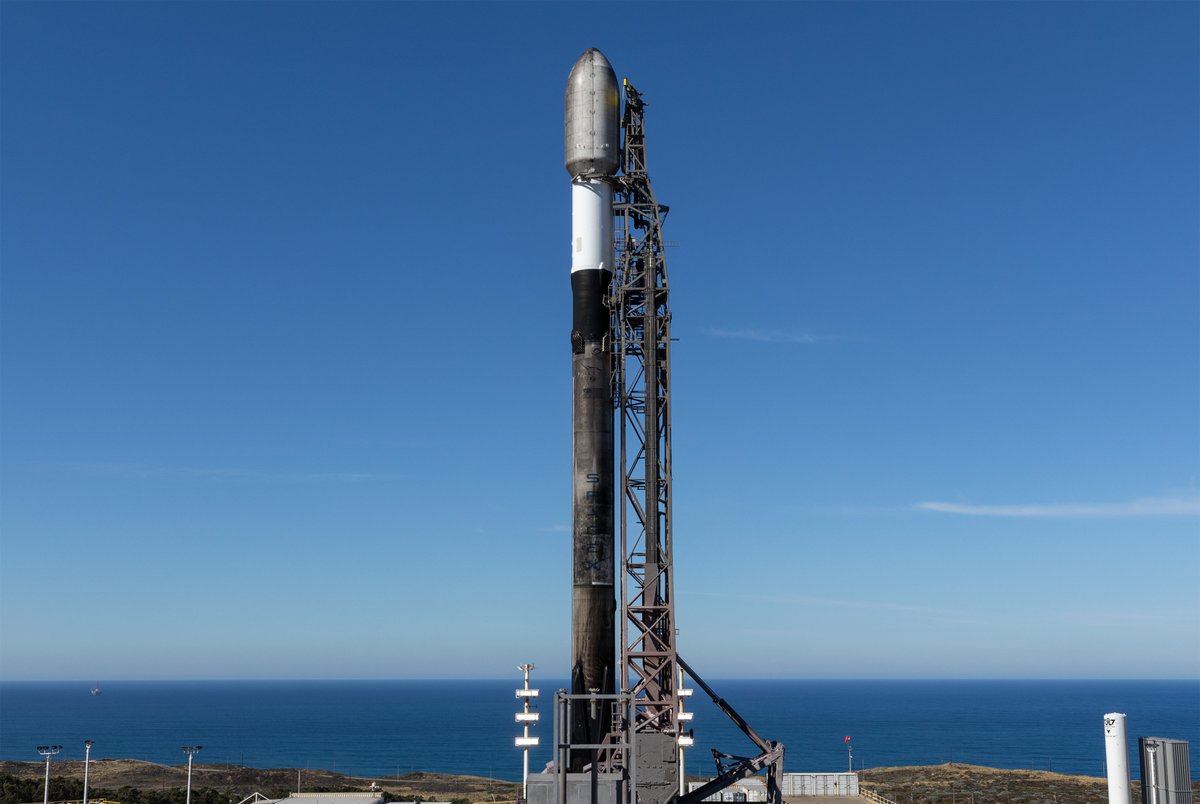
USSF-432 lifted off from Space Launch Complex 4-East (SLC-4E) at Vandenberg Space Force Base in California. SLC-4E is SpaceX's dedicated West Coast pad, purpose-built for missions heading into polar or sun-synchronous orbits — trajectories that serve reconnaissance and national security payloads particularly well. Launching from California rather than Florida keeps the rocket's flight path over open ocean and away from populated areas, a standard requirement for classified government missions.
2. The Payload: Classified, but Likely Starshield
The exact payload details are classified, as is standard for U.S. Space Force contracts. According to pre-launch tracking sources, the mission is believed to involve a batch of satellites — potentially around 23 — built on SpaceX's Starshield satellite bus, a hardened variant of the Starlink platform designed for government intelligence and communications use. SpaceX has not confirmed payload specifics, and the U.S. Space Force has not released additional details.
3. Booster B1095 on Its Eighth Flight
The first stage supporting this mission was booster B1095, flying for the eighth time according to NASASpaceflight's launch call. That flight count is a meaningful data point — SpaceX's operational cadence now routinely puts boosters through six, eight, even ten or more flights before retirement. Each successful reuse directly reduces the per-launch cost for customers like the Space Force, which has historically paid a premium for dedicated national security launches.

4. The Landing: Of Course I Still Love You, Again
About nine minutes after liftoff, B1095 touched down on SpaceX's droneship Of Course I Still Love You, stationed in the Pacific Ocean. The landing was confirmed by both SpaceX and NASASpaceflight within seconds of each other. West Coast missions consistently use OCISLY, which positions itself downrange along the rocket's southward trajectory. The ship's name — borrowed from Iain M. Banks' sci-fi novels — has become one of the more recognizable fixtures of SpaceX's reusability program.

5. The Timeline: Under 13 Minutes Start to Touchdown
Propellant loading began shortly before 12:35 AM UTC on November 7, liftoff came at 12:49 AM UTC, and booster touchdown was confirmed at approximately 12:59 AM UTC — roughly ten minutes of powered flight from launch to landing. The upper stage continued downrange to deploy its payload into the target orbit. The entire sequence, from SpaceX's pre-launch all-clear tweet to confirmed landing, unfolded in under 53 minutes. That kind of operational rhythm — national security payload, classified orbit, recovered booster — has become routine for SpaceX in a way that would have seemed implausible for a government launch just a decade ago.
For more on SpaceX's launch cadence and what it means for the broader space industry, see our SpaceX coverage.
Sources & reporting notes
The links below identify the material source records used for this report.
- @SpaceX on X (2026-11-07T00:06:48.000Z) — Direct source
- @SpaceX on X (2026-11-07T00:35:56.000Z) — Direct source
- @SpaceX on X (2026-11-07T00:49:44.000Z) — Direct source
- @NASASpaceflight on X (2026-11-07T00:49:51.000Z) — Direct source
- @NASASpaceflight on X (2026-11-07T00:57:58.000Z) — Direct source
- @SpaceX on X (2026-11-07T00:59:04.000Z) — Direct source
Source links are preserved as published or accessed. See our editorial standards and corrections policy.
The BASENOR Editorial Desk covers Tesla, SpaceX, and related technology, curating reporting from primary sources — official accounts, regulatory filings, and software release data. Every article passes source-record and fact-checking review before publication. About the newsroom.
This report was curated by the BASENOR Editorial Desk from the sources listed above. Read our editorial standards or email editorial@basenor.com to report an error.