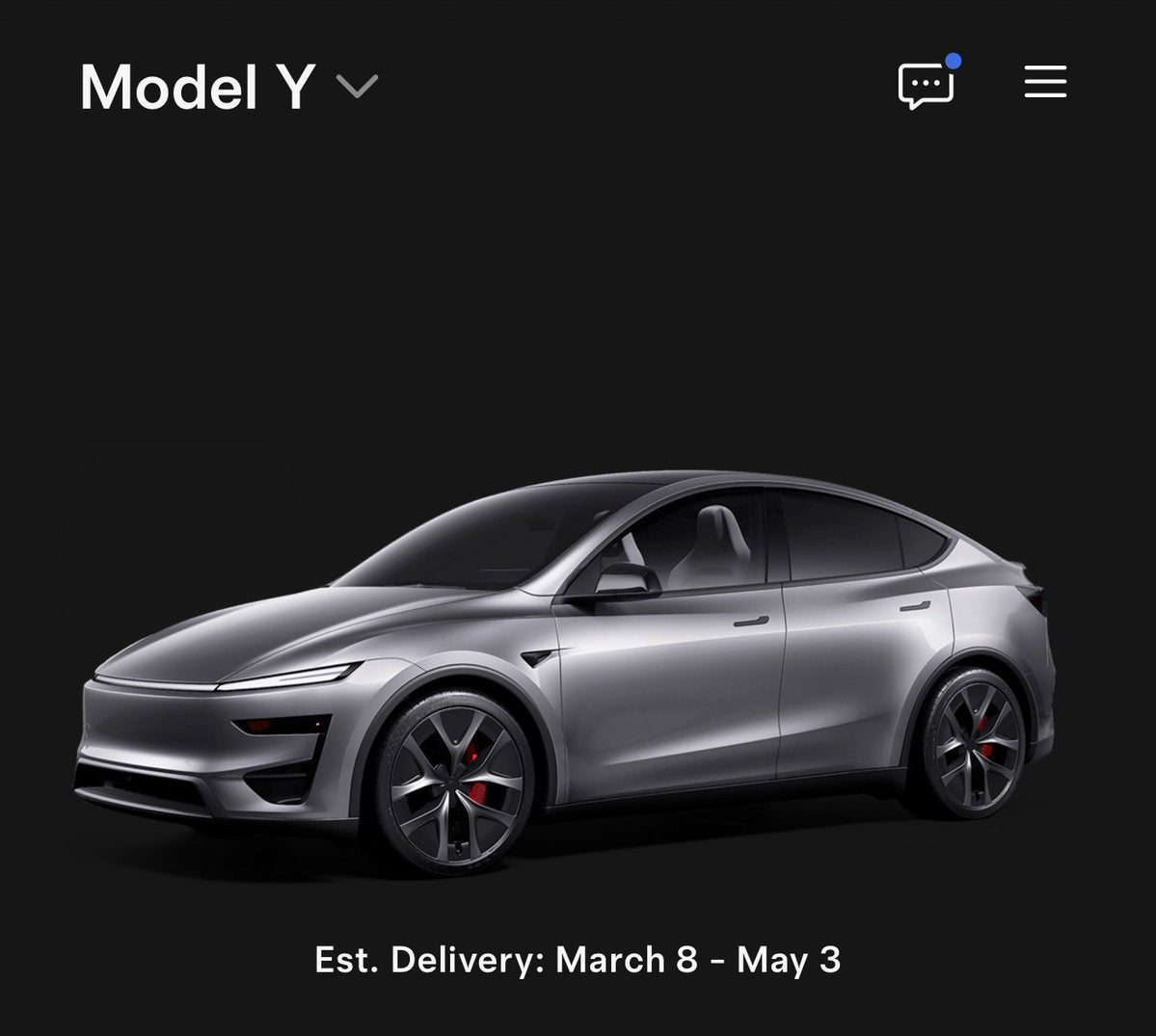
Tesla's official account flagged something worth paying attention to: a Porsche 911 driver ordered a Model Y Performance. The stated reasons — FSD Supervised, ride quality, and Grok SI integration — aren't random talking points. They reflect how Tesla is positioning its software stack as a genuine purchase driver, not just a feature checklist. Here's what the story actually tells us.

1. Tesla Is Actively Amplifying Conquest Stories
Tesla's official account doesn't repost customer anecdotes by accident. Highlighting a Porsche 911 driver — someone who owns a car defined by driving engagement and brand prestige — is a deliberate signal. The message is that Model Y Performance is now competing not just on value, but on the kind of driving experience that attracts enthusiast buyers. When Tesla's own marketing arm surfaces a story like this, it's telling you what it believes its strongest sales arguments are right now.
2. FSD Supervised Is Becoming a Purchase Motivator
For years, FSD was something existing Tesla owners debated upgrading to. It's increasingly showing up as a reason people choose Tesla over competitors in the first place. According to Tesla's own framing in September 2026, "FSD Supervised w/ Grok" is being positioned as a preview of the Robotaxi era — a personal autonomous driving experience you can access today. For a driver evaluating a long-term vehicle purchase, the trajectory of that technology carries real weight.
3. Grok SI Has Grown Into a Genuine In-Car AI
Grok's evolution inside Tesla vehicles has been rapid. It launched as a screen-based chatbot in mid-2025, gained "Hey Grok" voice activation with the Spring 2026 update (version 2026.14), and by Summer 2026 (version 2026.26) could handle navigation, calls, music, climate, and seat heating through voice alone. Multi-command execution — issuing several vehicle actions in a single request — arrived in the same update. The most recent addition, Grok Bot, launched September 22, 2026, enabling delegated tasks like ordering products or managing emails by voice, though full multi-step execution currently requires a SuperGrok Heavy subscription. For a prospective buyer evaluating the in-car experience, this is a meaningfully different proposition than it was even 12 months ago.
4. Hardware Requirements Mean Not Every Tesla Gets the Full Experience
Worth knowing if you're comparing notes with other owners: Grok requires an AMD Ryzen infotainment computer (MCU3), found in vehicles built since late 2021, plus an active Premium Connectivity subscription or Wi-Fi. Model Y units in that window are covered. But if you're on older hardware, the Grok SI experience that apparently helped close this sale isn't fully available to you — yet. This is a relevant detail for anyone considering a used Tesla purchase alongside a new one.
5. Ride Quality Is Still Doing Heavy Lifting
It's easy to focus on the software angle, but Tesla specifically listed ride quality alongside FSD and Grok — and that's not a throwaway detail. The Juniper refresh brought suspension and NVH improvements that reviewers noted were a genuine step up from the previous generation. For someone coming from a 911, ride refinement matters. The fact that a driver accustomed to Porsche's chassis tuning found Model Y Performance's ride quality compelling suggests the hardware improvements are landing with the audience Tesla most wants to reach.
Taken together, these three factors — autonomous driving capability, an AI assistant that can actually control the car, and a chassis refined enough to satisfy an enthusiast — represent Tesla's current pitch to buyers who have options. Whether this conversion story is representative of a broader trend or a well-chosen highlight, the combination Tesla is leading with tells you a lot about where the product is headed.
Related Gear
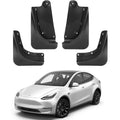
Gear up your Model Y with tested, custom-fit BASENOR accessories — shop Model Y accessories →
Sources & reporting notes
The links below identify the material source records used for this report.
- @Tesla on X (2026-10-19T01:58:34.000Z) — Direct source
Source links are preserved as published or accessed. See our editorial standards and corrections policy.
The BASENOR Editorial Desk covers Tesla, SpaceX, and related technology, curating reporting from primary sources — official accounts, regulatory filings, and software release data. Every article passes source-record and fact-checking review before publication. About the newsroom.
This report was curated by the BASENOR Editorial Desk from the sources listed above. Read our editorial standards or email editorial@basenor.com to report an error.