The X Takeover event at Giga Texas on October 9–10, 2026 gave Tesla's Cybercab robotaxi service its most visible stress test yet. More than 2,000 Tesla enthusiasts descended on Austin, and by Saturday evening — prime time, with the crowd dispersing — wait times were still remarkably short. Here's what we know and what it means.
What exactly happened at X Takeover?
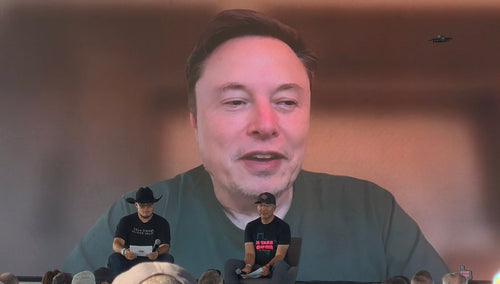
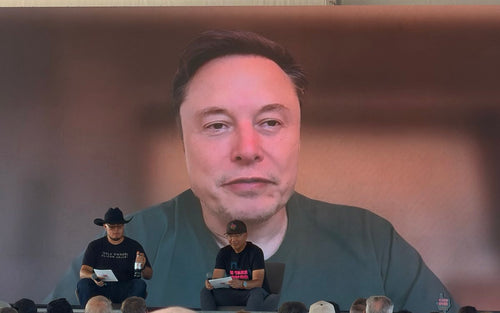
X Takeover was a Tesla fan gathering held at Giga Texas in Austin over the October 9–10 weekend. It drew over 2,000 attendees, many of whom were using the Cybercab robotaxi service to get around the area. The event created a concentrated, real-world demand spike — the kind of scenario that exposes capacity gaps fast.
How did Cybercab wait times actually perform?
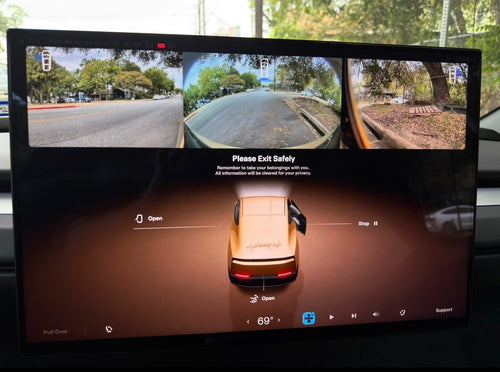
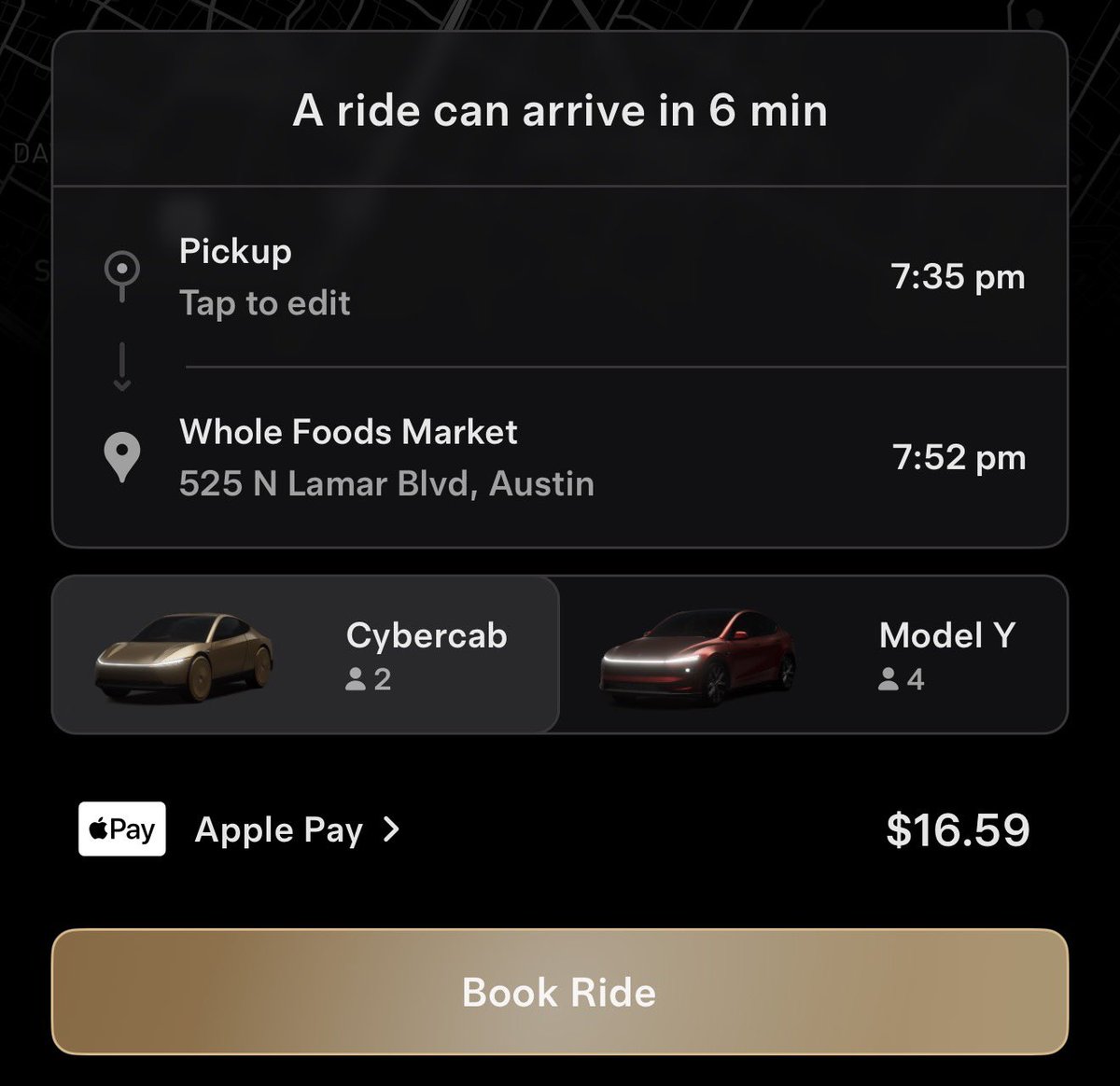
According to Sawyer Merritt, who was on the ground in Austin, wait times stayed very short for the entire weekend — not just during off-peak hours, but through the full duration of the event and into Saturday prime time, even after the crowd from X Takeover dispersed.

Does this tell us anything about fleet size?
It tells us Tesla deployed enough vehicles in Austin to absorb a sudden 2,000-person demand surge without meaningful queuing. That's operationally significant for a service that's still in its early rollout phase. Short wait times under that kind of load suggest either a larger-than-expected fleet is already operating in the city, the routing and dispatch software is handling density well, or both.
Is this a reliable indicator of how the service will scale?
One weekend event isn't a full proof of concept, but it's a meaningful data point. Robotaxi services historically struggle most with unpredictable demand spikes — surge pricing exists on ride-hail platforms precisely because supply can't flex fast enough. The fact that Cybercab didn't visibly buckle here suggests Tesla's operational model in Austin has more headroom than a nascent service typically would. That said, a concentrated group of tech-savvy early adopters in one area isn't the same as city-wide, all-day demand from the general public.
What should prospective Cybercab riders take away from this?
If you're in Austin and have access to the Cybercab service, the early evidence suggests wait times are not the friction point — at least not yet. The more relevant question going forward is how Tesla maintains that efficiency as the service expands geographically and opens to a broader user base beyond the current invite or access window.
🚕 Following the Robotaxi rollout? See every operating city, launch date and announced market in our Tesla Robotaxi Tracker.
Related Gear
Gear up your Tesla with tested, custom-fit BASENOR accessories — shop Tesla accessories →
Sources & reporting notes
The links below identify the material source records used for this report.
- @SawyerMerritt on X (2026-10-11T00:30:20.000Z) — Direct source
Source links are preserved as published or accessed. See our editorial standards and corrections policy.
The BASENOR Editorial Desk covers Tesla, SpaceX, and related technology, curating reporting from primary sources — official accounts, regulatory filings, and software release data. Every article passes source-record and fact-checking review before publication. About the newsroom.
This report was curated by the BASENOR Editorial Desk from the sources listed above. Read our editorial standards or email editorial@basenor.com to report an error.