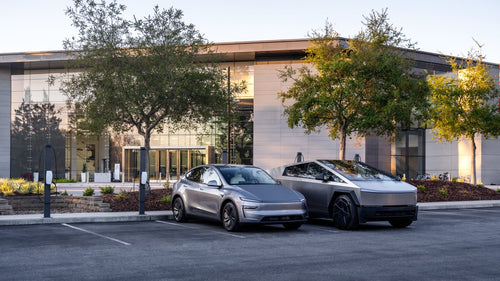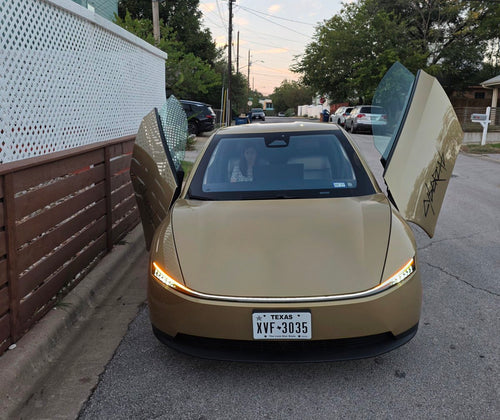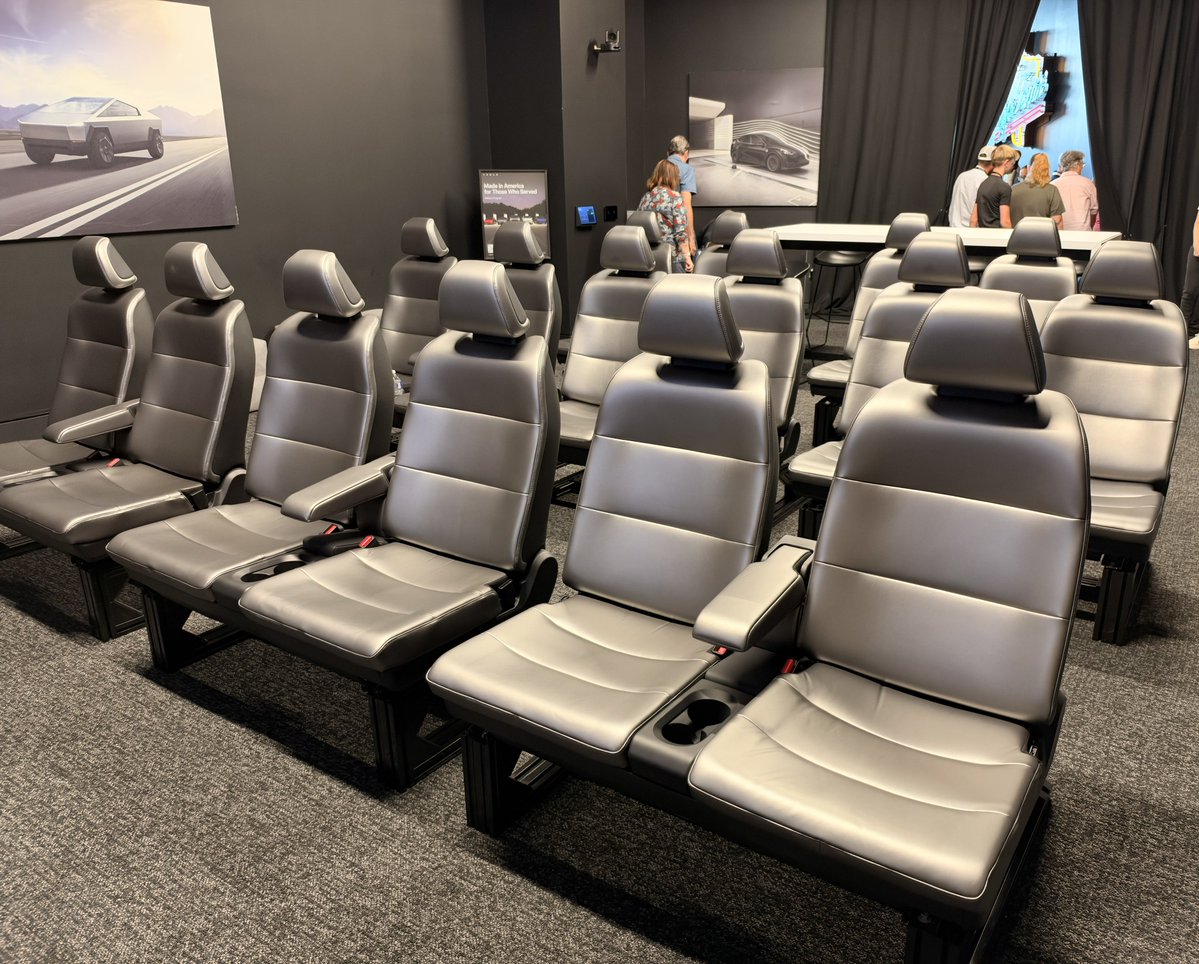
Visitors walking into Tesla's orientation and tour room at Gigafactory Texas are now greeted by something new: rows of Cybercab seats. Sawyer Merritt, who toured the facility on October 9, noted the swap and called them 'very comfortable.' It's a small detail that carries a larger signal about where the Cybercab program stands.

Why are Cybercab seats showing up in a tour room?
Tesla's Giga Texas orientation room is where new employees and facility visitors get their first impression of what the factory produces. Swapping in Cybercab seats as the primary seating is a deliberate choice — it signals that the Cybercab is now the marquee product coming off that floor. The first production unit rolled off the Giga Texas line on February 17, 2026, and paid public rides in Austin launched in September 2026, so the program is well past the prototype stage. Using the seats as functional furniture in a high-traffic room is a confident, very Tesla way of saying: this design is done.
Has the Cybercab interior design actually been finalized?
Yes, by all available evidence. A production-intent Cybercab with revised seats, updated headrests, a new dashboard layout, and ambient lighting was displayed at a Tesla store in San Jose in December 2025. Drone footage from early 2026 confirmed production-ready units at the Giga Texas crash-testing facility matched that interior. The seating now appearing in the tour room is consistent with those same production components — not a concept or pre-production mockup.
What do the seats actually look like — and how spacious is the cabin?
The Cybercab is a two-seat vehicle with no steering wheel, no pedals, no side mirrors, and no rear window — it's designed purely for autonomous passenger transport. According to verified specs, the interior offers 43.4 inches of legroom, 38.3 inches of headroom, 51.8 inches of shoulder room, and 50.1 inches of hip room. Merritt's firsthand note that the seats are 'very comfortable' is the first informal comfort assessment from someone who has sat in the production-spec version in a non-promotional context.
How is Tesla manufacturing these seats at scale?
Giga Texas uses what Tesla calls the 'Unboxed' manufacturing method, where different vehicle sections — including the seat assemblies — are built in parallel rather than sequentially on a traditional line. The seats are completed as a module and then integrated during final assembly. Placing finished seat units in a public-facing room suggests the supply chain for this component is mature enough that units are available beyond strict production quotas.
What does this mean for someone waiting on the Cybercab rollout?
The Cybercab already launched paid rides in Austin in September 2026, so the program is operational. The tour room detail doesn't announce a new milestone on its own, but it does reinforce that Tesla is treating the Cybercab as a production-stable, showcase-worthy product internally — not a vehicle still working through early manufacturing growing pains. For prospective riders or anyone tracking the geographic expansion of the robotaxi service, the confidence implied by this kind of internal display is a reasonable positive signal.
🚕 Following the Robotaxi rollout? See every operating city, launch date and announced market in our Tesla Robotaxi Tracker.
Related Gear
Gear up your Tesla with tested, custom-fit BASENOR accessories — shop Tesla accessories →
Sources & reporting notes
The links below identify the material source records used for this report.
- @SawyerMerritt on X (2026-10-09T19:07:21.000Z) — Direct source
Source links are preserved as published or accessed. See our editorial standards and corrections policy.
The BASENOR Editorial Desk covers Tesla, SpaceX, and related technology, curating reporting from primary sources — official accounts, regulatory filings, and software release data. Every article passes source-record and fact-checking review before publication. About the newsroom.
This report was curated by the BASENOR Editorial Desk from the sources listed above. Read our editorial standards or email editorial@basenor.com to report an error.