

Elon Musk coined a new term on November 28 that captures something he clearly believes is underappreciated: the structural advantage a vertically integrated hardware company holds when it enters a market full of slower, software-first incumbents. His word for it — hyposcalers.

The term is a deliberate inversion of hyperscaler — the label applied to cloud giants like AWS, Google Cloud, and Azure that compete on massive software infrastructure and data center scale. Musk's framing suggests the opposite dynamic: a company that wins not by scaling software layers, but by mastering the physical stack — chips, factories, robots, vehicles — and moving faster than incumbents who can't match that manufacturing depth.
The context matters. Musk's companies are each, in their own way, hardware-first operations competing in arenas where the legacy players are slower to iterate. Tesla builds its own AI training chips, designs its own vehicle computers, and manufactures at a pace that lets it deploy software changes across a fleet of millions within days. That vertical integration is precisely what the Terafab concept Musk outlined earlier this month was pointing toward — the idea that the factory itself becomes a competitive moat, not just the product it produces.
Whether "hyposcalers" enters the broader business lexicon remains to be seen, but the underlying argument is one Musk has been making in various forms for years: in hardware-intensive markets, the company that controls the physical layer sets the pace for everyone else.
Related coverage
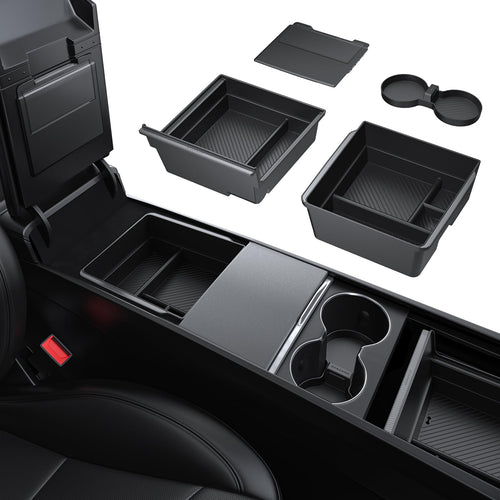
Related Gear
Gear up your Tesla with tested, custom-fit BASENOR accessories — shop Tesla accessories →
Sources & reporting notes
The links below identify the material source records used for this report.
- @elonmusk on X (2026-11-28T07:06:15.000Z) — Direct source
Source links are preserved as published or accessed. See our editorial standards and corrections policy.
The BASENOR Editorial Desk covers Tesla, SpaceX, and related technology, curating reporting from primary sources — official accounts, regulatory filings, and software release data. Every article passes source-record and fact-checking review before publication. About the newsroom.
This report was curated by the BASENOR Editorial Desk from the sources listed above. Read our editorial standards or email editorial@basenor.com to report an error.