⚡ 30-Second Brief
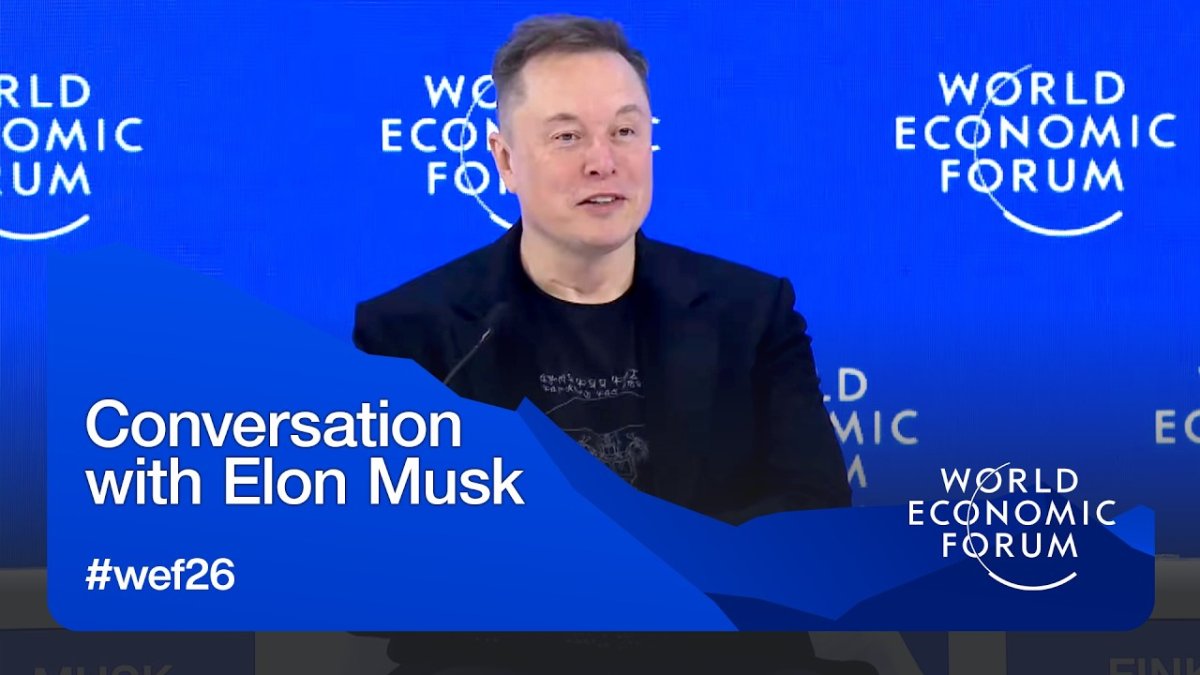
- The News: Elon Musk has reiterated Tesla's dedication to launching Full Self-Driving (FSD) in major international markets, specifically Europe and China.
- Why It Matters: This signals a significant push for FSD's global rollout, potentially unlocking new revenue streams and accelerating autonomous driving adoption beyond North America.
📊 Key Figures
| Metric | Value | Context |
|---|---|---|
| Target Markets | Europe, China | Key regions for global expansion and adoption of FSD. |
🔭 The Basenor Take
- Timeline: In Progress, regulatory hurdles remain significant.
- Impact Level: 🔴 High
What This Means for You: While FSD is still under active development and regulatory review in these regions, Elon's commitment means Tesla is investing heavily in adapting the system for diverse road conditions and legal frameworks. For current owners in these markets, this is a strong indication that advanced self-driving capabilities are on the horizon, potentially enhancing your Tesla's value and driving experience in the future. Expect detailed updates on progress as Tesla navigates local approvals.
🗣️ Community Pulse
Community discussions are still developing around this news, largely focusing on the historical challenges of FSD deployment in Europe due to complex regulatory frameworks. Owners are curious about how Tesla plans to meet differing Level 3 and Level 4 autonomous vehicle standards, with some speculating about temporary exemptions or new legal interpretations. There's a cautious optimism about the potential for FSD to expand beyond its current North American limitations, despite past experiences of FSD features being geographically restricted or requiring constant driver intervention.
📰 Deep Dive
Elon Musk's recent statements underscore Tesla's long-term vision for Full Self-Driving (FSD) as a global product, not just a North American one. The push into Europe and China represents a strategic move to tap into massive automotive markets and cement Tesla's leadership in autonomous technology. However, this expansion is not without significant hurdles. Both Europe and China have distinct and often stringent regulatory environments concerning autonomous vehicles, which differ considerably from the U.S. approach.
In Europe, regulations are more harmonized but still present challenges, particularly around liability, data privacy, and the specific technical requirements for Level 3 and Level 4 autonomous systems. Tesla has reportedly been engaged in extensive discussions with regulators, including potential pathways for temporary exemptions or approvals through national bodies like the Dutch RDW. The core challenge for FSD in Europe is adapting its current 'driver assistance' framework to meet stricter 'automated driving' standards. This could involve significant software modifications and extensive local testing to ensure compliance with diverse road signs, traffic laws, and driving cultures.
China, a critical market for Tesla, offers both immense opportunity and unique regulatory complexities. Data localization, mapping requirements, and specific safety protocols are paramount. Tesla's strategy in China will likely involve deeper collaboration with local authorities and potentially strategic partnerships to navigate the landscape effectively. For current Tesla owners globally, Musk's renewed focus suggests that the FSD development roadmap is increasingly geared towards international compatibility, promising a more feature-rich and legally compliant system for a wider audience in the coming years.
Related Gear
Gear up your Tesla with tested, custom-fit BASENOR accessories — shop Tesla accessories →
Sources & reporting notes
This article does not include retained source links. Our editorial standards and corrections policy, linked below, explain how BASENOR sources its reporting and how to request a correction.
Source links are preserved as published or accessed. See our editorial standards and corrections policy.
The BASENOR Editorial Desk covers Tesla, SpaceX, and related technology, curating reporting from primary sources — official accounts, regulatory filings, and software release data. Every article passes source-record and fact-checking review before publication. About the newsroom.
This report was curated by the BASENOR Editorial Desk from the sources listed above. Read our editorial standards or email editorial@basenor.com to report an error.