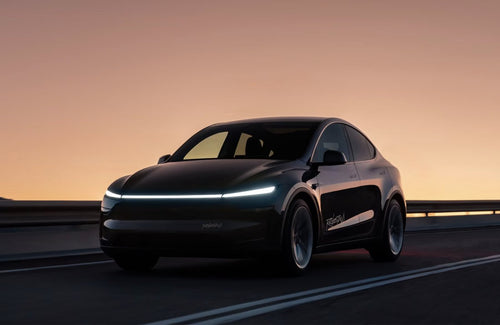
The News: Elon Musk personally drove the Tesla Semi and described it as feeling like a sports car — a striking claim for a Class 8 truck now entering mass production.
Why It Matters: The Semi just hit mass production in April 2026. Musk's firsthand endorsement — paired with real-world specs — signals this isn't just a fleet truck. It's a performance statement.
Source: @elonmusk on X
Elon Musk Says Tesla Semi Feels Like a Sports Car to Drive
When the CEO of Tesla hops into a 40-ton Class 8 truck and comes away comparing it to a sports car, that's worth paying attention to. Elon Musk posted his firsthand impression of the Tesla Semi early Sunday morning — and at 1.38 million views in under an hour, the trucking world is clearly listening.

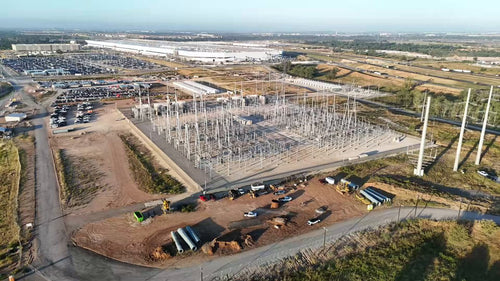
This isn't the first time Musk has praised the Semi's driving dynamics — he's previously called it "super fun to drive" and "clean, cool & fun." But the timing of this latest comment matters: the Tesla Semi officially entered mass production in April 2026 at a dedicated factory adjacent to Gigafactory Nevada. This is no longer a prototype. These trucks are shipping.
Why a Class 8 Truck Can Feel Like a Sports Car
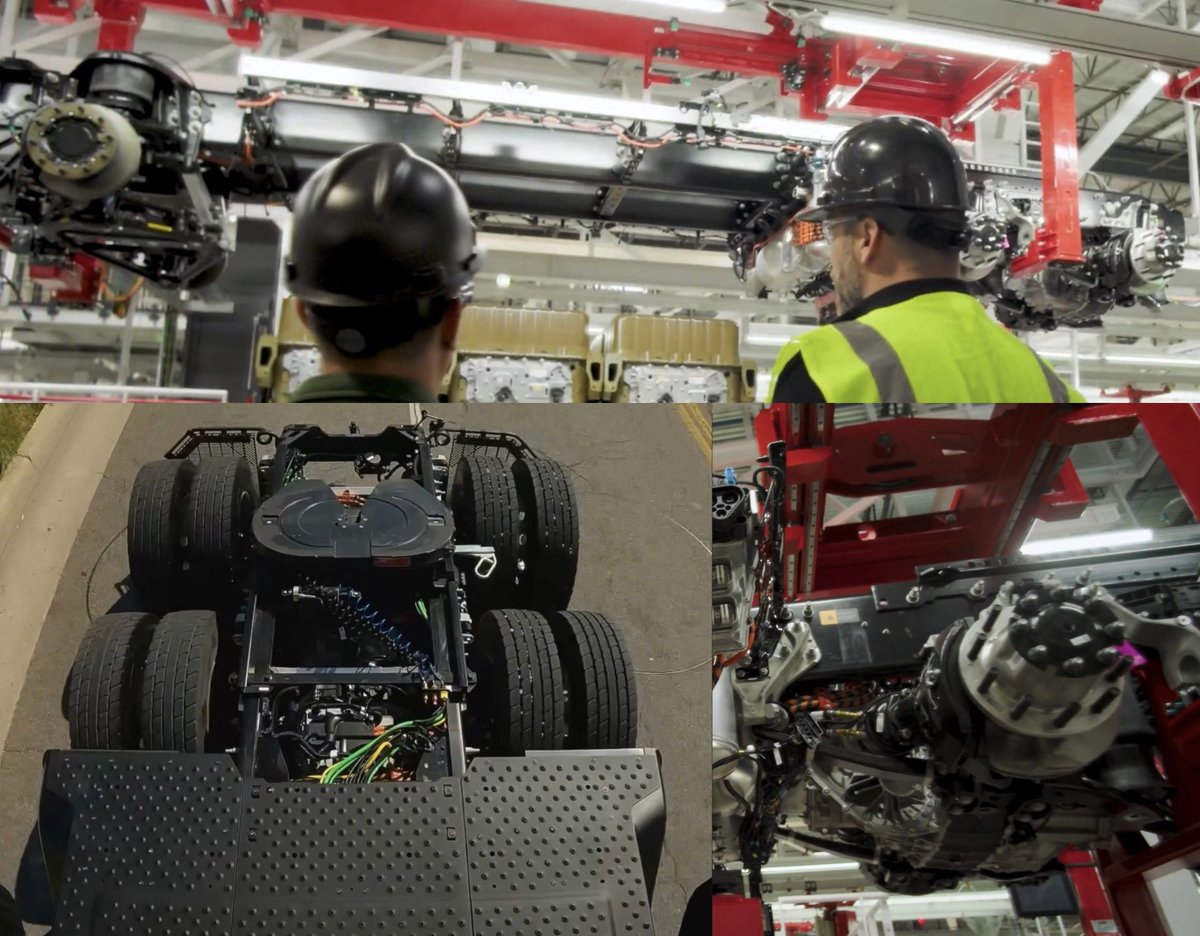
The "sports car" comparison sounds like marketing hyperbole until you look at what's actually under the cab. The Tesla Semi runs three independent electric motors on the rear axles, producing up to 800 kilowatts — that's 1,072 horsepower. Even at a full gross combination weight of 82,000 pounds, the truck accelerates from 0 to 100 km/h in just 20 seconds. For context: a loaded diesel semi typically takes 60+ seconds to reach highway speed.
The instant torque delivery of electric motors is the key factor here. There's no gear hunting, no turbo lag, no powertrain shudder at low speeds. Drivers who've tested the Semi consistently describe the throttle response as immediate and linear — qualities you'd associate with performance cars, not freight haulers.
The low center of gravity helps too. The Semi's structural battery pack — using 4680-form-factor cells arranged in a compact vertical layout, similar to the Cybertruck's architecture — sits beneath the cab floor. That weight placement fundamentally changes how a truck this size handles corners and lane changes.
📊 Key Figures
Tesla Semi — Production Specs at a Glance
| Metric | Standard Range | Long Range |
|---|---|---|
| Range (at 82,000 lb GCW) | ~325 miles | ~500 miles |
| Drive Power | 800 kW (1,072 hp) | |
| 0–100 km/h (full load) | 20 seconds | |
| Energy Consumption | 1.7 kWh/mile | |
| Peak Charging Speed | 1.2 MW (Megacharger) | |
| Charge to 60% Range | ~30 minutes | |
| Long Range Price | ~$290,000 | |
| 2026 Delivery Target | 5,000–15,000 units | |
Mass Production Is Real — And Fleets Are Already Moving
DHL has already taken delivery of its first Tesla Semis, operating them in California. That's not a pilot program or a press event — that's commercial freight moving on public roads in production trucks. With a stated long-term factory capacity of 50,000 trucks per year and 2026 deliveries projected between 5,000 and 15,000 units, the Semi is transitioning from engineering achievement to logistics reality.
The updated design unveiled in 2025 brought a revised chassis, new headlights, and a more aerodynamic profile. Both variants include Electric Power Take Off (ePTO) up to 25 kW, which lets fleets power refrigeration units, lift gates, and auxiliary equipment directly from the truck's battery — eliminating the diesel APU that's standard on conventional semis.
🔭 The BASENOR Take
Timeline: Semi entered mass production April 2026. Commercial deliveries (DHL) already underway.
Impact Level: 🟠 High — first credible electric alternative to diesel Class 8 at scale
Confidence: 🟢 High — specs confirmed by Tesla, deliveries independently verified
Musk's "sports car" comment is a headline, but the real story is simpler and more significant: the Tesla Semi is now a production vehicle with real customers, real routes, and real data accumulating every day. The performance characteristics he's describing aren't marketing — they're a byproduct of electric drivetrain physics that every fleet operator will feel the moment they pull out of a truck stop.
The charging infrastructure question remains the most legitimate friction point. At $290,000 for the Long Range version, fleets need Megacharger access at their depots and along their routes to make the economics work. Tesla's Megacharger network is expanding alongside Semi deliveries, but it's not yet the ubiquitous presence that diesel pump infrastructure represents.
What's increasingly hard to argue with: a truck that does 500 miles on a charge at full load, recovers 60% of that range in 30 minutes, eliminates diesel fuel costs, and — apparently — makes the driver feel like they're behind the wheel of a sports car. That combination is going to be very difficult for traditional OEMs to answer in the near term.
Related Gear
Gear up your Tesla with tested, custom-fit BASENOR accessories — shop Tesla accessories →
Sources & reporting notes
The links below identify the material source records used for this report.
- @elonmusk on X (2026-04-12T01:10:44.000Z) — Direct source
Source links are preserved as published or accessed. See our editorial standards and corrections policy.
The BASENOR Editorial Desk covers Tesla, SpaceX, and related technology, curating reporting from primary sources — official accounts, regulatory filings, and software release data. Every article passes source-record and fact-checking review before publication. About the newsroom.
This report was curated by the BASENOR Editorial Desk from the sources listed above. Read our editorial standards or email editorial@basenor.com to report an error.