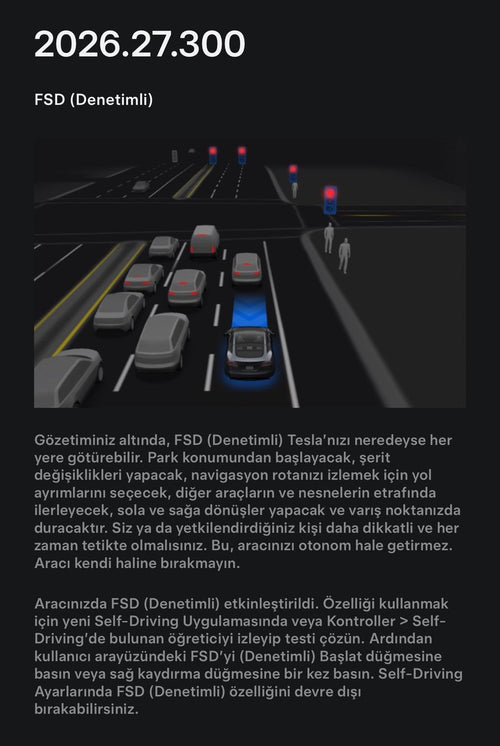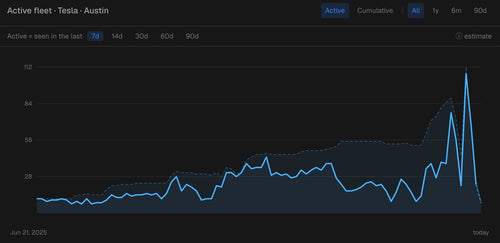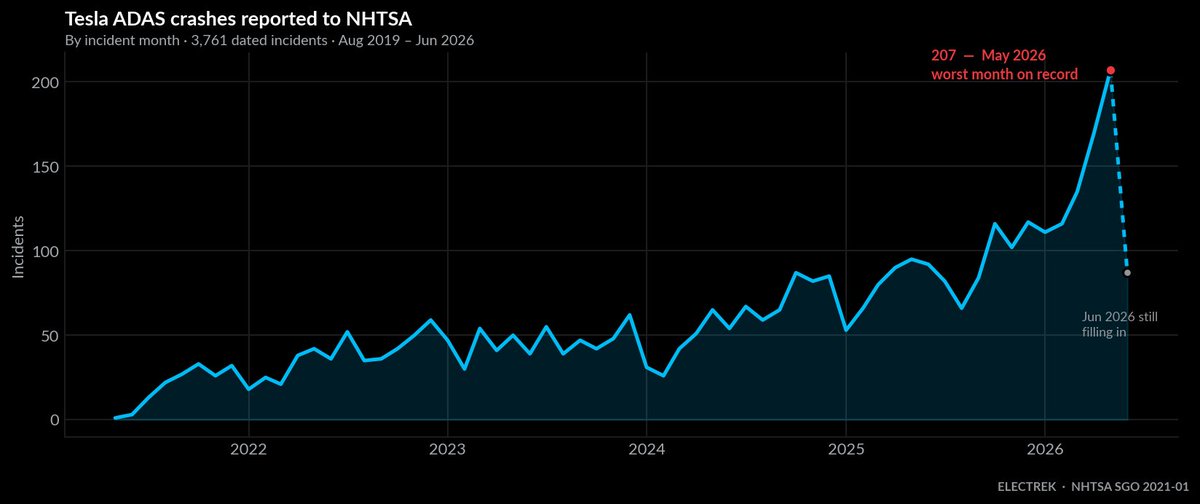
Tesla's FSD v14 has earned genuine praise from longtime observers — but a troubling pattern is emerging alongside the improved performance. According to Fred Lambert of Electrek, Autopilot and FSD-related crashes are spiking to record highs even as the technology gets better. The likely culprit: driver complacency. The smoother the system drives, the easier it becomes to mentally check out — and that's when things go wrong.

Why Better Tech Can Create Worse Outcomes
This is a well-documented phenomenon in aviation and autonomous vehicle research: as automated systems become more reliable, human operators become less vigilant. With FSD v14 handling lane changes, intersections, and highway merges with noticeably more confidence than earlier versions, it's natural — and dangerous — for drivers to start treating it like a finished product.
It isn't. Tesla's own language still classifies FSD as a driver assistance system requiring active supervision. The steering wheel nag, the camera monitoring, the takeover prompts — they exist precisely because the system is not designed to operate without an engaged human behind the wheel. Record crash numbers while the tech improves is a signal that the human side of the equation is breaking down, not the software side.
What You Should Actually Do Right Now
If you use FSD or Autopilot regularly, these aren't abstract safety tips — they're the specific behaviors that separate engaged supervision from passive riding.
- Keep both hands near the wheel at all times. Not resting on your lap, not holding your phone. FSD v14 can and does encounter edge cases — construction zones, unexpected debris, unusual intersection geometry — where it needs an immediate human correction. Your reaction time from a relaxed position is too slow.
- Watch the road, not the instrument cluster. It's tempting to monitor what the car is seeing on the visualization screen. Resist it. Your eyes belong on the actual road ahead, where you can catch what the system might miss before it becomes a problem.
- Treat every FSD handoff request as urgent. When the car asks you to take over, it has already identified a situation it's not confident handling. Don't wait to see what happens — take the wheel immediately.
- Re-engage mentally on long highway stretches. Monotonous driving is where complacency sets in hardest. If you've been on a straight highway for 20+ minutes with FSD active and no interventions, consciously reset your attention. Scan mirrors, check your following distance, reaffirm where you are.
- Audit your own habits honestly. Have you looked at your phone while FSD was active in the last week? Have you let your eyes drift to a passenger conversation for more than a few seconds? If yes, you're already in the complacency zone Lambert is describing.
The Mileage Factor — and Why It Doesn't Fully Explain This
Lambert acknowledges that rising total FSD mileage across the fleet will naturally produce more incidents in raw numbers. More miles driven equals more exposure to risk. That's a fair statistical caveat. But his point — and it's worth taking seriously — is that the crash rate appears to be climbing beyond what mileage growth alone would predict. The technology improving and crashes rising simultaneously is the warning sign. If FSD were truly safer in practice, you'd expect the rate to fall even as total miles increase.
Until Tesla publishes more granular data on incidents per million miles broken down by FSD version, the picture remains incomplete. But the directional signal from Lambert's reporting is clear enough to act on now.
FSD v14 is genuinely impressive technology. That's exactly why this moment calls for more driver attention, not less.
Related Gear
Gear up your Tesla with tested, custom-fit BASENOR accessories — shop Tesla accessories →
Sources & reporting notes
The links below identify the material source records used for this report.
- @FredLambert on X (2026-07-22T17:08:06.000Z) — Direct source
Source links are preserved as published or accessed. See our editorial standards and corrections policy.
The BASENOR Editorial Desk covers Tesla, SpaceX, and related technology, curating reporting from primary sources — official accounts, regulatory filings, and software release data. Every article passes source-record and fact-checking review before publication. About the newsroom.
This report was curated by the BASENOR Editorial Desk from the sources listed above. Read our editorial standards or email editorial@basenor.com to report an error.